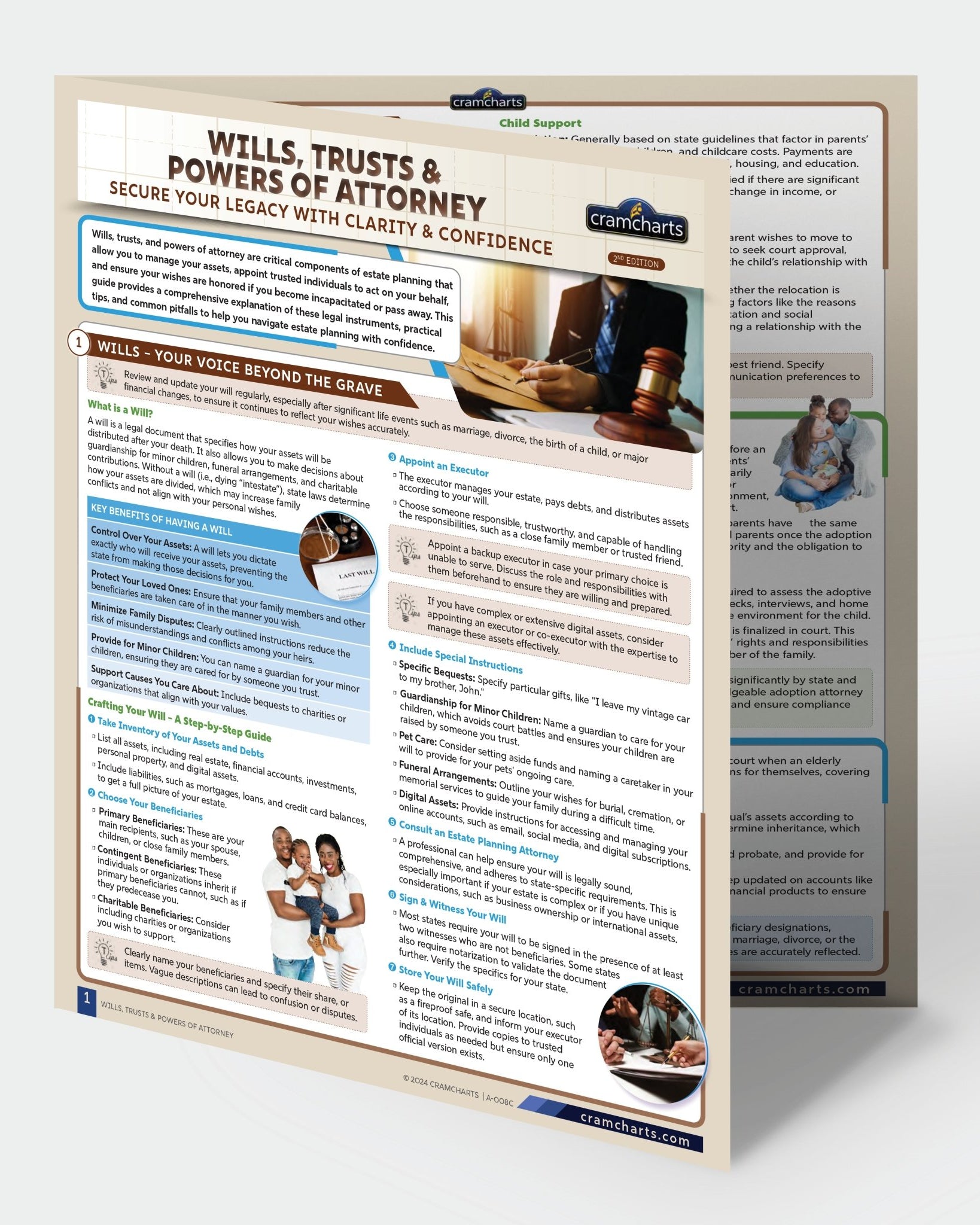


Planning for medical emergencies is something most people avoid but it’s one of the most important decisions you can make.
A common question people ask is:
What is the difference between a living will vs power of attorney?
While both documents deal with healthcare decisions, they serve different roles. Understanding how they work can help you protect your wishes and reduce stress for your loved ones.
This guide breaks it down simply and shows how you can take action using ready-to-use legal documents from Cramcharts.
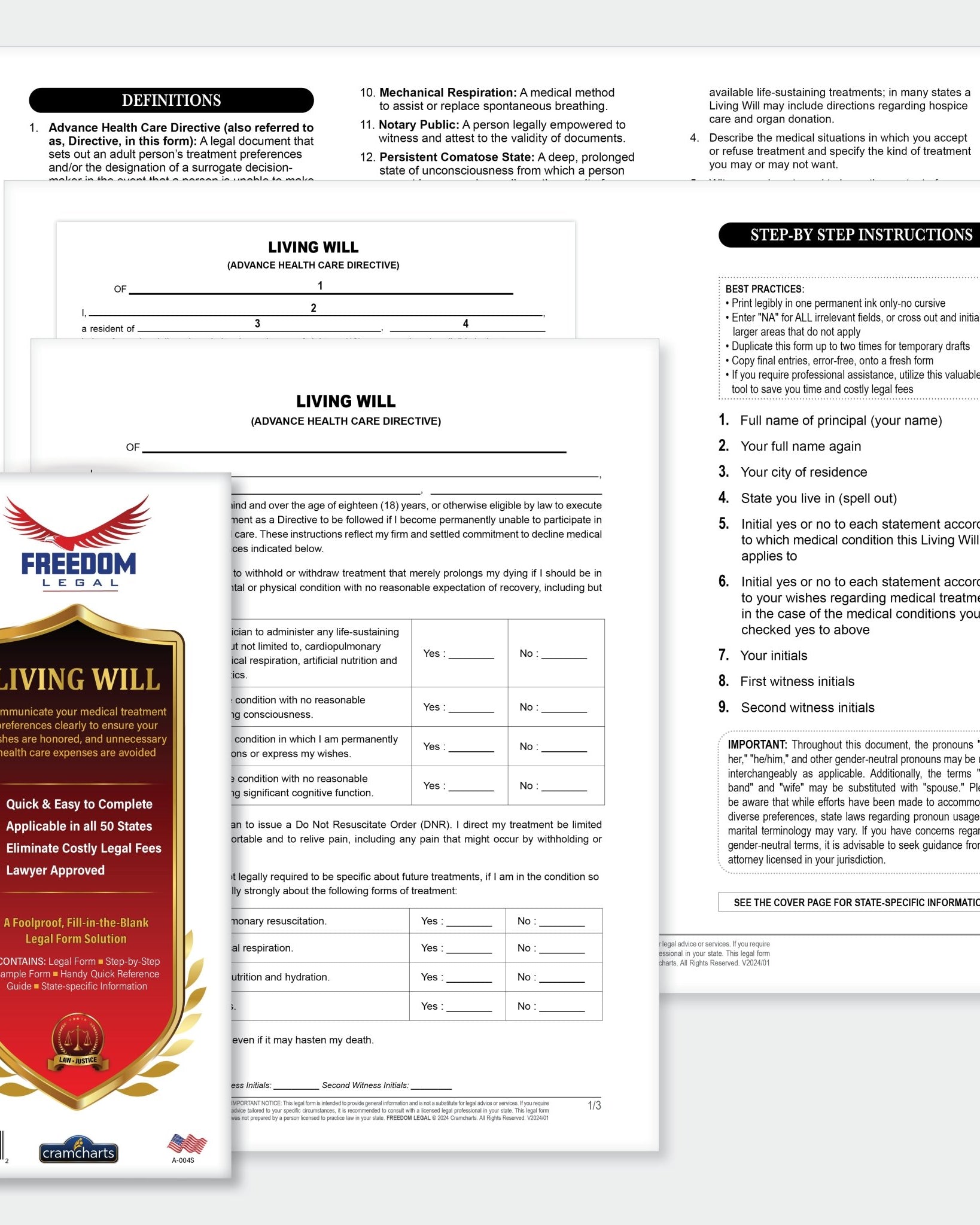
What Is a Living Will?
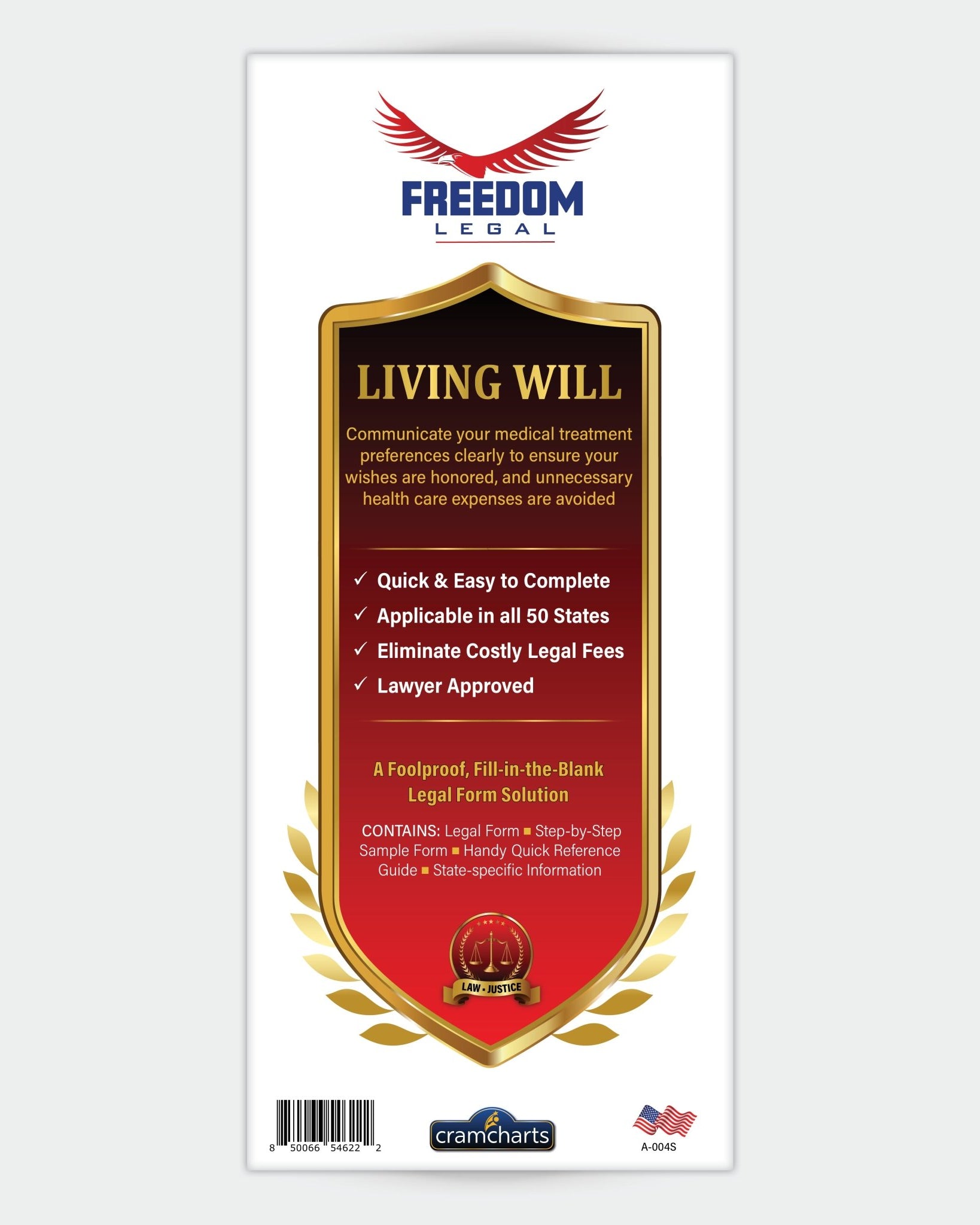
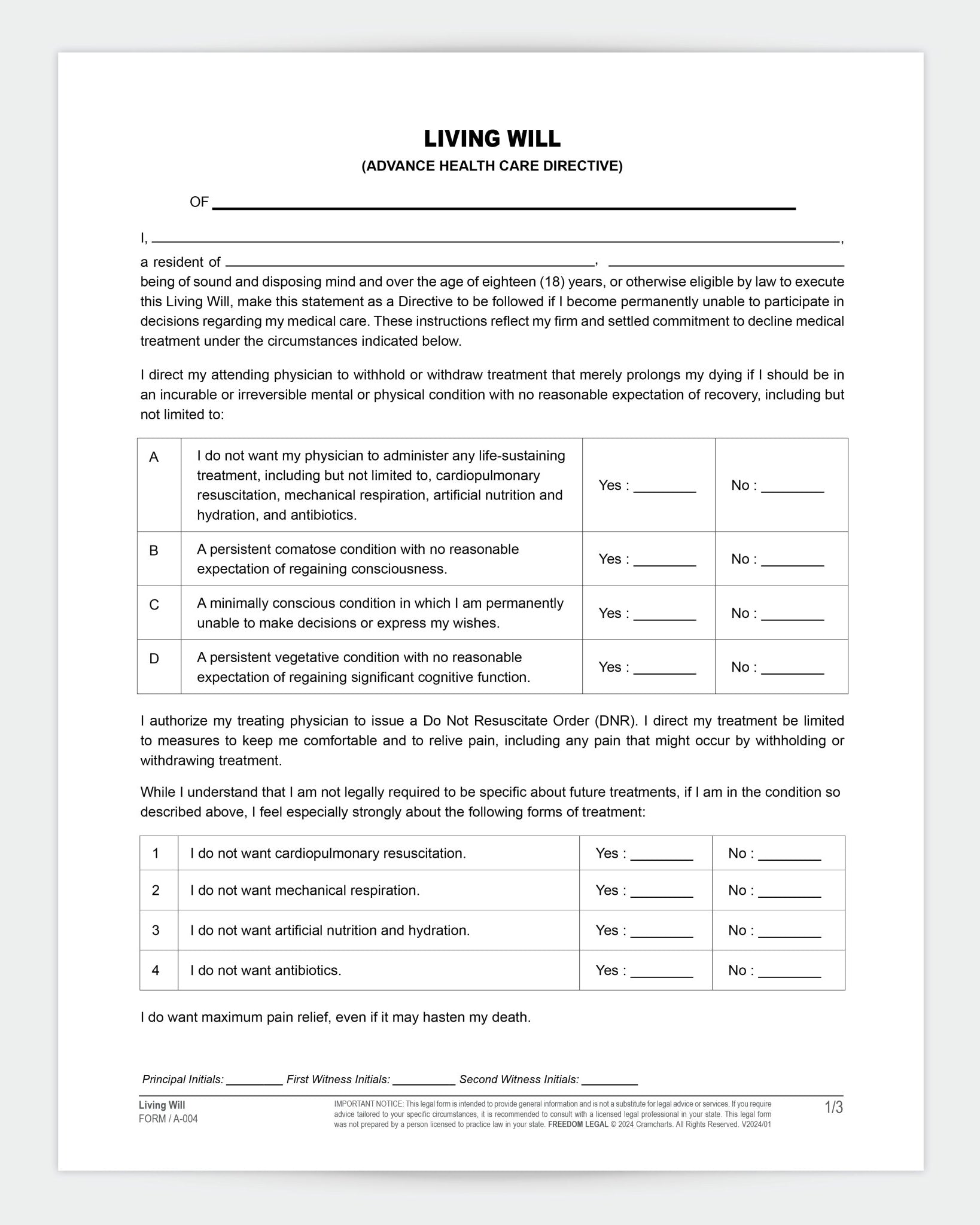
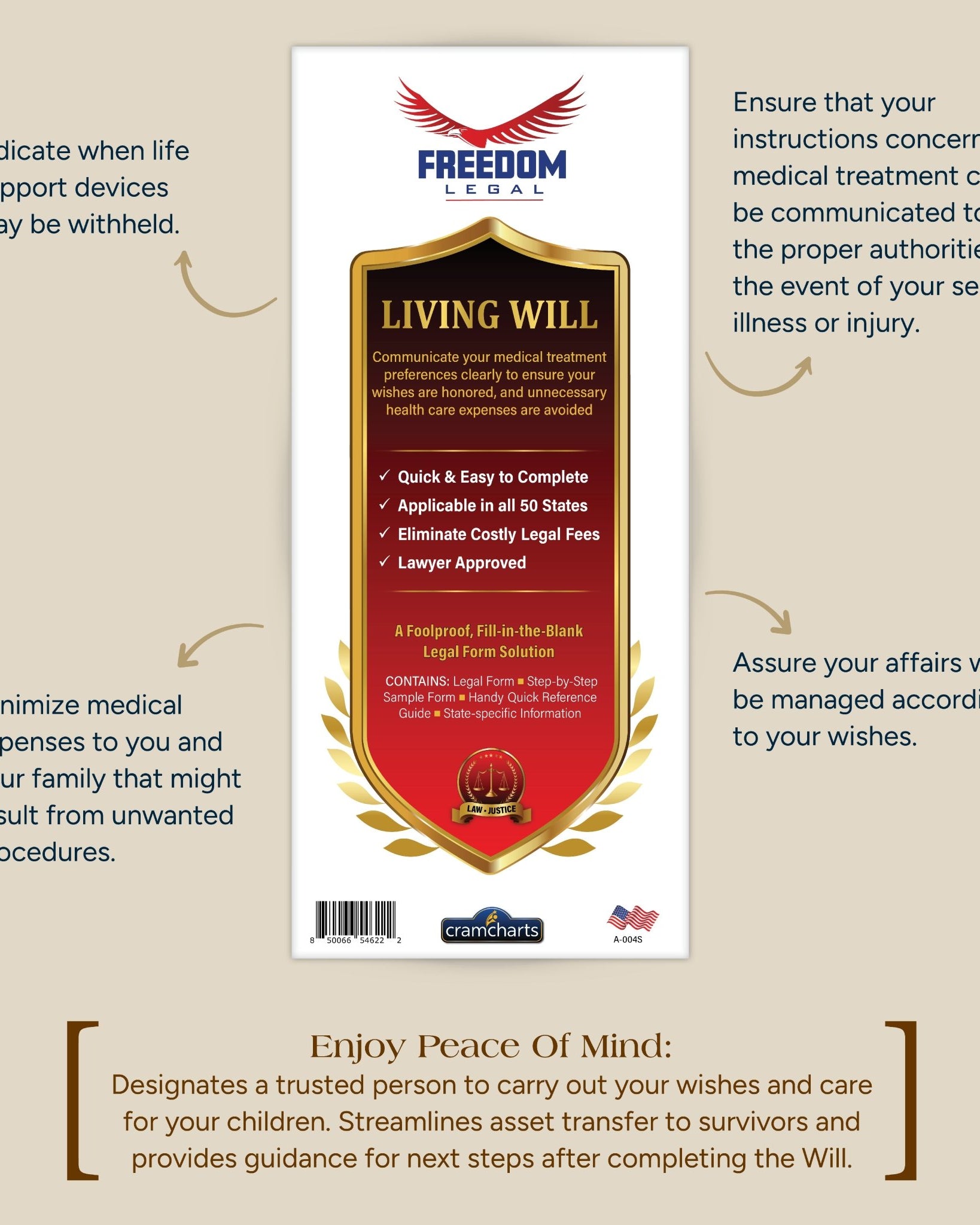
A living will is a legal document that outlines your medical treatment preferences if you become unable to communicate.
It Covers:
-
Life-support decisions
-
Use of ventilators or feeding tubes
-
End-of-life care preferences
Example:
If you are unconscious and cannot express your wishes, your living will ensures doctors follow your instructions.
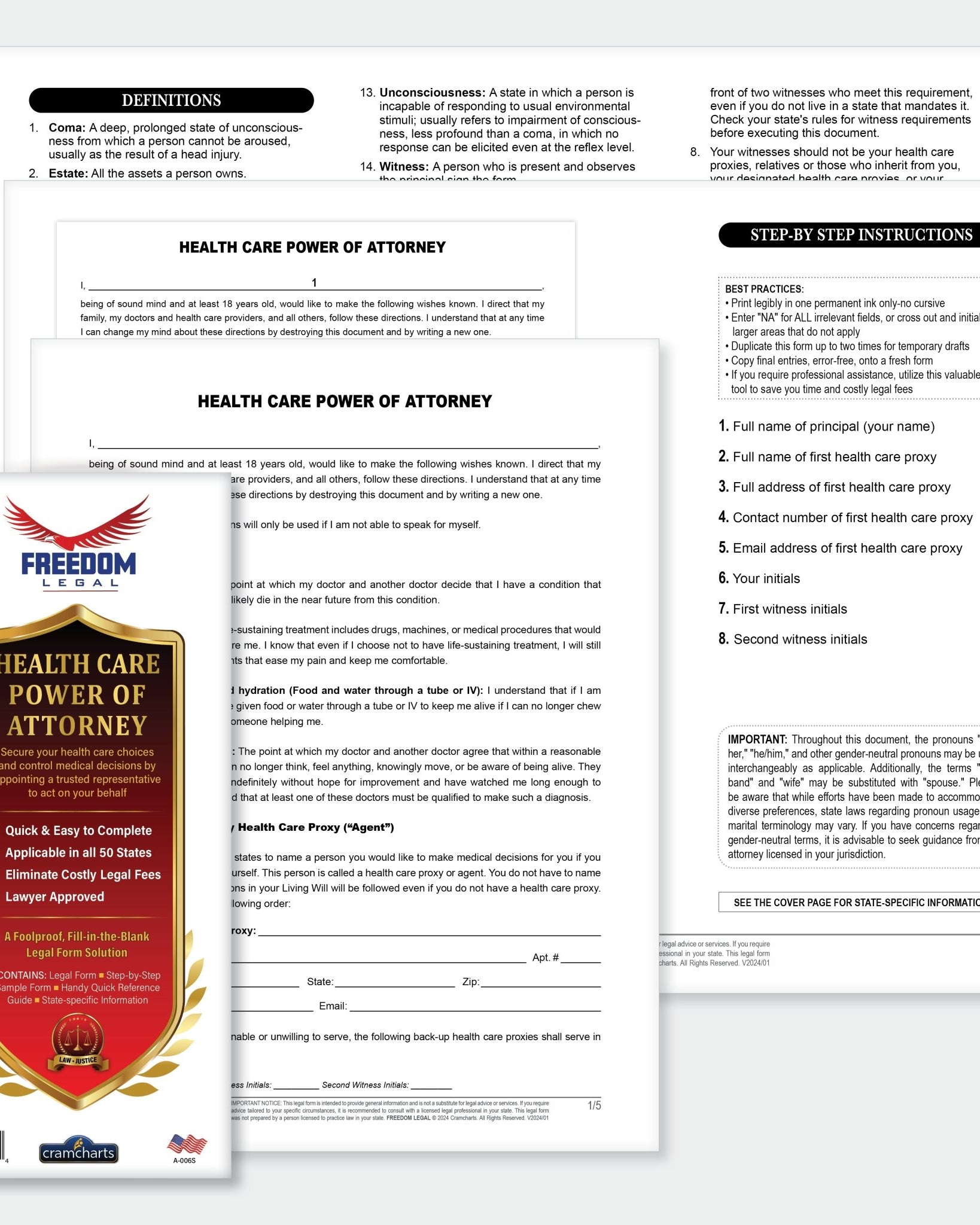
What Is a Healthcare Power of Attorney?
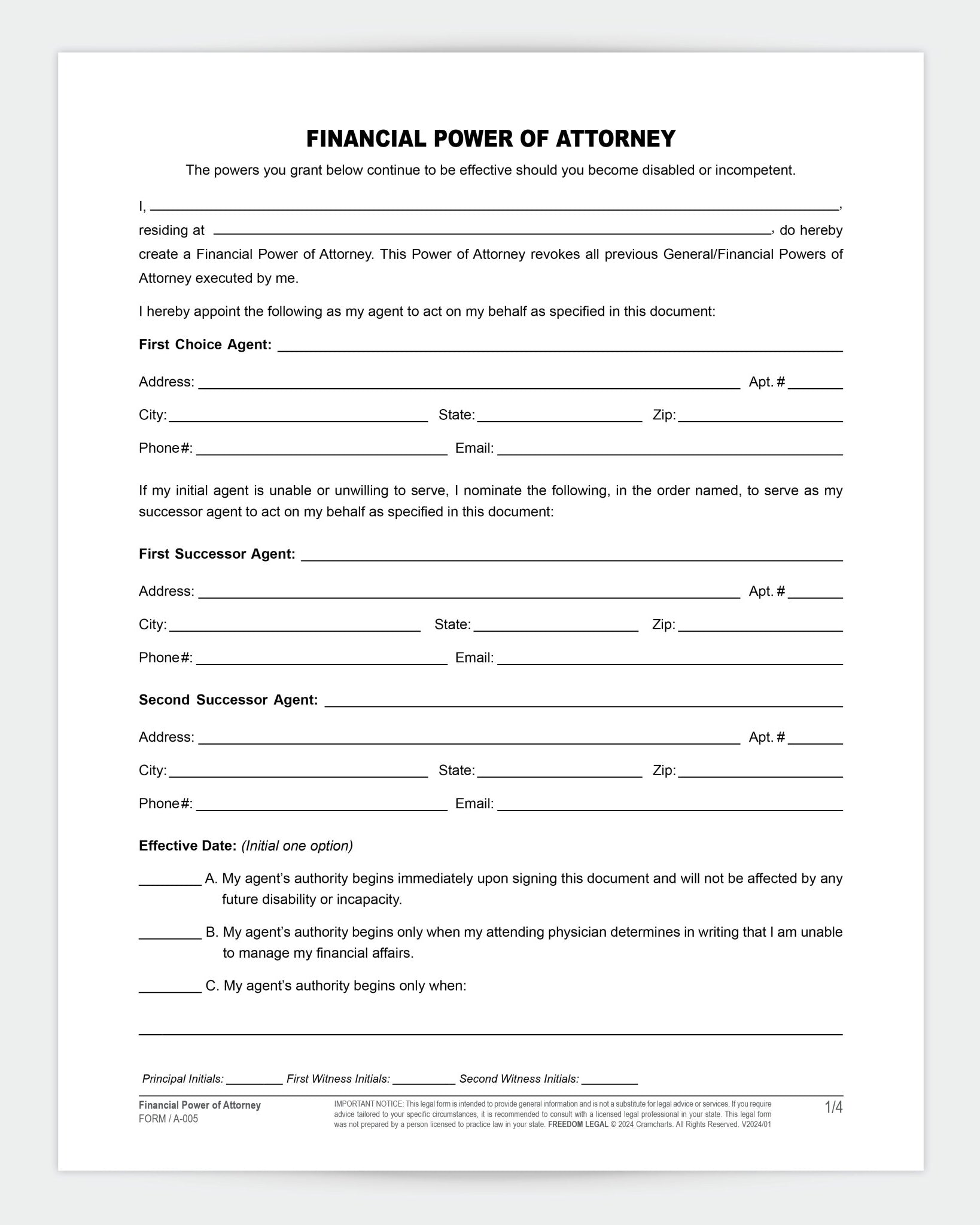
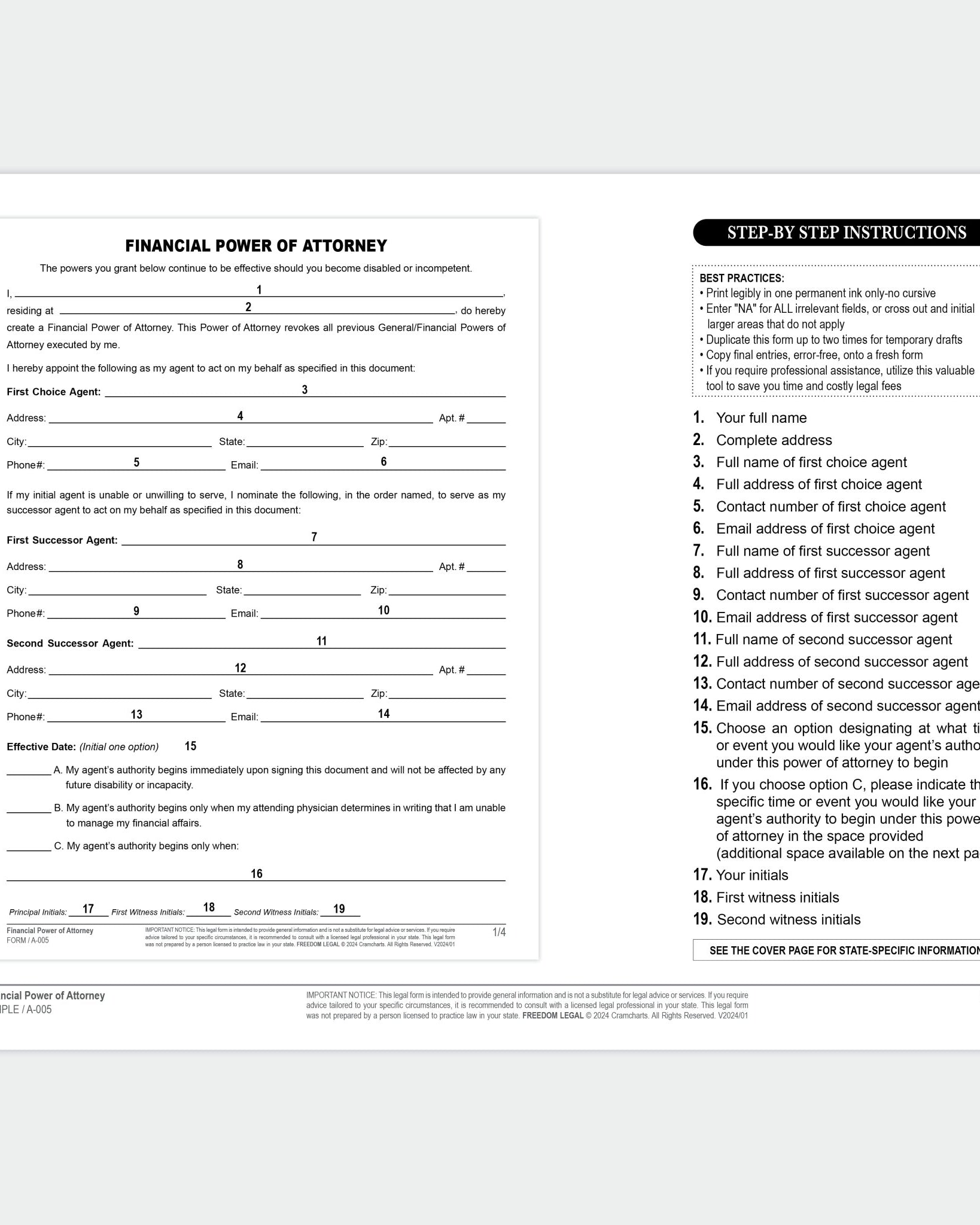
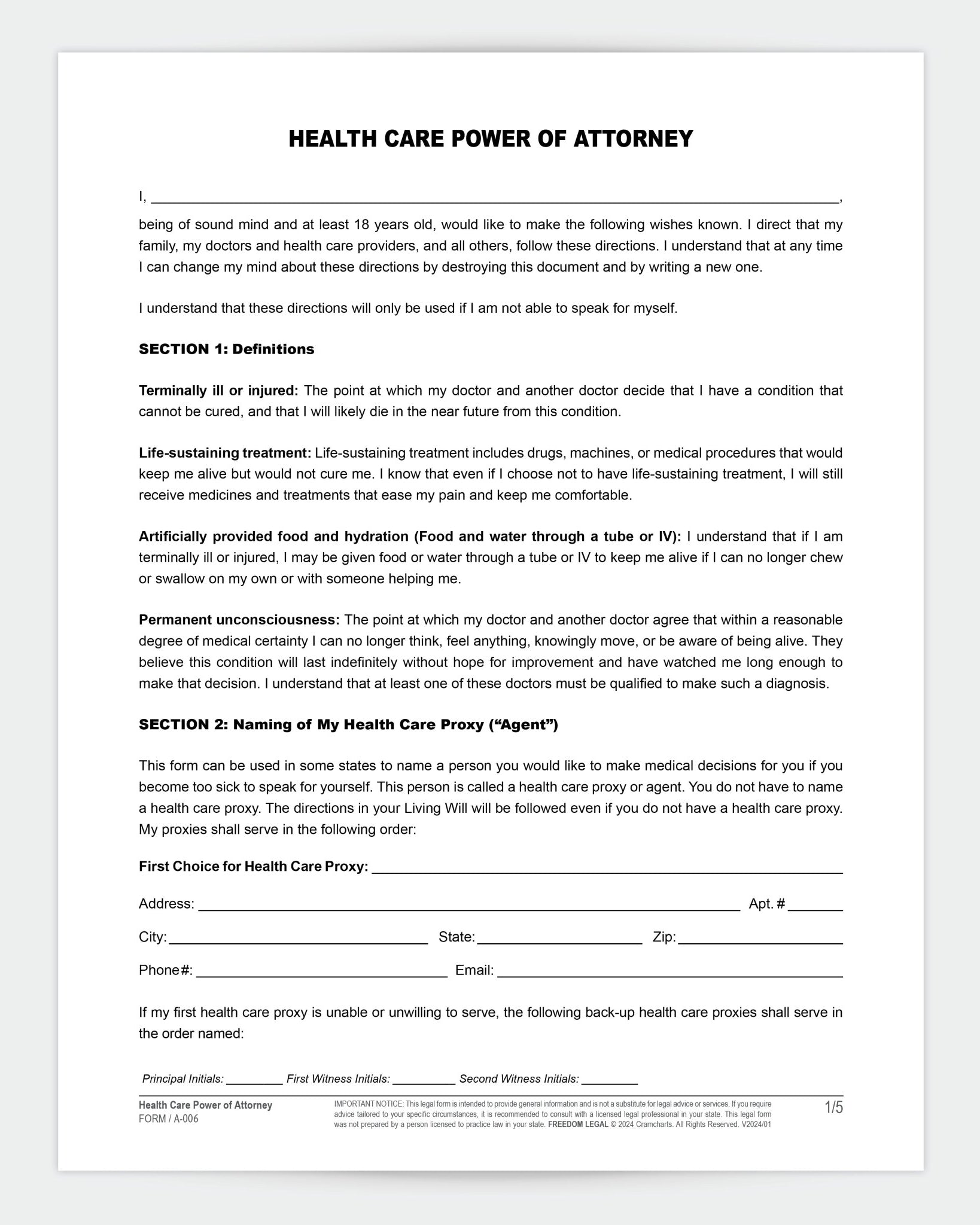
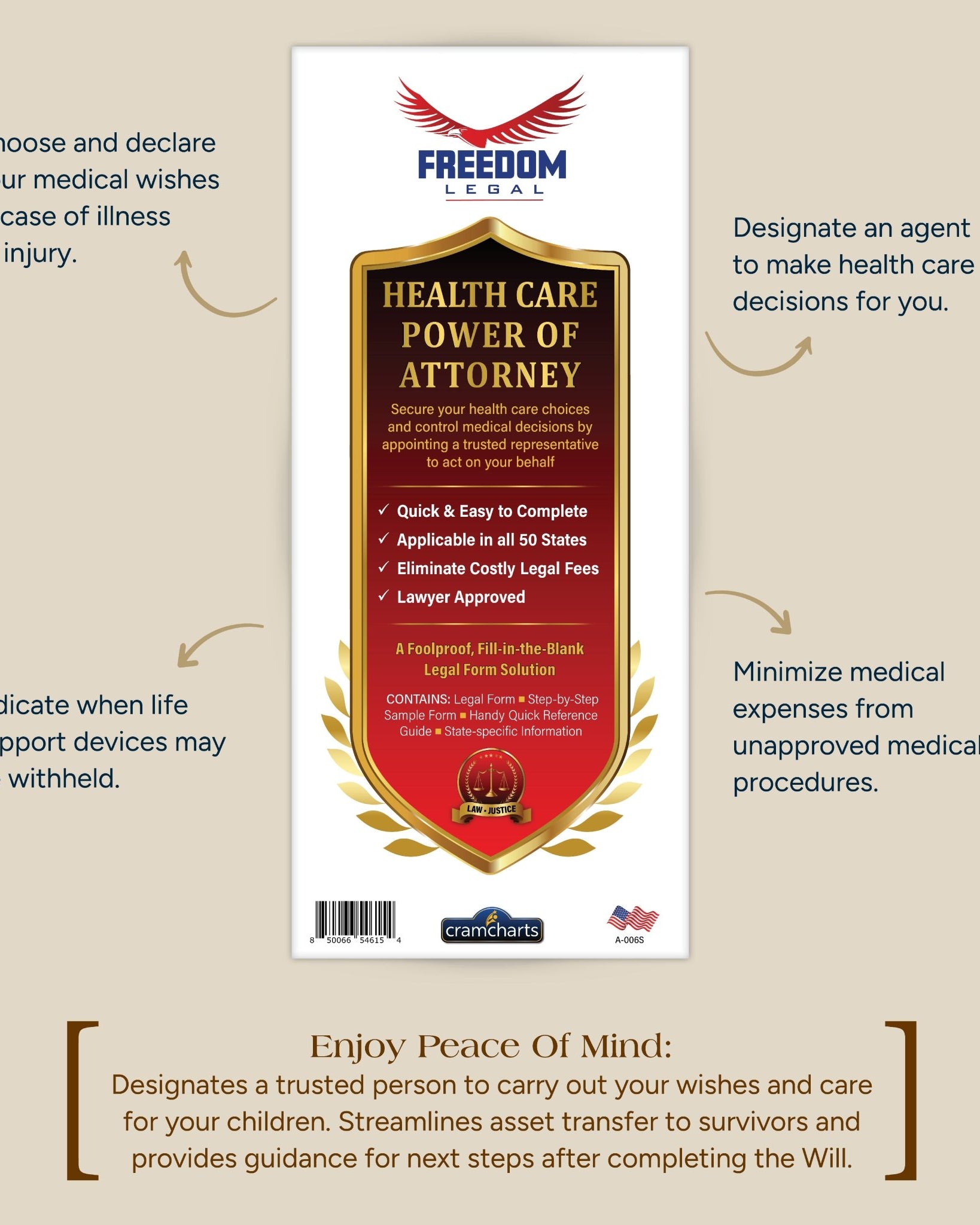
A healthcare power of attorney is a legal document that allows you to appoint someone to make medical decisions on your behalf.
It Covers:
-
Assigning a trusted decision-maker
-
Allowing someone to speak to doctors for you
-
Making real-time medical decisions
Example:
If your condition changes unexpectedly, your appointed person can make decisions based on your best interests.
Living Will vs Power of Attorney: Key Differences
Understanding living will vs power of attorney is essential for complete healthcare planning.
1. Decision Type
-
Living Will: Written instructions for specific medical treatments
-
Power of Attorney: A person makes decisions for you
2. Flexibility
-
Living Will: Fixed instructions
-
Power of Attorney: Flexible, situation-based decisions
3. Control
-
Living Will: You decide in advance
-
Power of Attorney: Your chosen person decides when needed
4. Use Case
-
Living Will: End-of-life or predefined scenarios
-
Power of Attorney: Unexpected or complex situations
Do You Need Both?
Yes and this is where many people get confused.
Choosing between living will vs power of attorney is not about picking one it’s about using both together.
Why Both Matter:
-
A living will gives clear instructions
-
A power of attorney handles situations not covered in the document
Without Them:
-
Doctors may make decisions without knowing your wishes
-
Family members may disagree or feel burdened
With Both:
-
Your preferences are respected
-
Decisions are handled smoothly
-
Your family avoids confusion
Common Mistakes People Make
Many individuals delay or avoid these documents due to:
-
Confusion about legal terms
-
Assuming one document is enough
-
Lack of time to research
-
Fear of making mistakes
This often leads to unprepared situations during emergencies.
How Cramcharts Helps You Take Action Easily
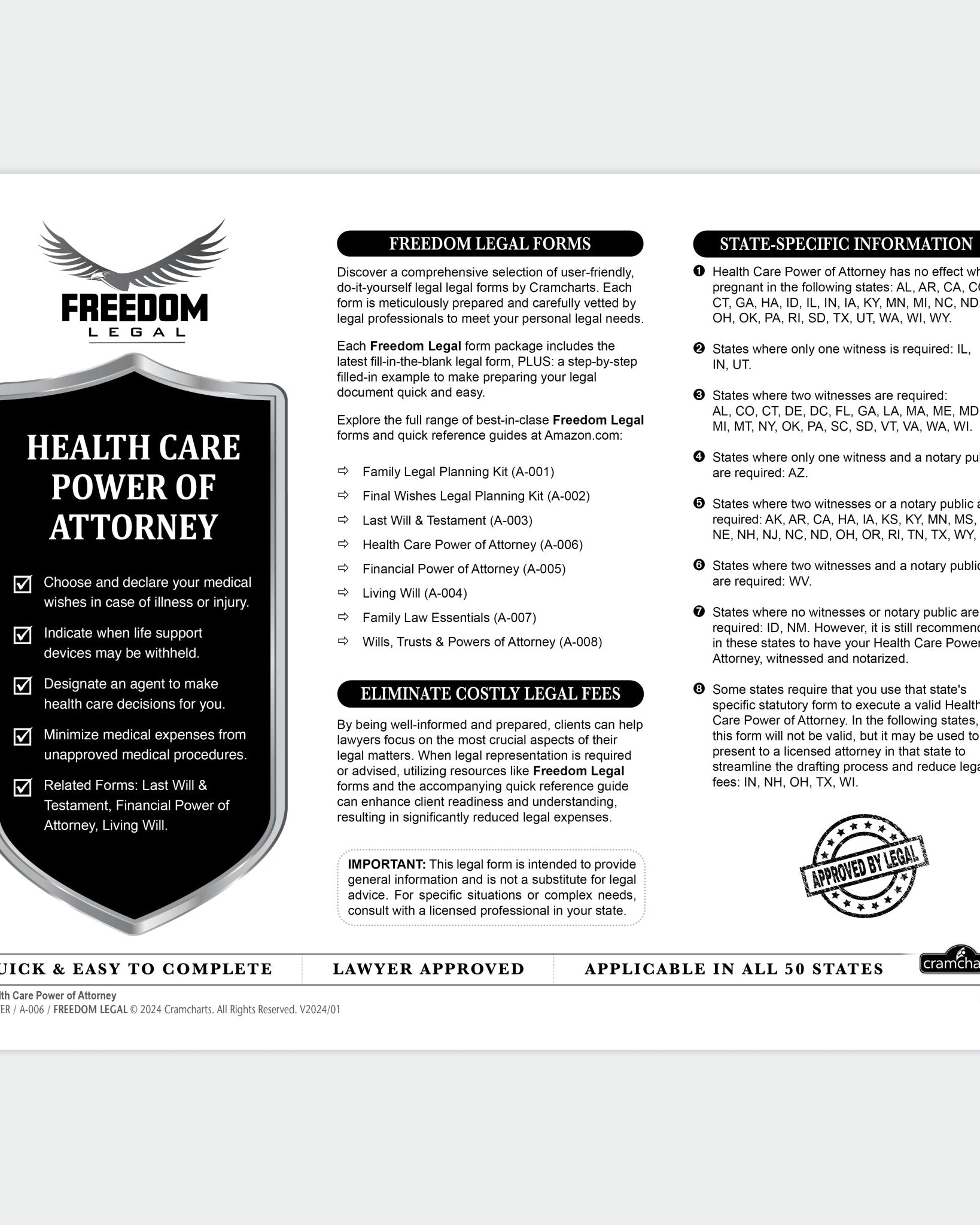
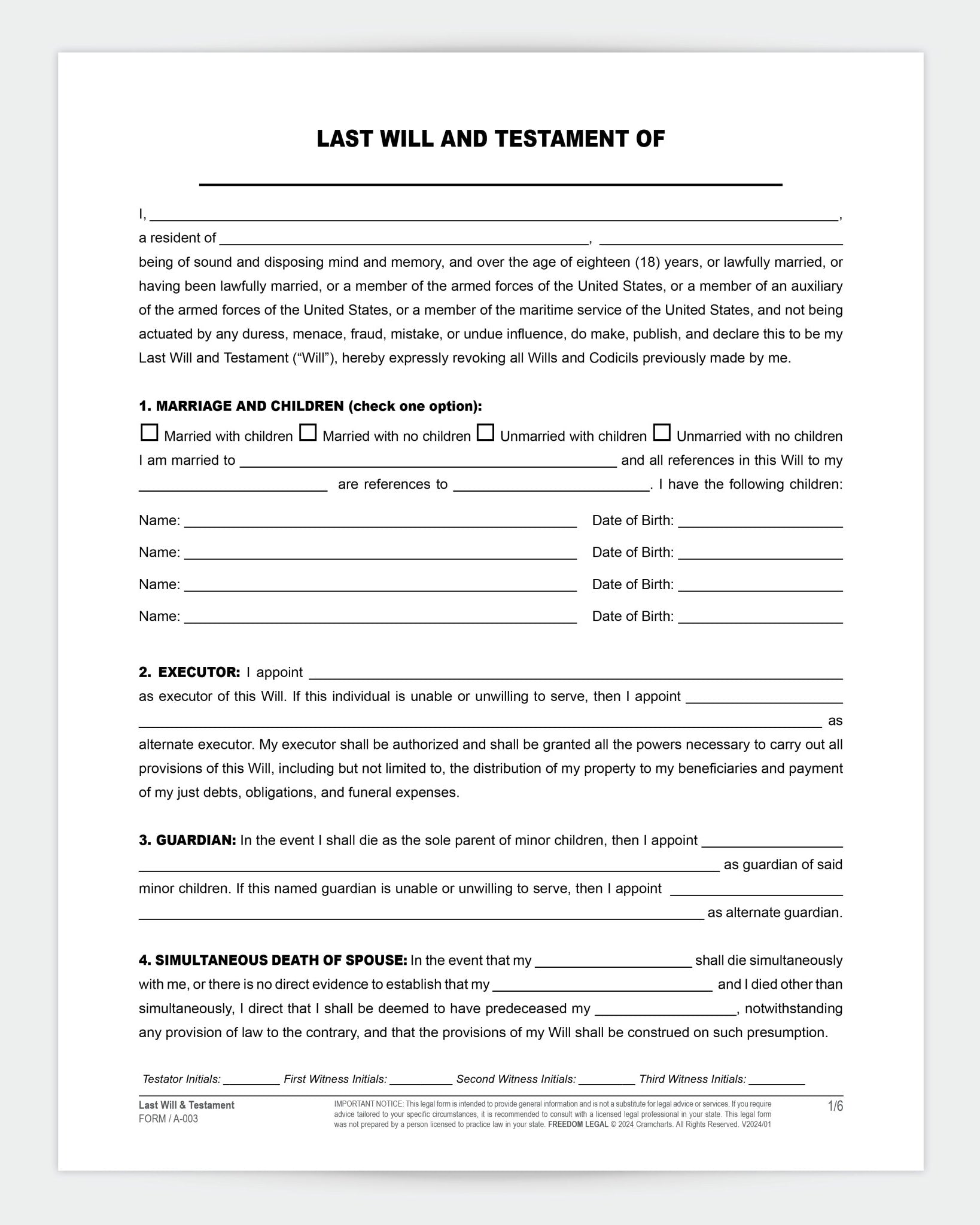
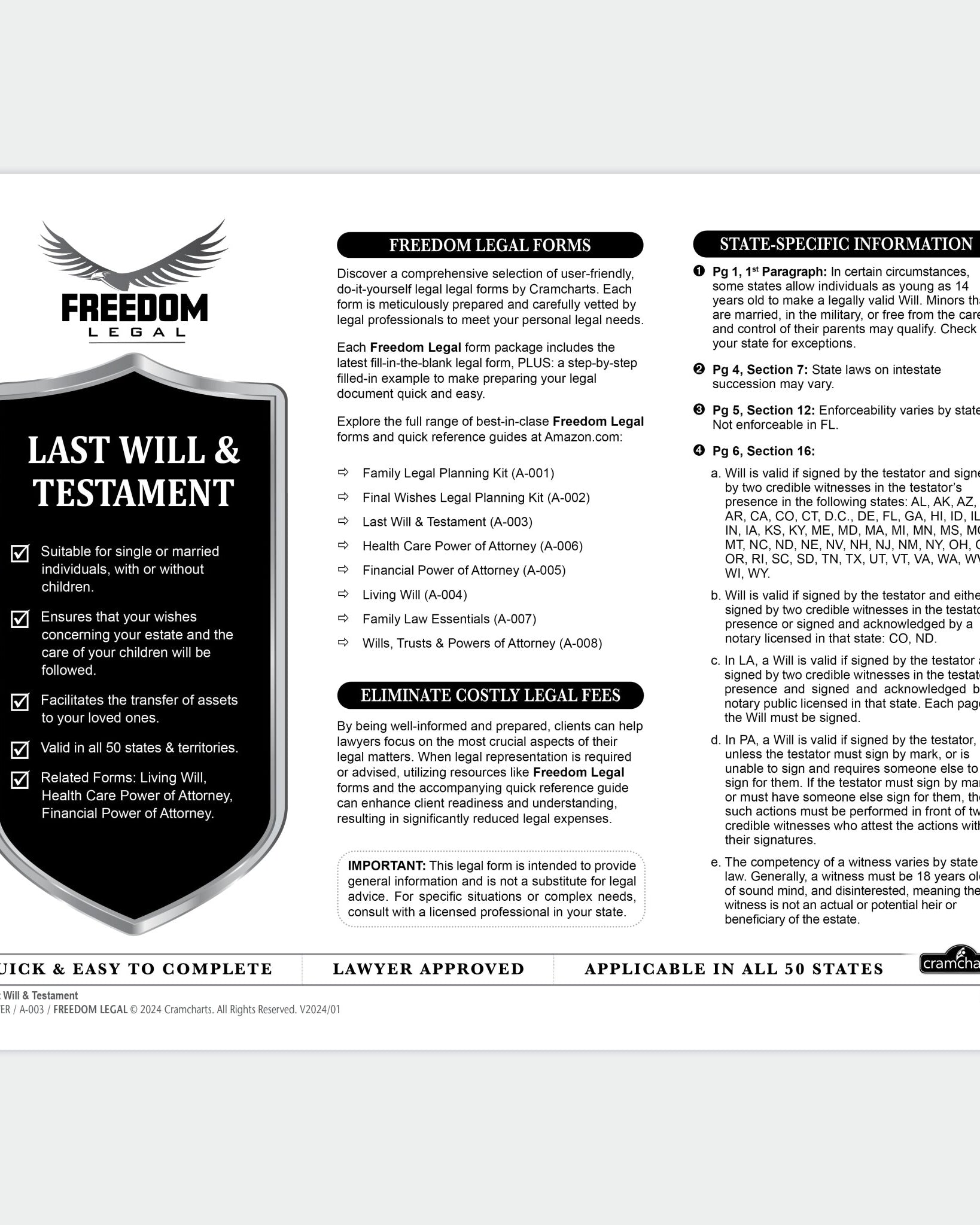
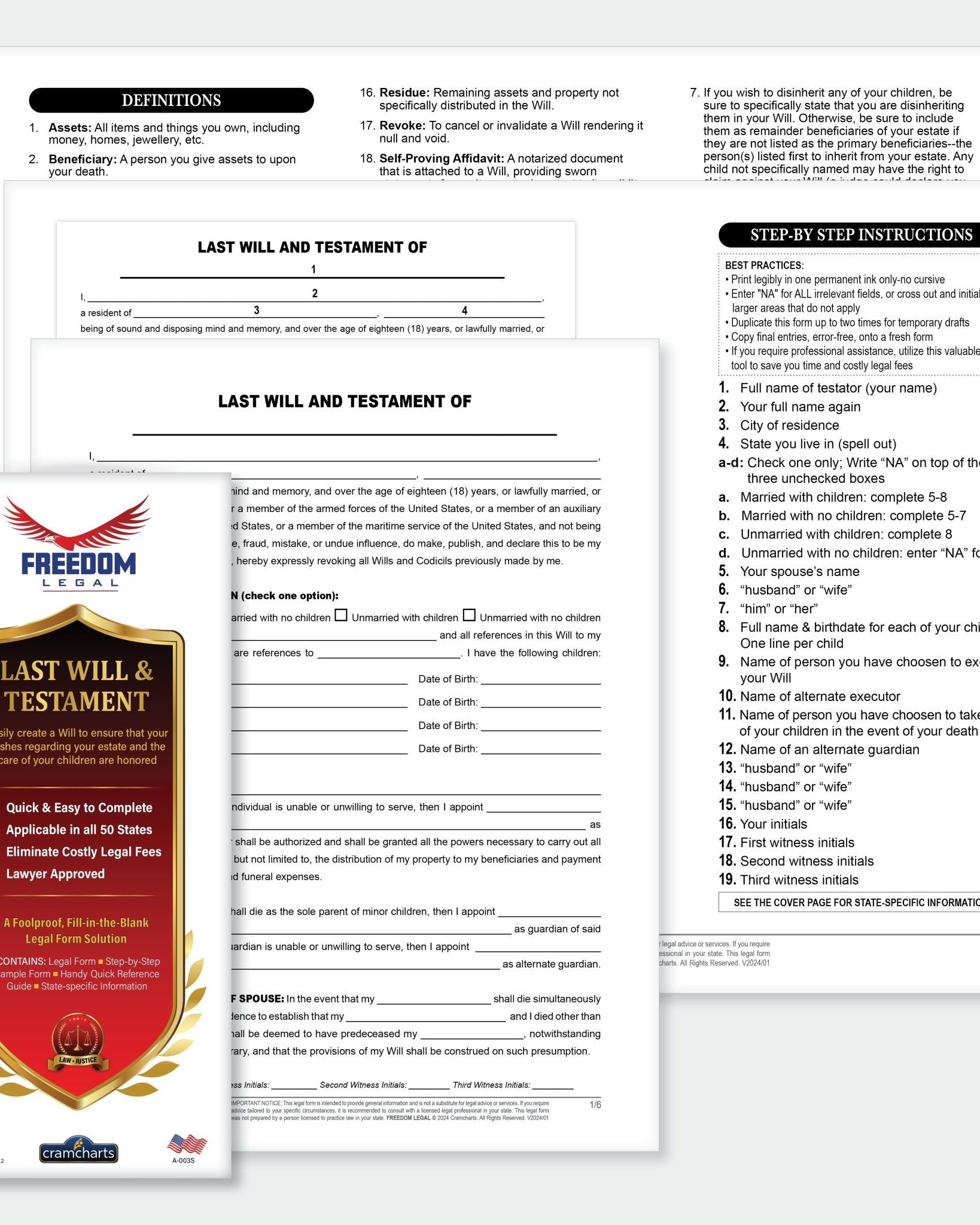
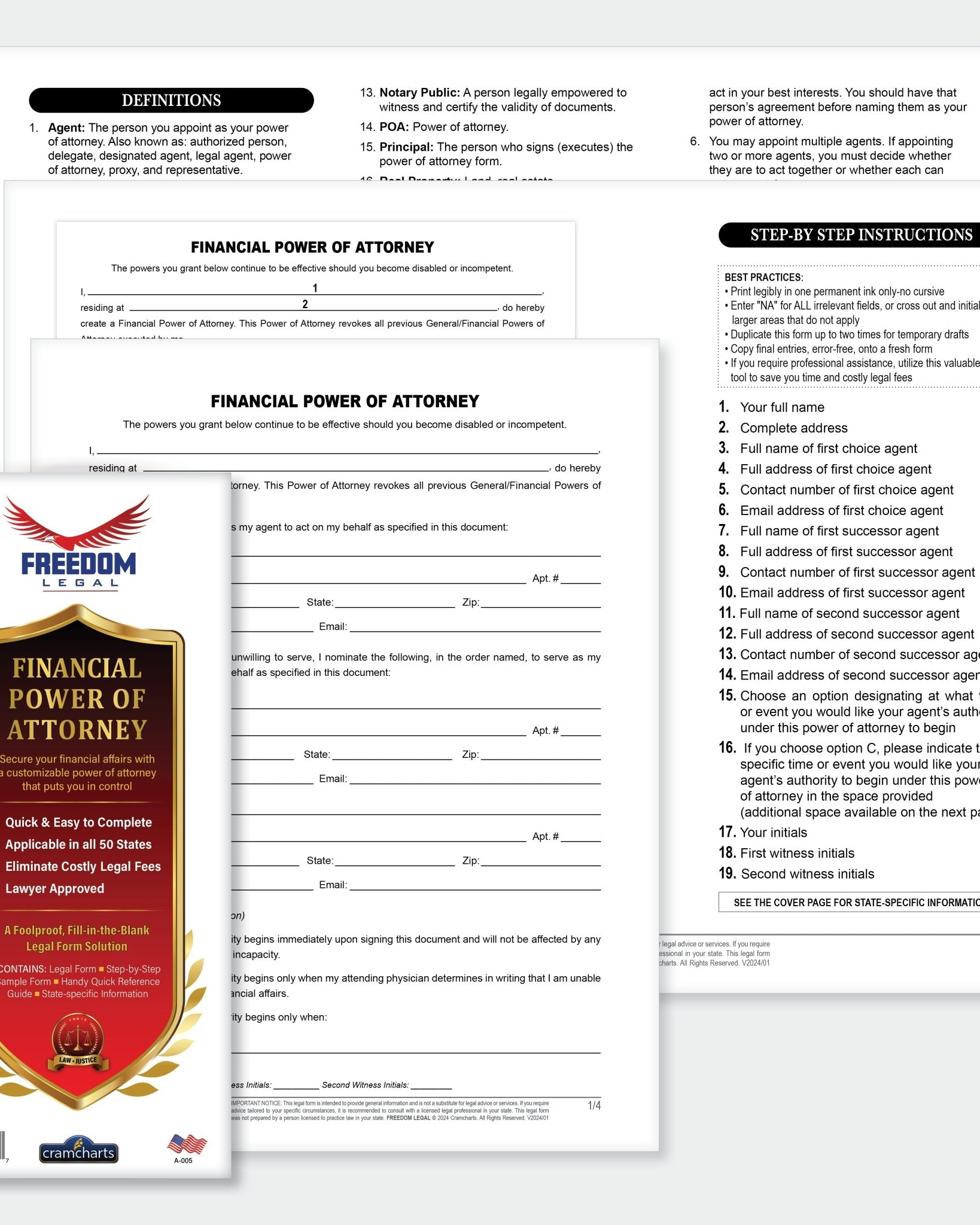
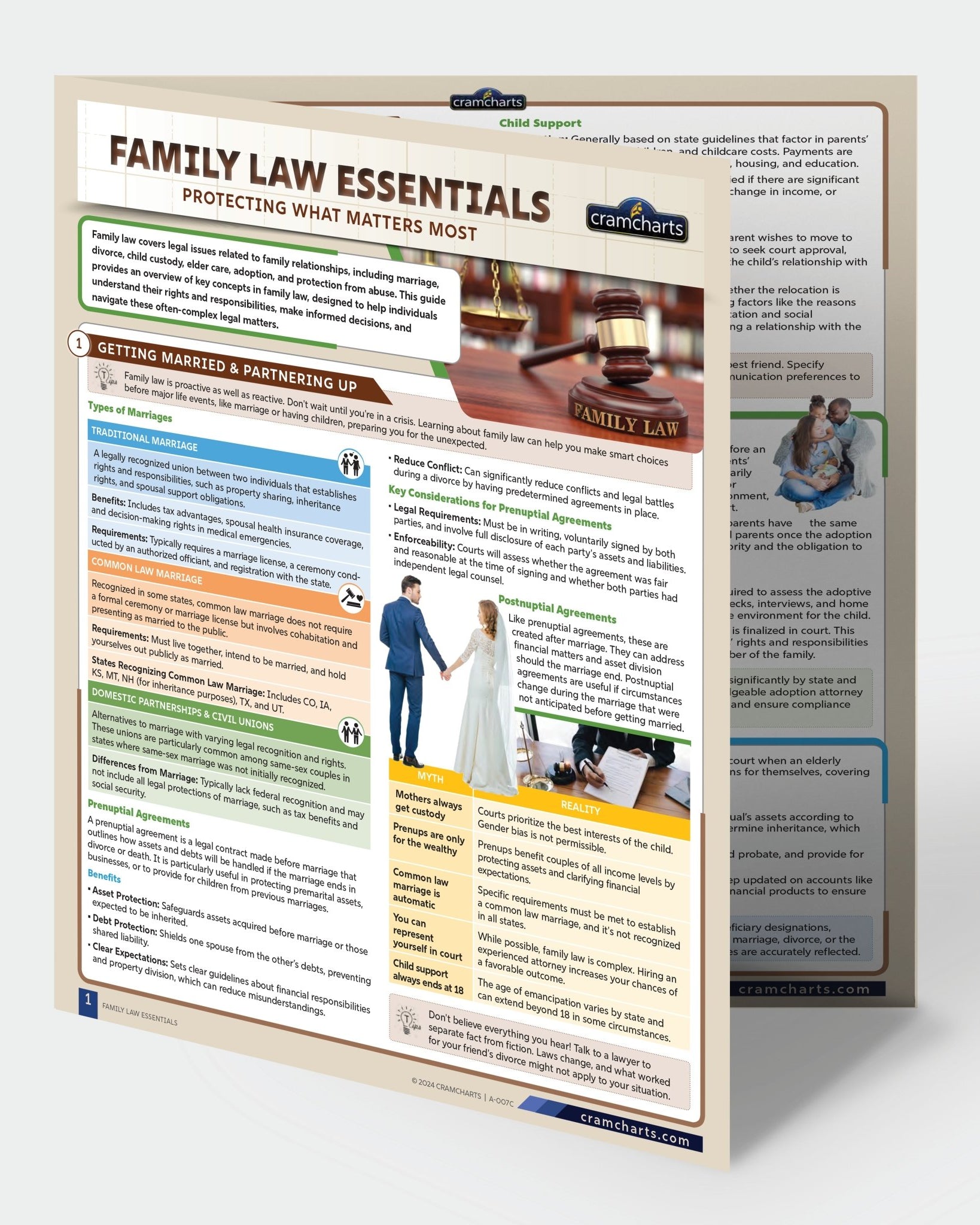
Instead of dealing with complicated legal processes, Cramcharts provides ready-to-use, fillable legal documents designed for real-life situations.
Key Benefits of These Documents
-
Professionally structured legal templates
-
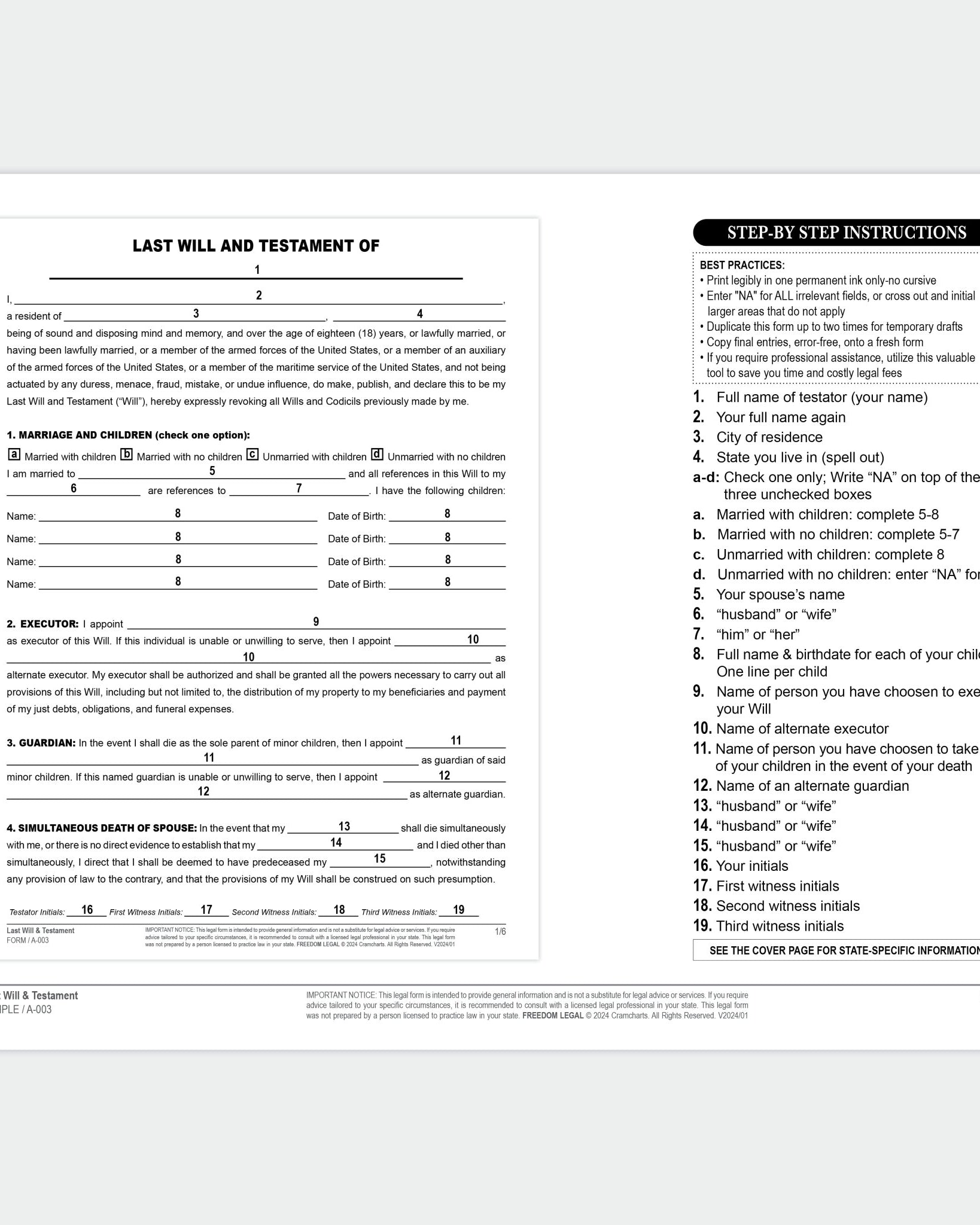
Simple, easy-to-fill format
-
Clear instructions for beginners
-
Saves time and reduces confusion
-
Helps you act without delays
Who Should Use These Documents?
These documents are essential for anyone who wants control over their healthcare decisions.
Individuals Planning Ahead
-
People who want their medical wishes clearly defined
Families
-
Individuals who want to reduce decision-making stress for loved ones
Working Professionals
-
Busy individuals who want a simple, structured legal solution
Seniors or Health-Conscious Individuals
-
People who want control over end-of-life care
Real-Life Use Case
Imagine a sudden medical emergency.
Without documents:
-
Doctors rely on general protocols
-
Family members may disagree
With both documents:
-
Your living will provides clear instructions
-
Your chosen person makes informed decisions
This ensures:
-
Faster decision-making
-
Less emotional stress
-
Better outcomes aligned with your wishes
How to Choose the Right Option
Step-by-Step Approach
-
Start with a Living Will
-
Define your medical preferences
-
Add a Power of Attorney
-
Assign someone you trust
-
Review Both Together
-
Ensure they complement each other
-
Take Action Early
-
Don’t wait for emergencies
FAQs (People Also Ask)
1. What is the main difference between a living will and power of attorney?
A living will provides written medical instructions, while a power of attorney appoints someone to make decisions for you.
2. Do I need both documents?
Yes, using both ensures complete coverage of medical decisions.
3. When does a living will take effect?
It takes effect when you are unable to communicate your wishes.
4. Who should I choose as my power of attorney?
Someone you trust who understands your values and preferences.
5. Is it difficult to create these documents?
No, using structured, ready-to-use templates makes the process simple.