

Planning for the future isn’t always easy but it’s necessary.
One of the most common areas of confusion is understanding the difference between a living will vs last will. Many people assume they are the same, but they serve completely different purposes.
If you’re unsure which one you need, this guide will simplify everything and show how visual tools from Cramcharts can help you make informed decisions quickly.
What Is a Living Will?
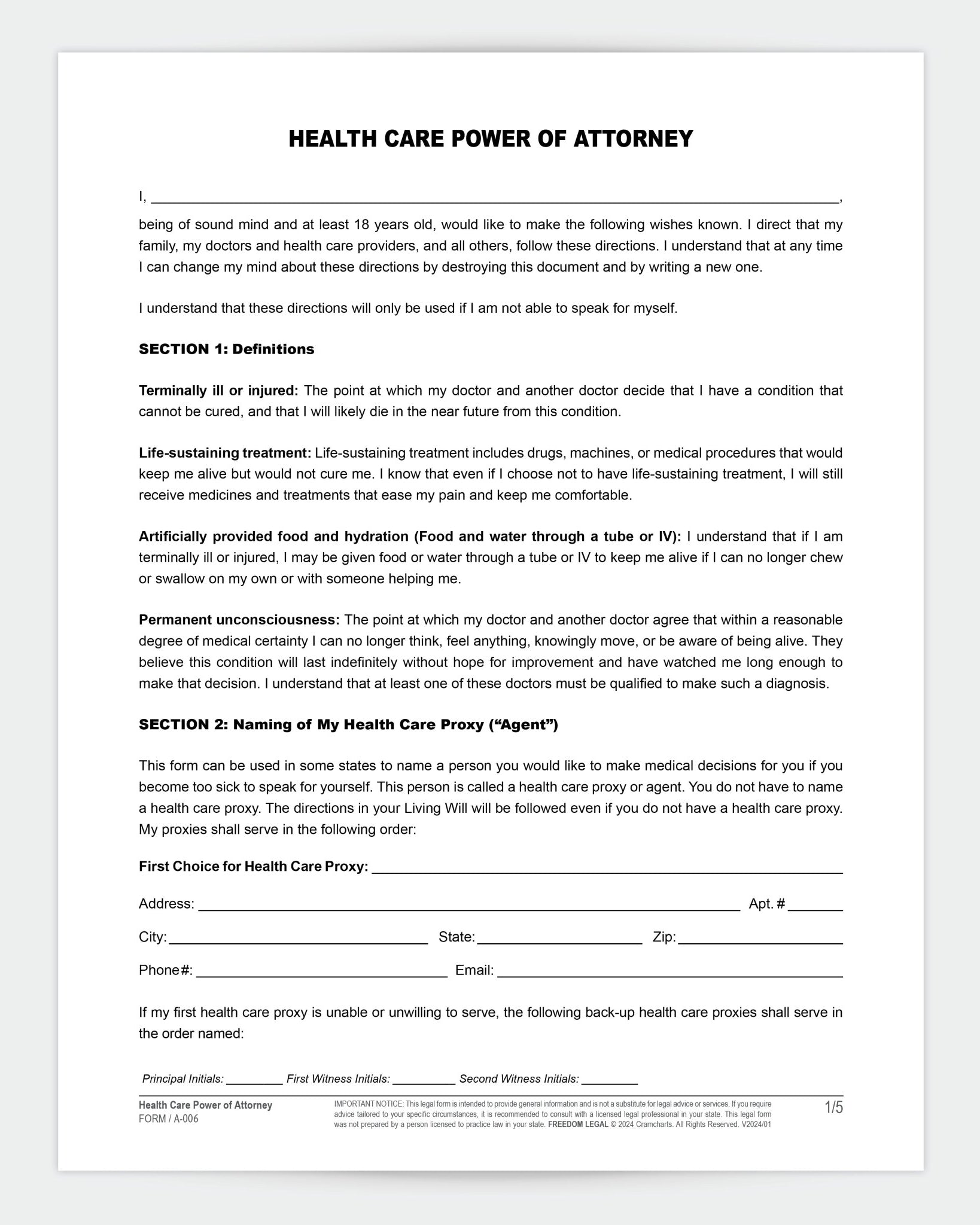
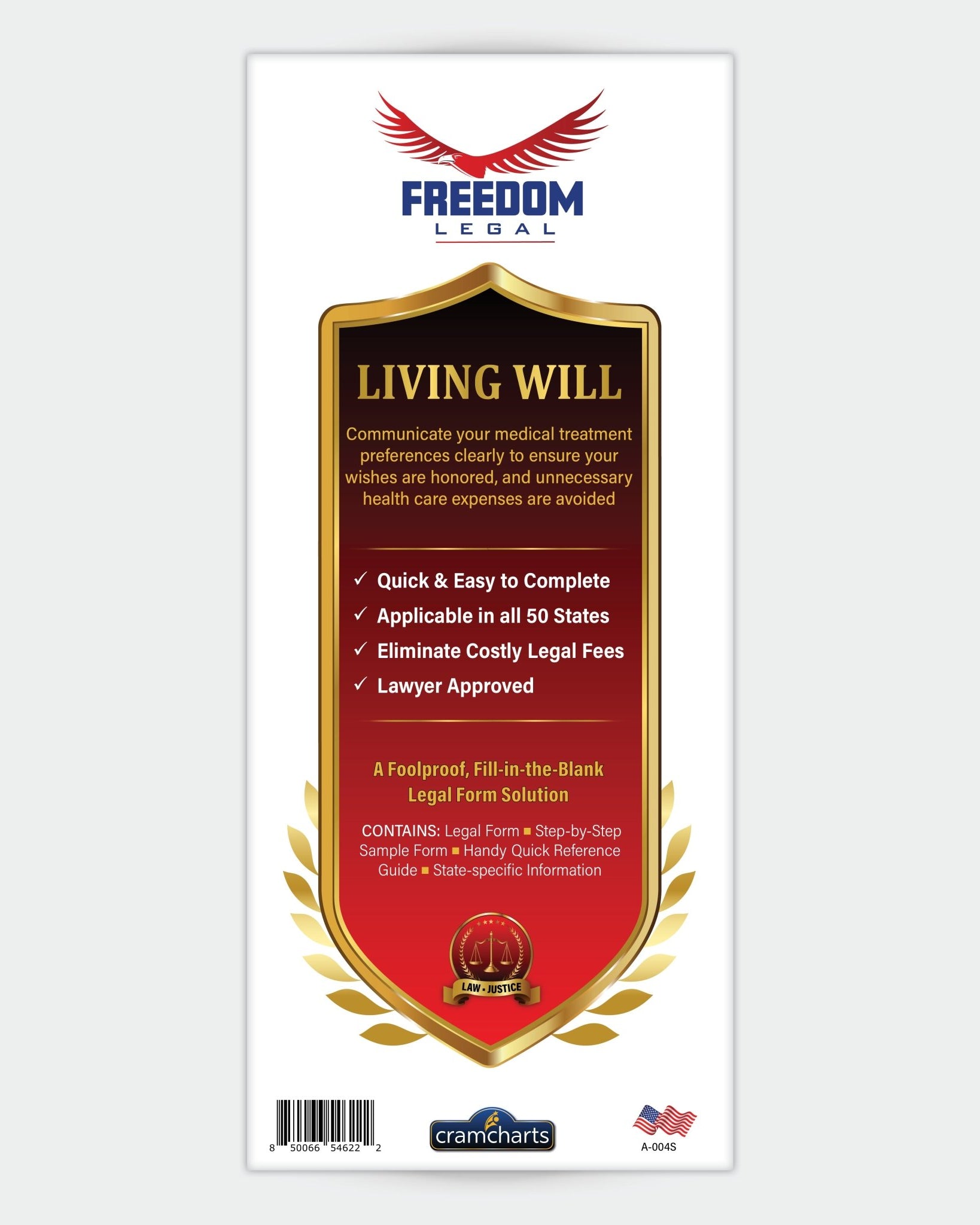
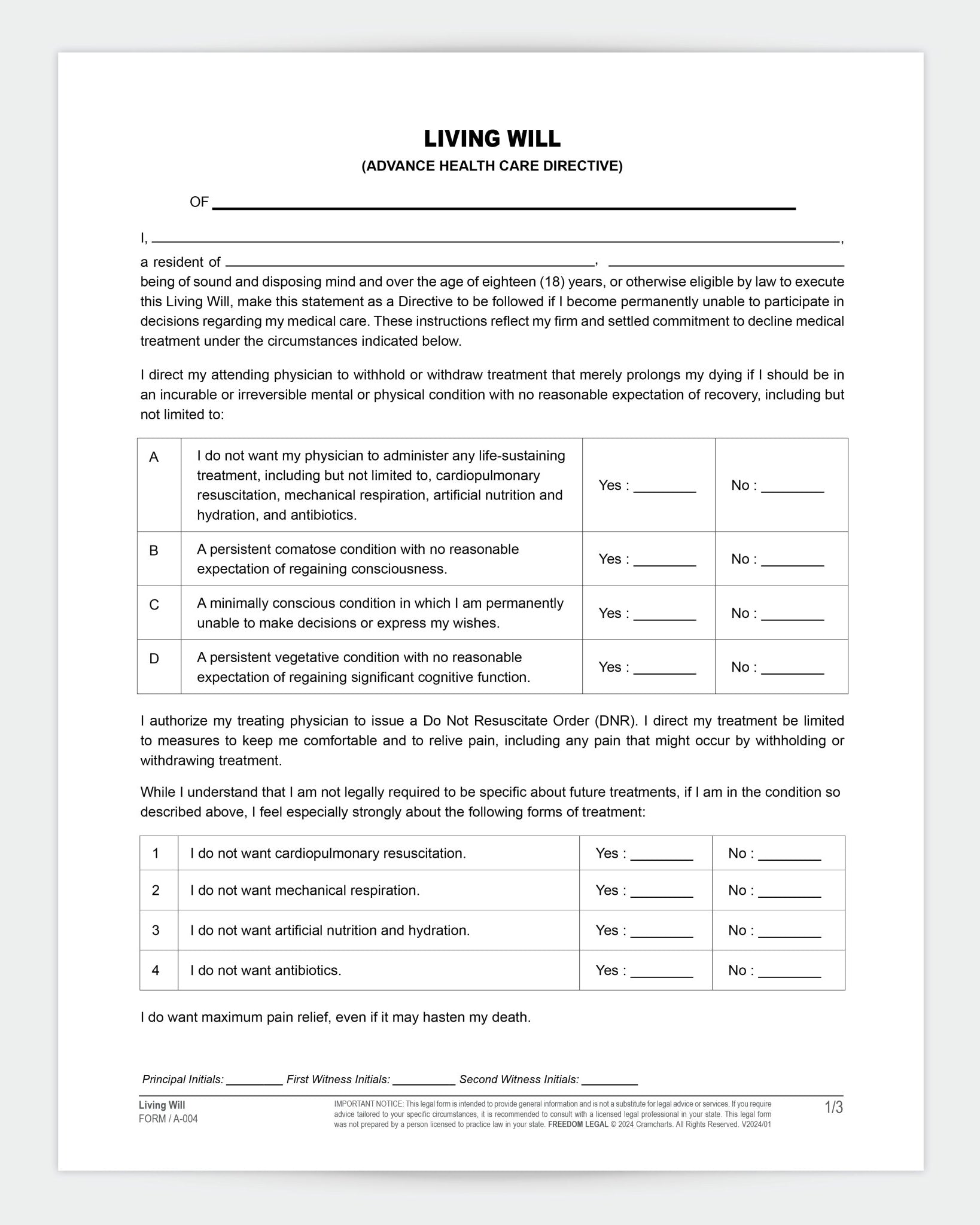
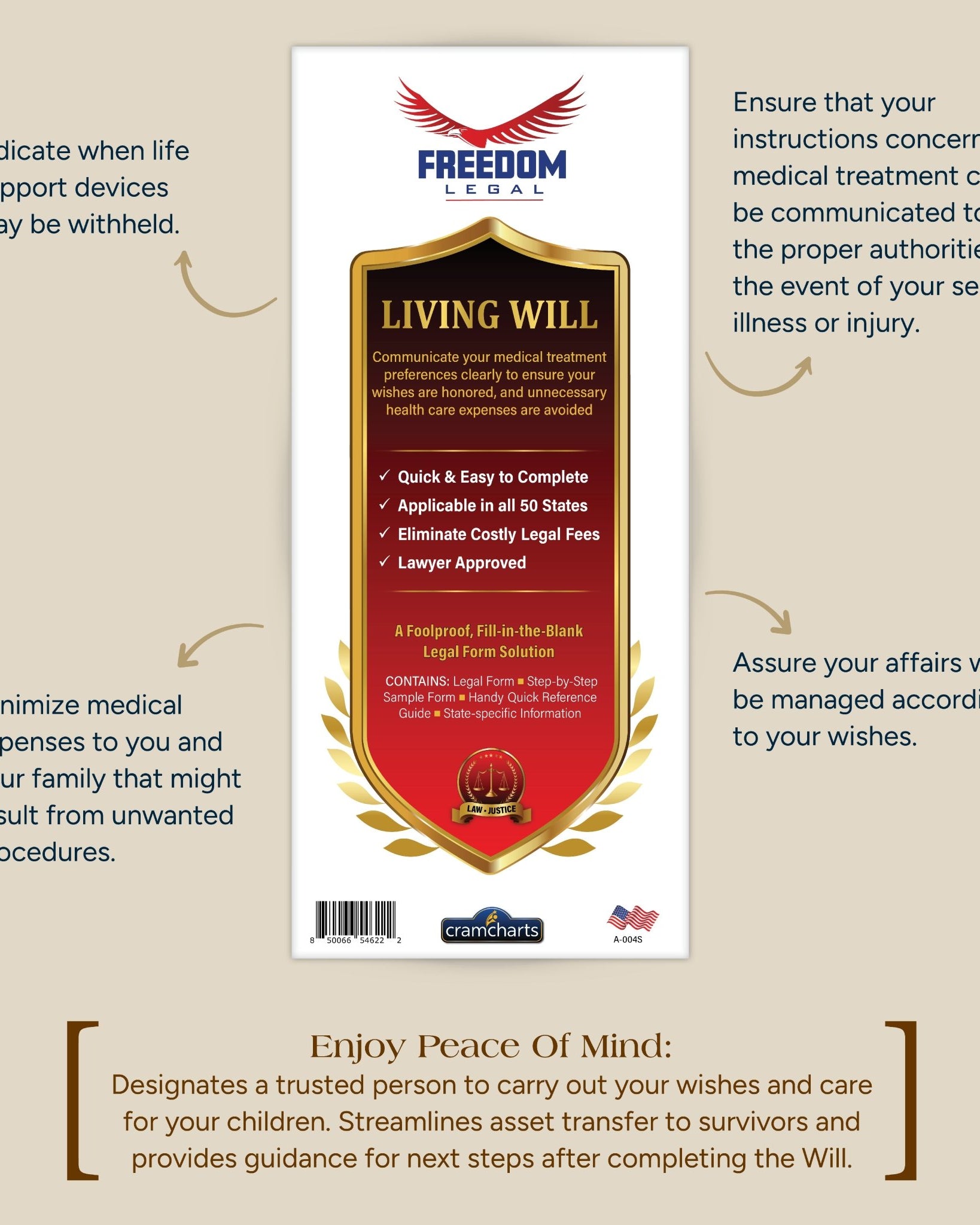
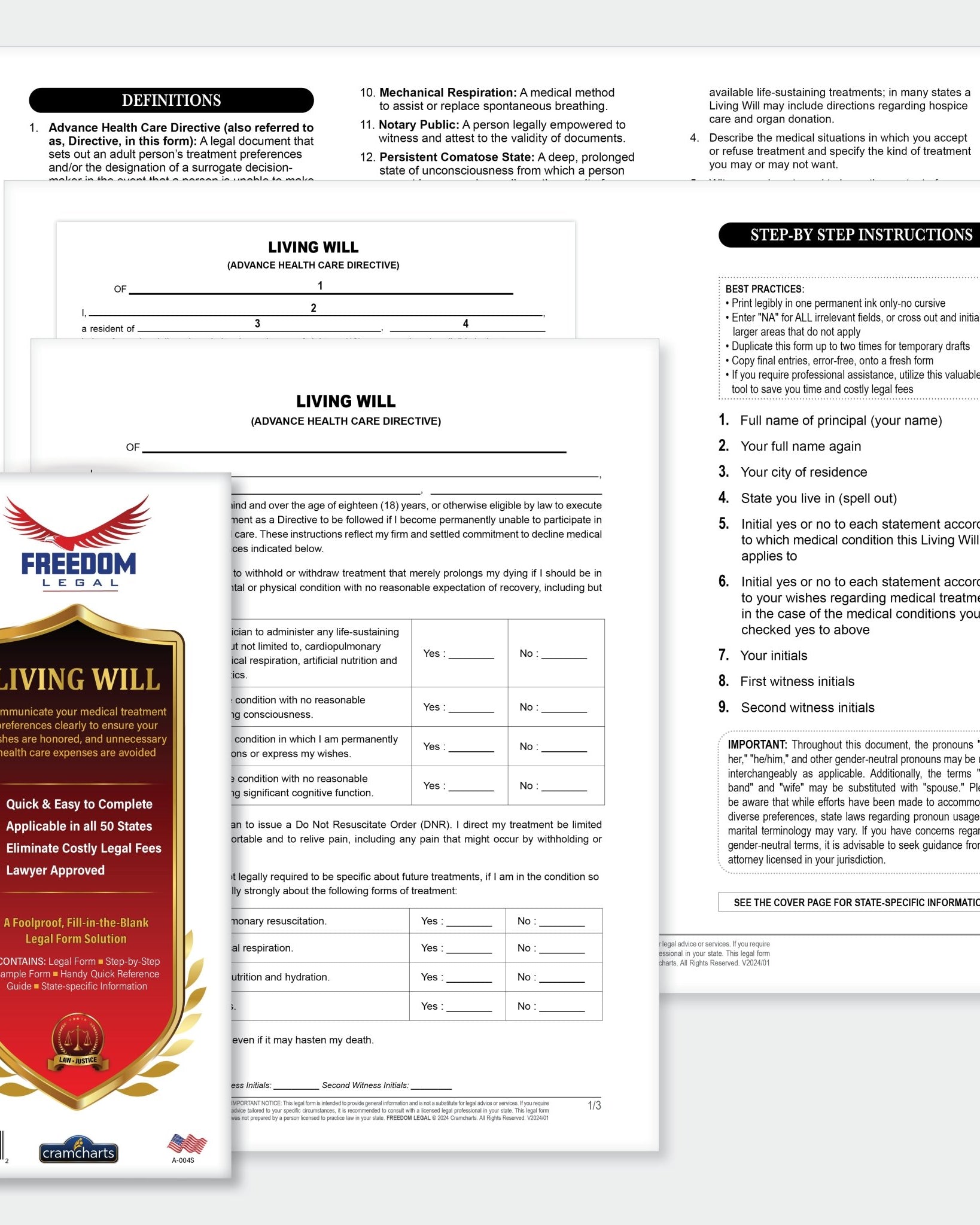
A living will is a legal document that outlines your medical preferences if you become unable to communicate your decisions.
It Typically Covers:
-
Life-support decisions
-
Medical treatments you accept or refuse
-
End-of-life care preferences
Example:
If someone is in a critical condition and cannot speak, a living will ensures doctors follow their wishes instead of making assumptions.
What Is a Last Will?
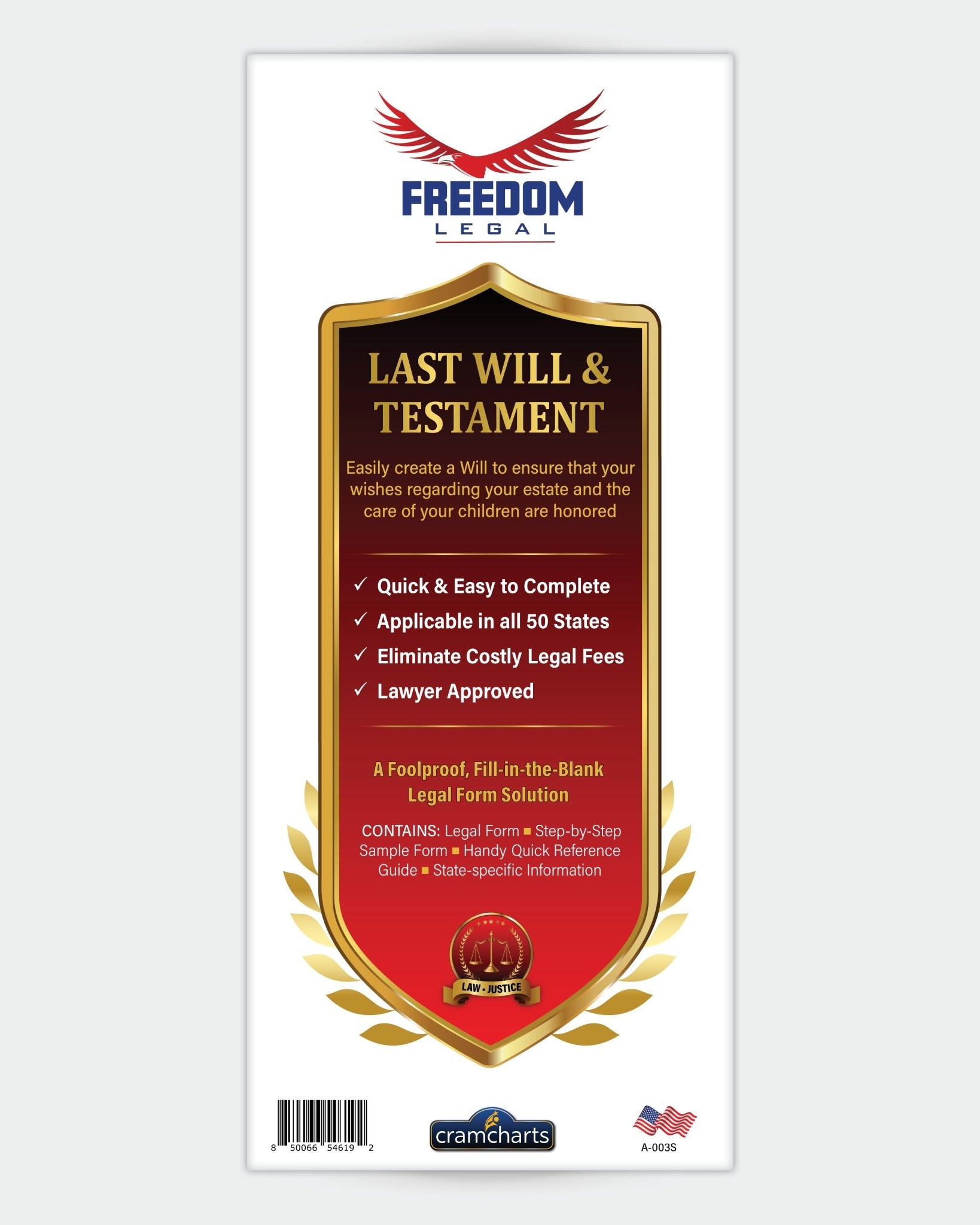
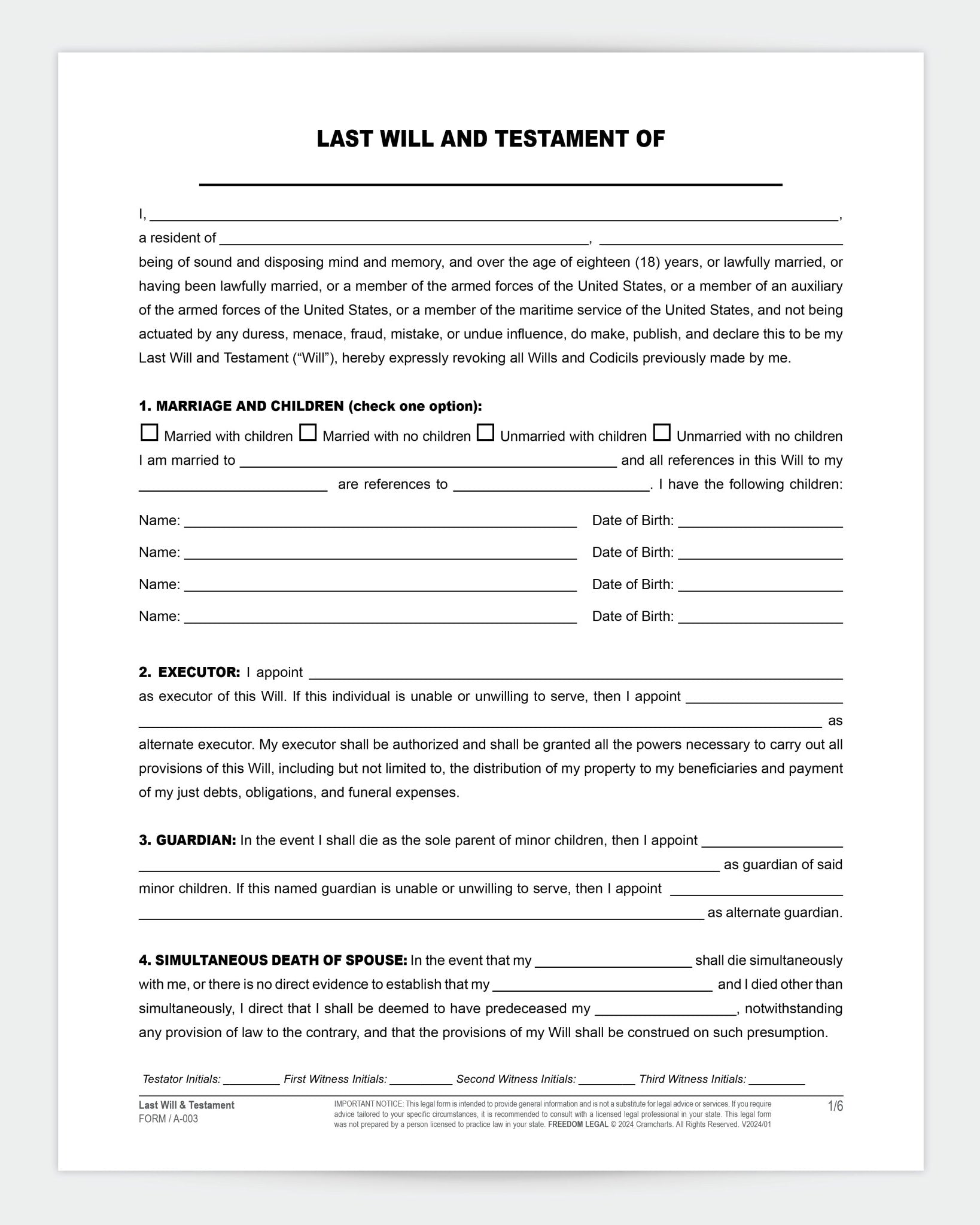
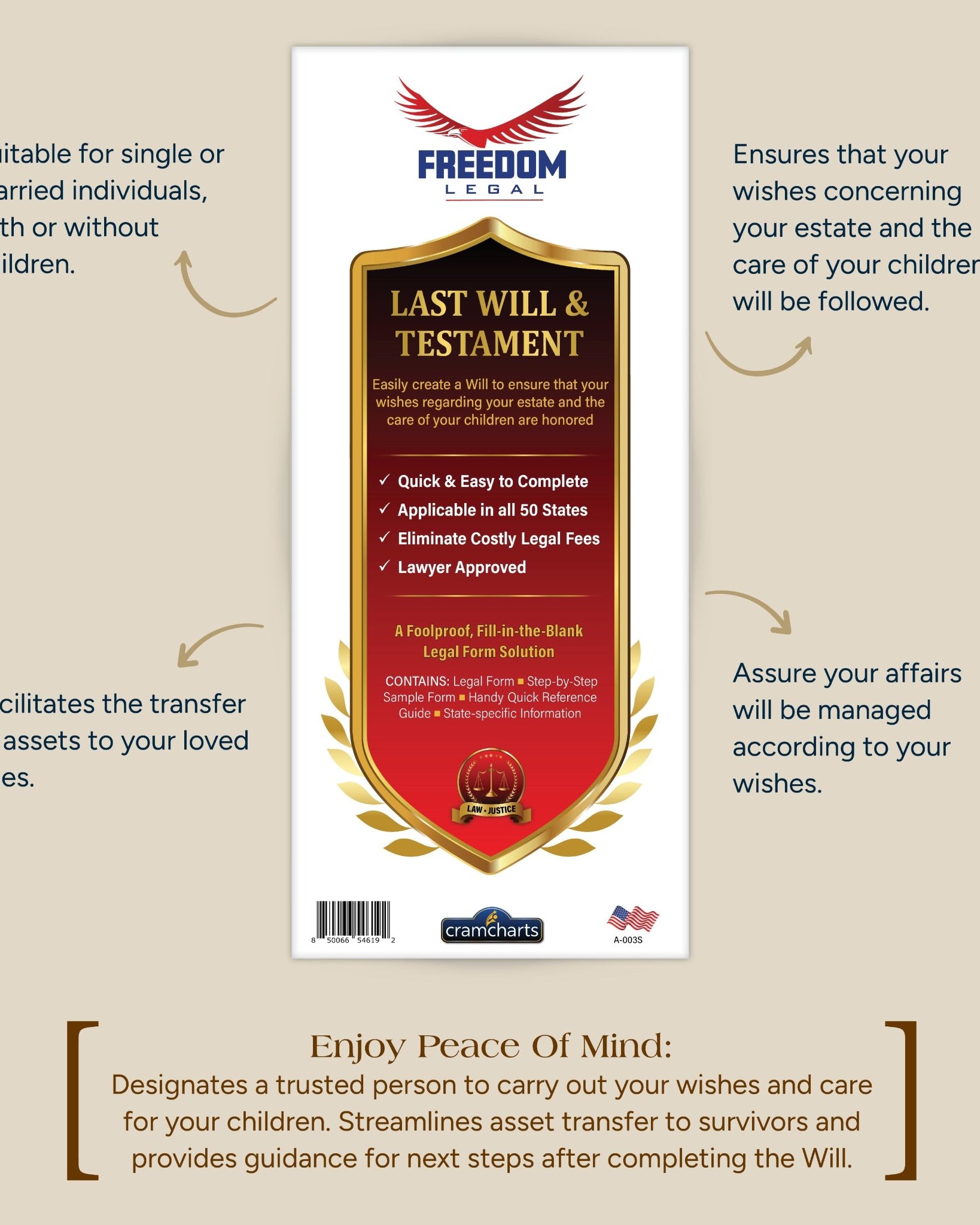
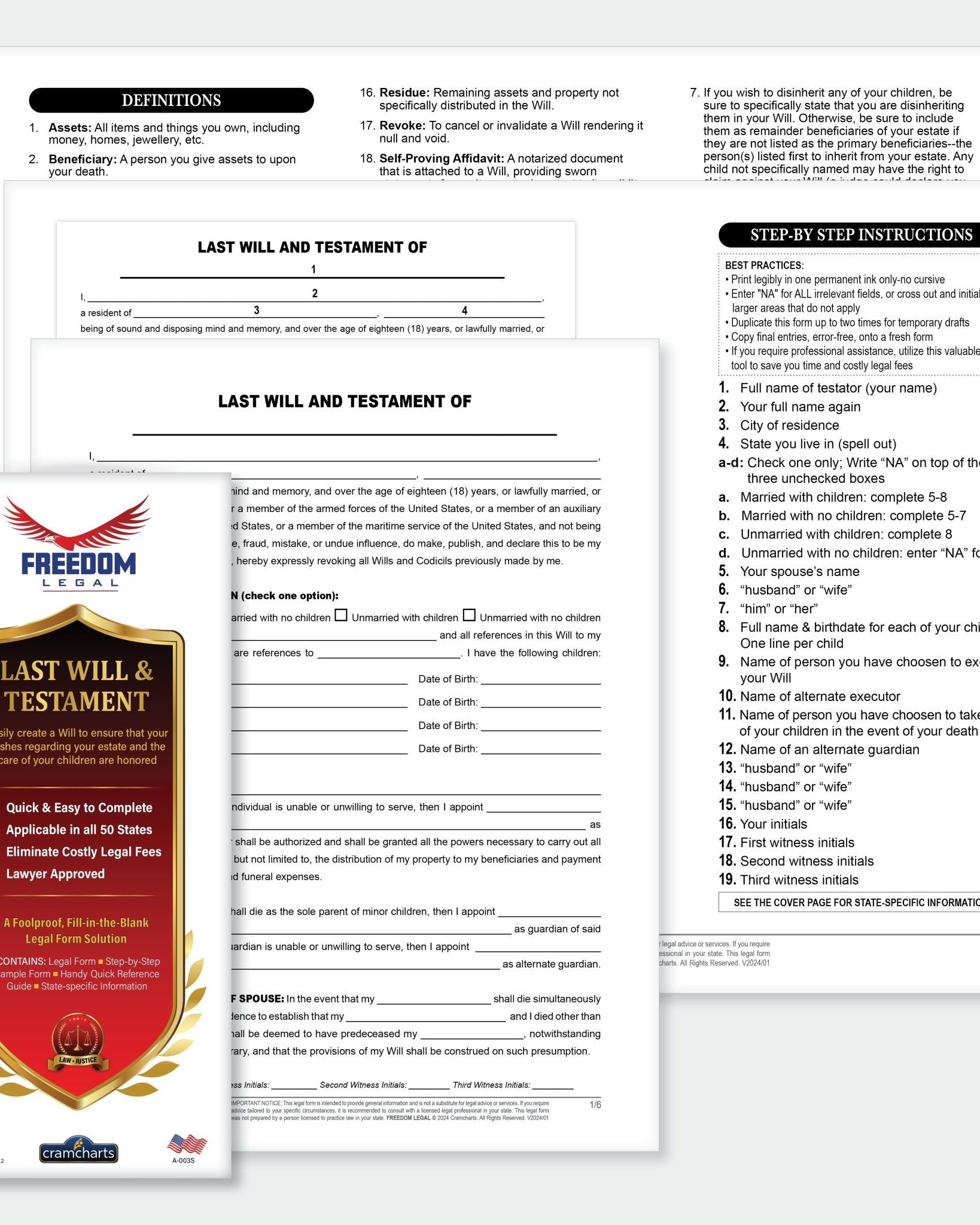
A last will (last will and testament) is a legal document that explains what happens to your assets after your death.
It Typically Covers:
-
Distribution of property and assets
-
Naming beneficiaries
-
Appointing guardians for children
-
Selecting an executor
Example:
A last will ensures your property is distributed exactly how you want, avoiding disputes among family members.
Living Will vs Last Will: Key Differences
Understanding the living will vs last will distinction is essential for proper planning.
1. Purpose
-
Living Will: Medical decisions while you’re alive but incapacitated
-
Last Will: Asset distribution after death
2. Timing
-
Living Will: Takes effect during your lifetime
-
Last Will: Takes effect after your death
3. Focus Area
-
Living Will: Healthcare and treatment preferences
-
Last Will: Financial and legal matters
4. Decision Authority
-
Living Will: Guides doctors and healthcare providers
-
Last Will: Guides family and legal authorities
Why Understanding the Difference Matters
Choosing between a living will vs last will isn’t about picking one it’s about understanding that you may need both.
Without These Documents:
-
Medical decisions may not reflect your wishes
-
Family disputes can arise over assets
-
Legal processes become complicated and stressful
With Proper Planning:
-
Your voice is heard even when you can’t speak
-
Your family has clarity and direction
-
Your legacy is protected
Common Challenges People Face
Many individuals delay creating these documents because:
-
Legal terms feel confusing
-
Too many documents to understand
-
Fear of making the wrong decision
-
Lack of time to research
This is where most planning efforts fail not due to lack of intention, but lack of clarity.
How Cramcharts Simplifies Legal Planning
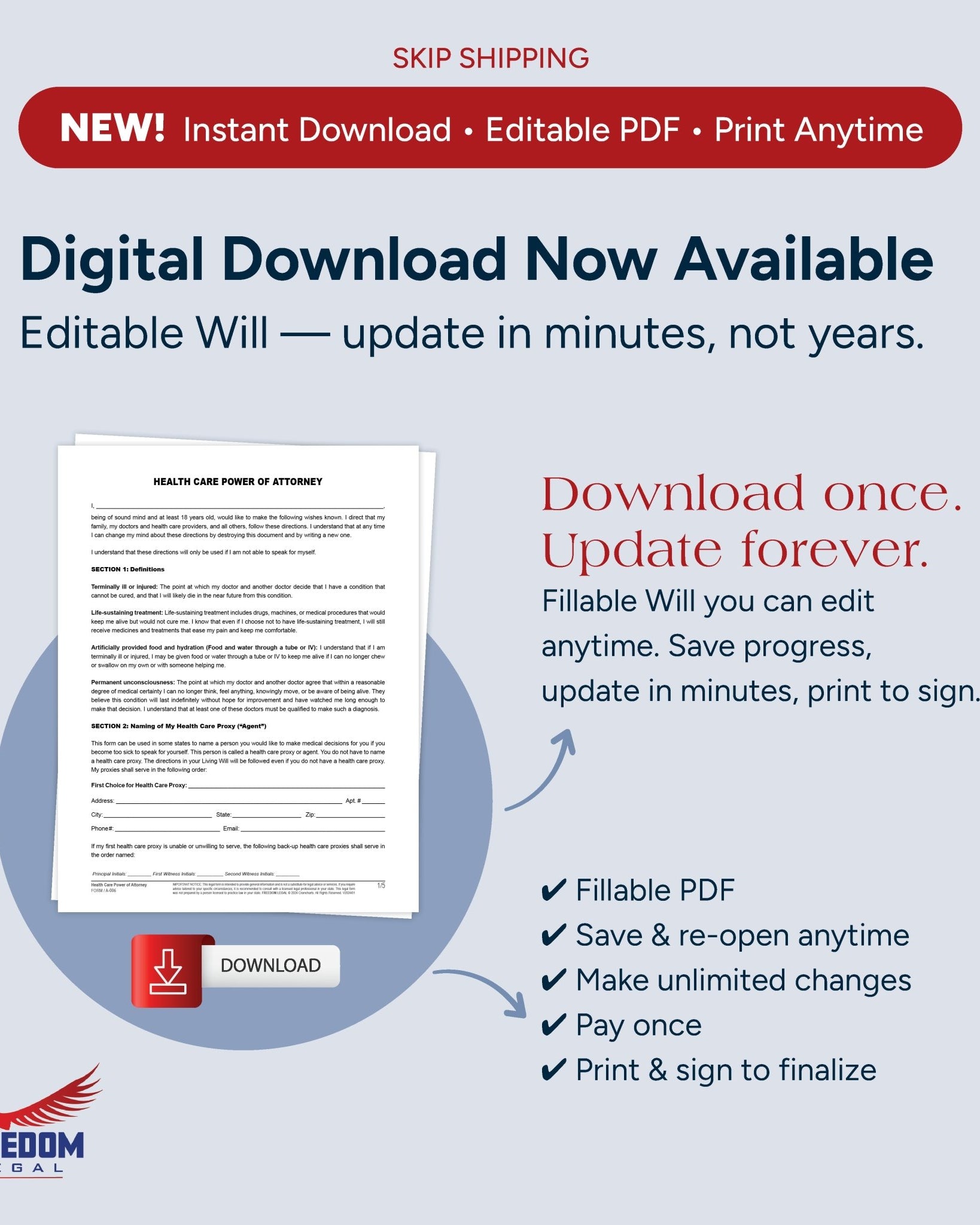
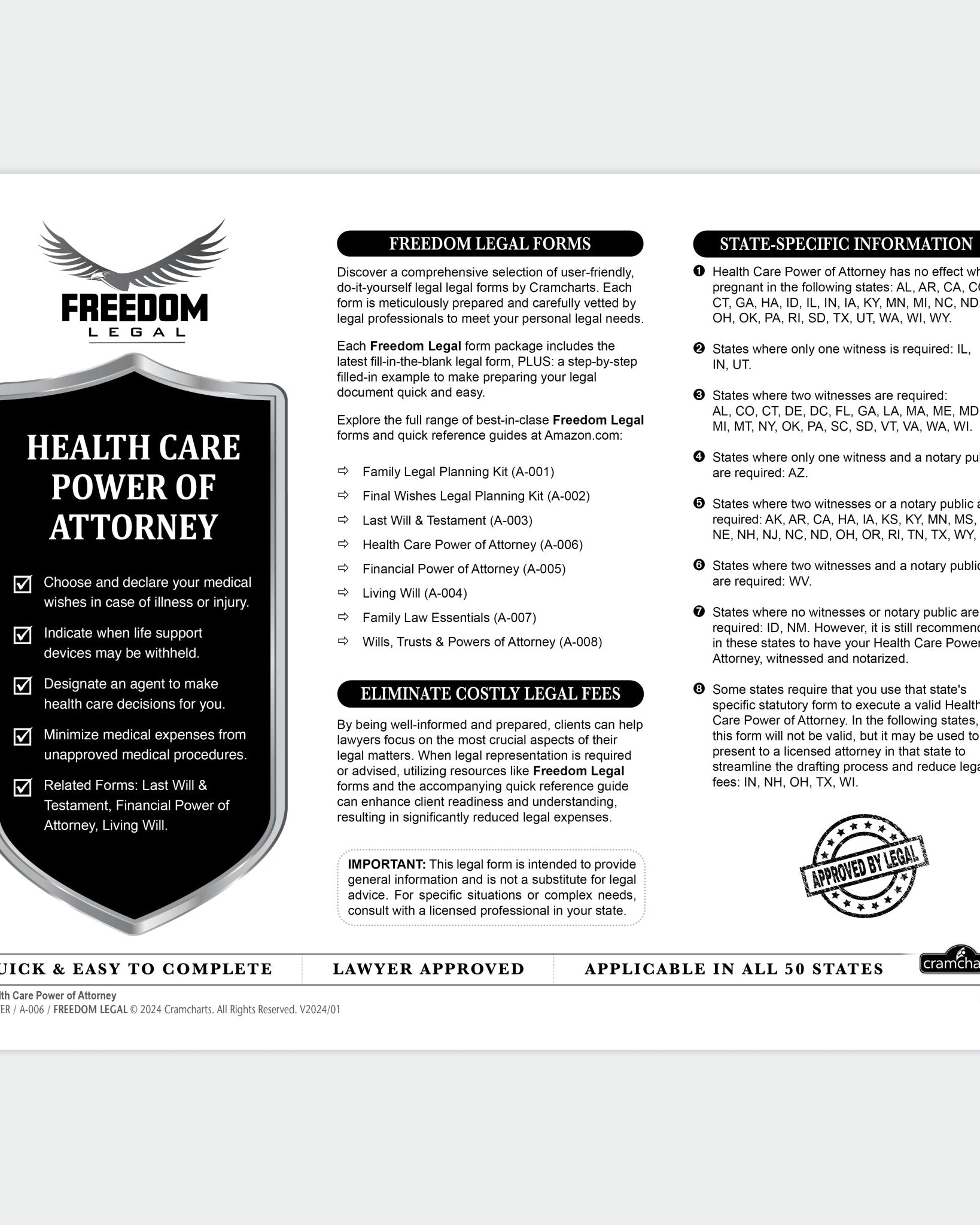
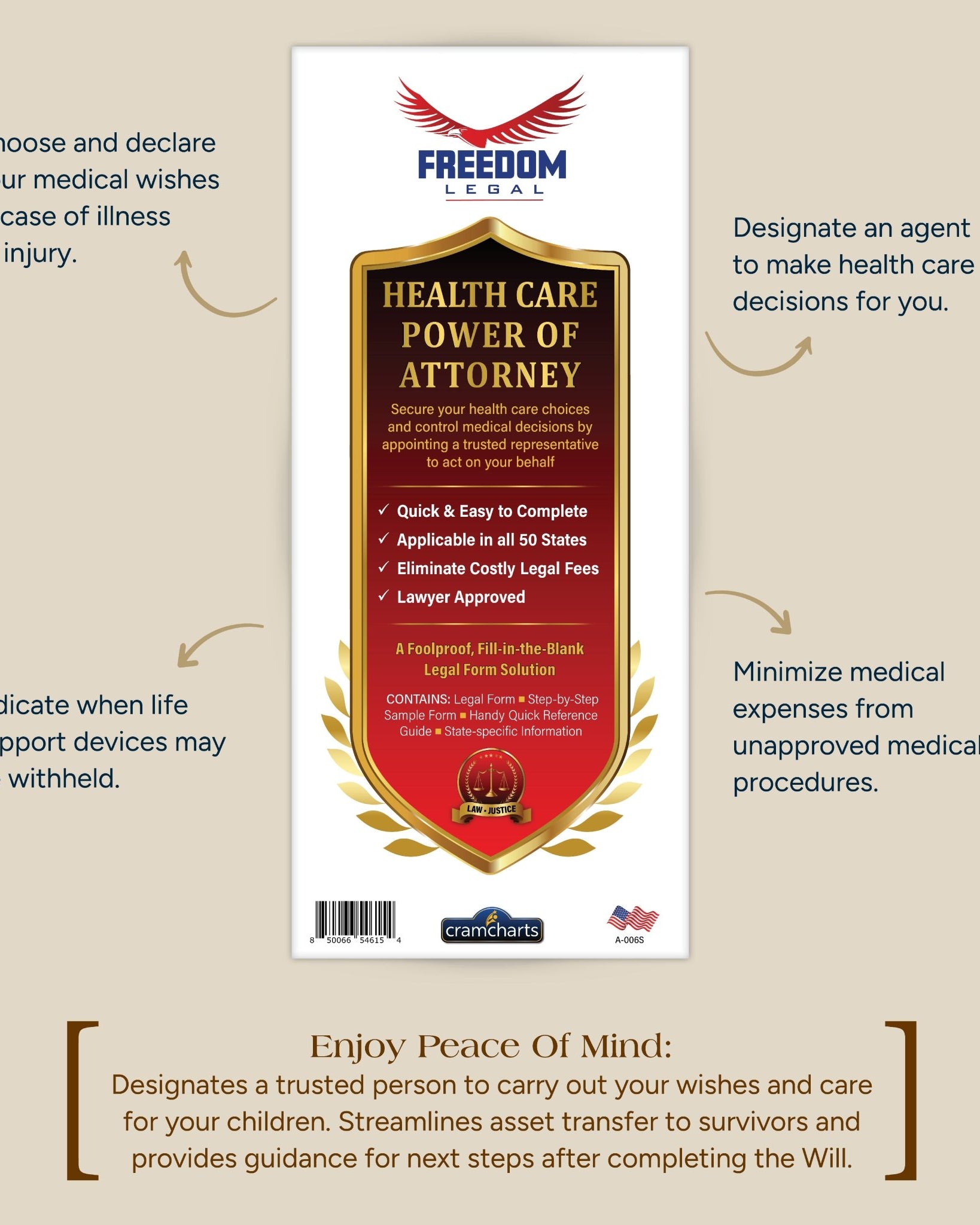
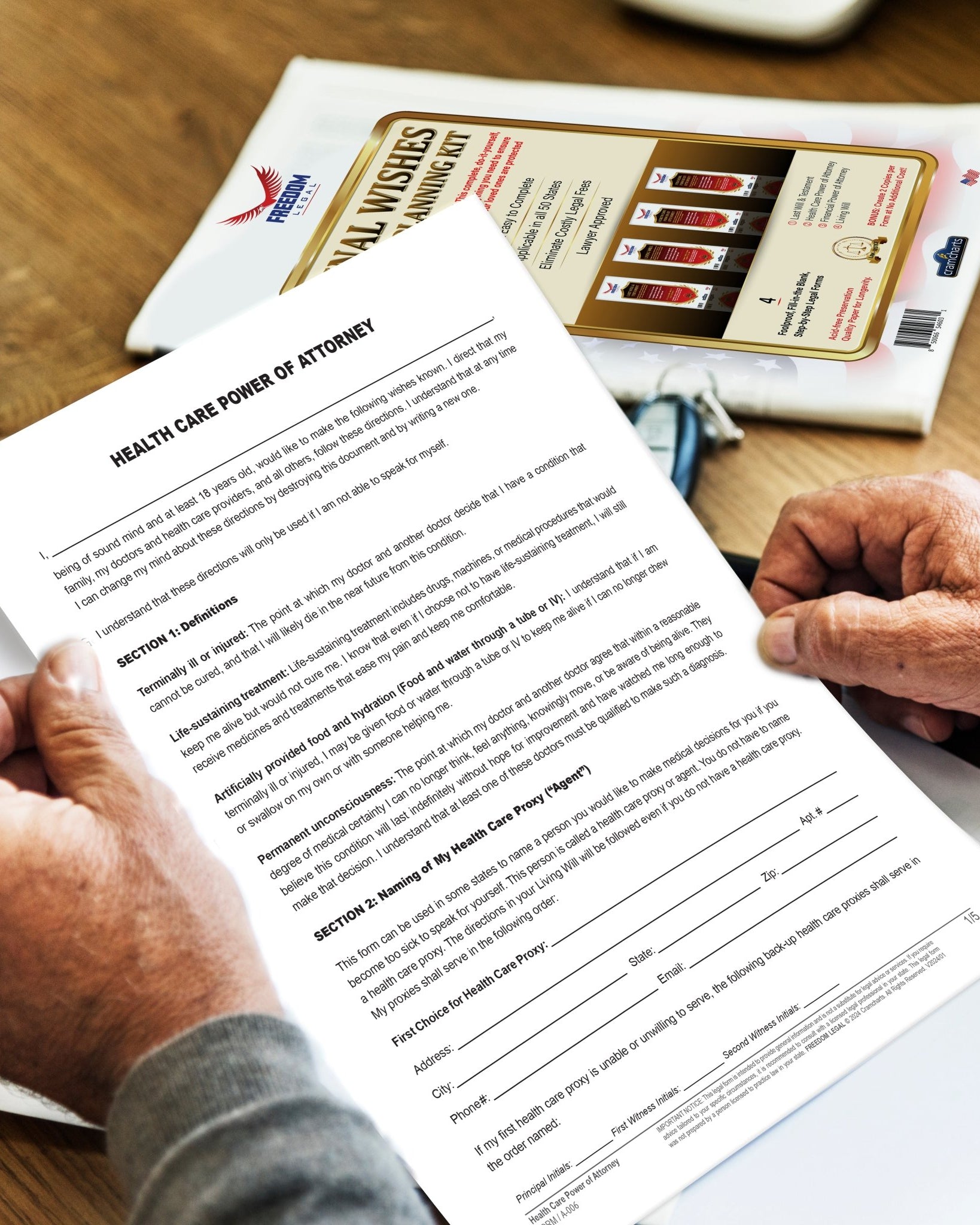
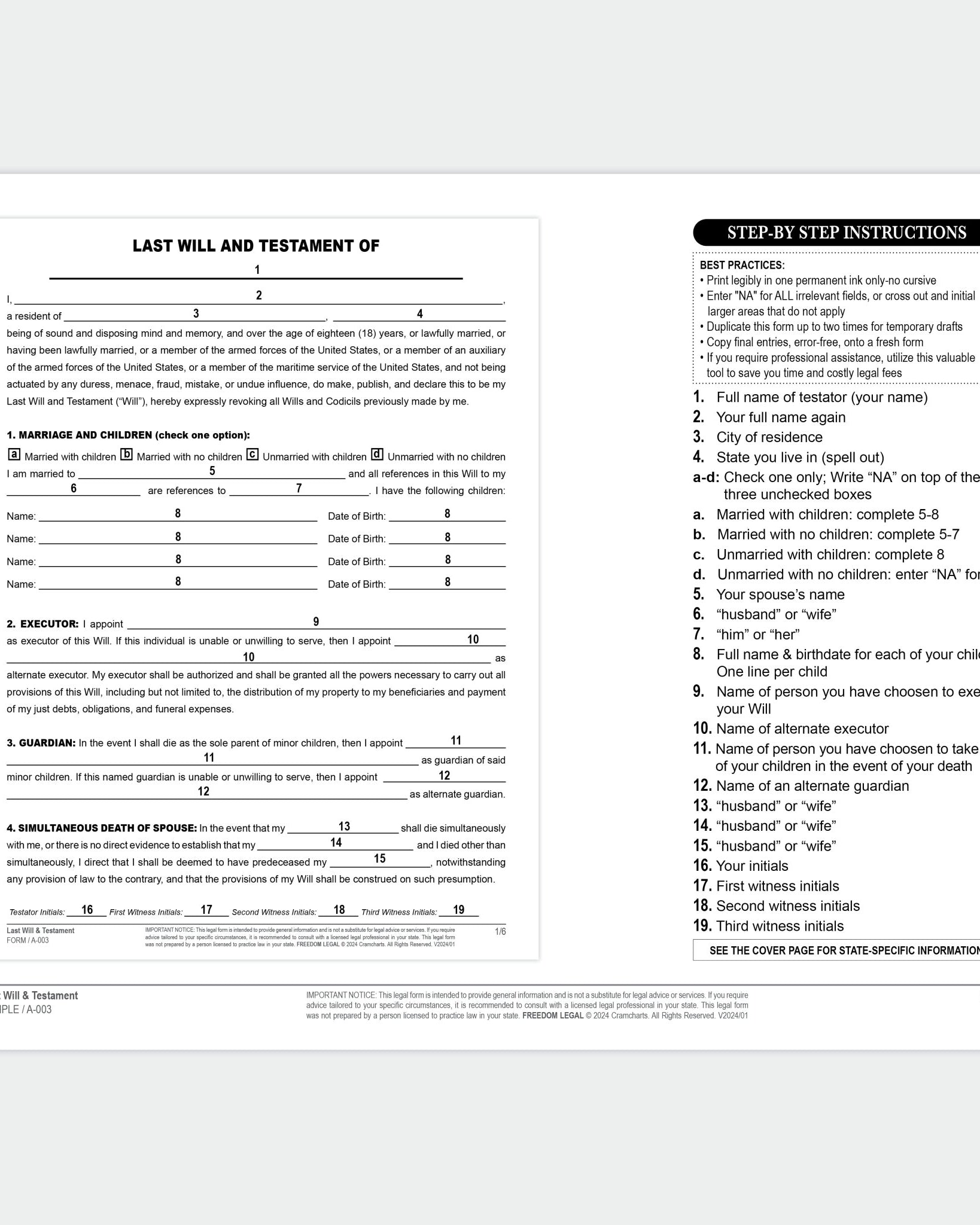
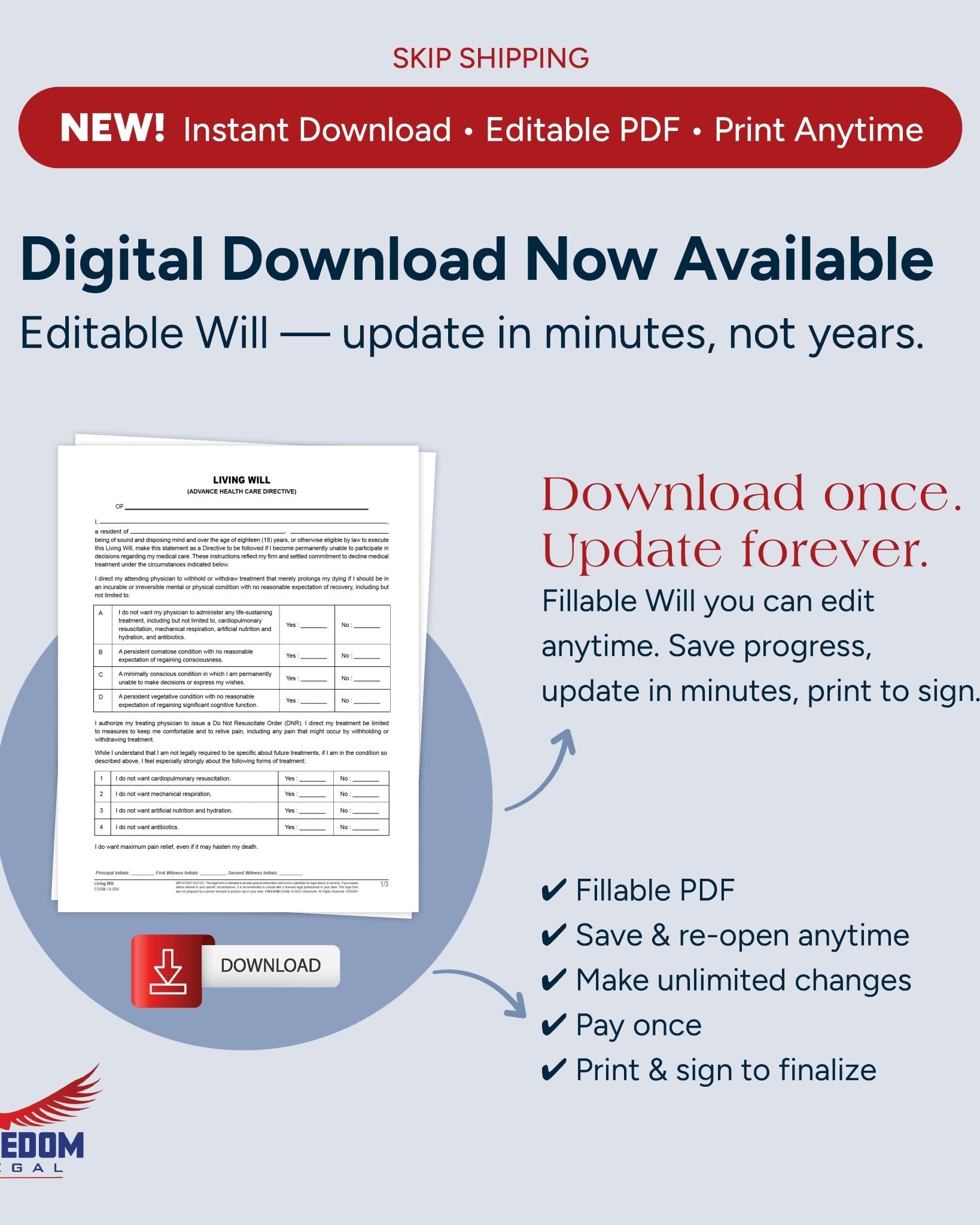
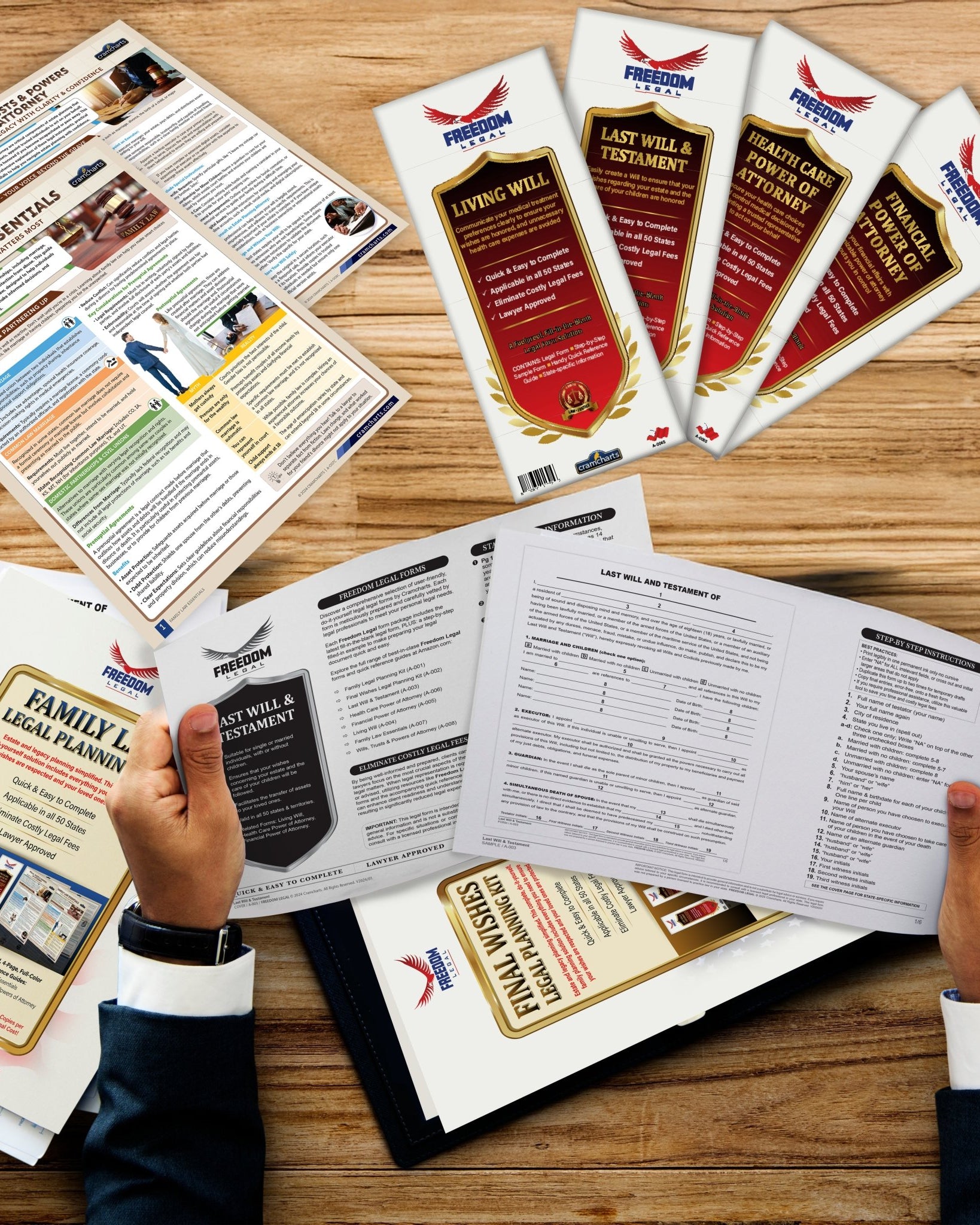
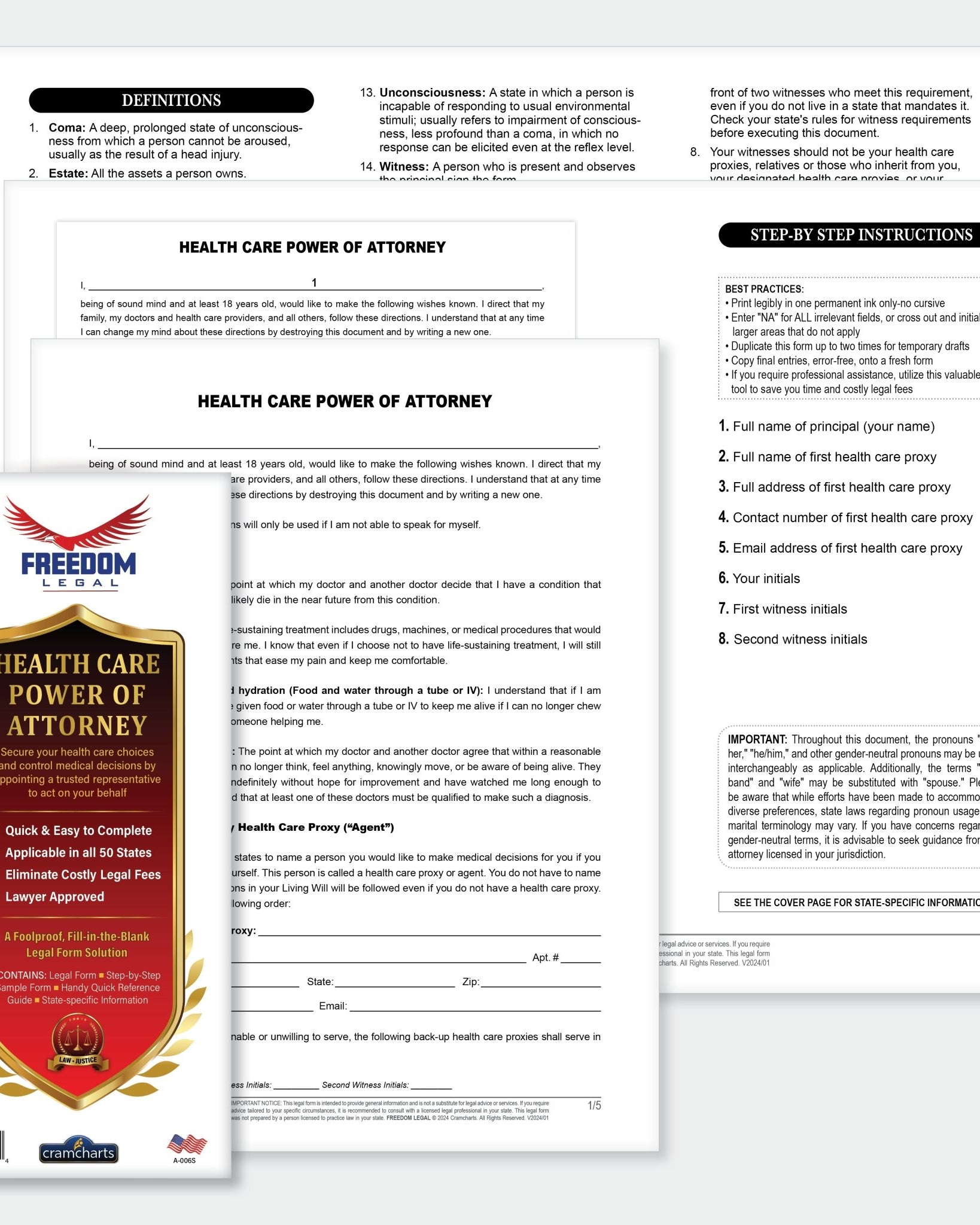
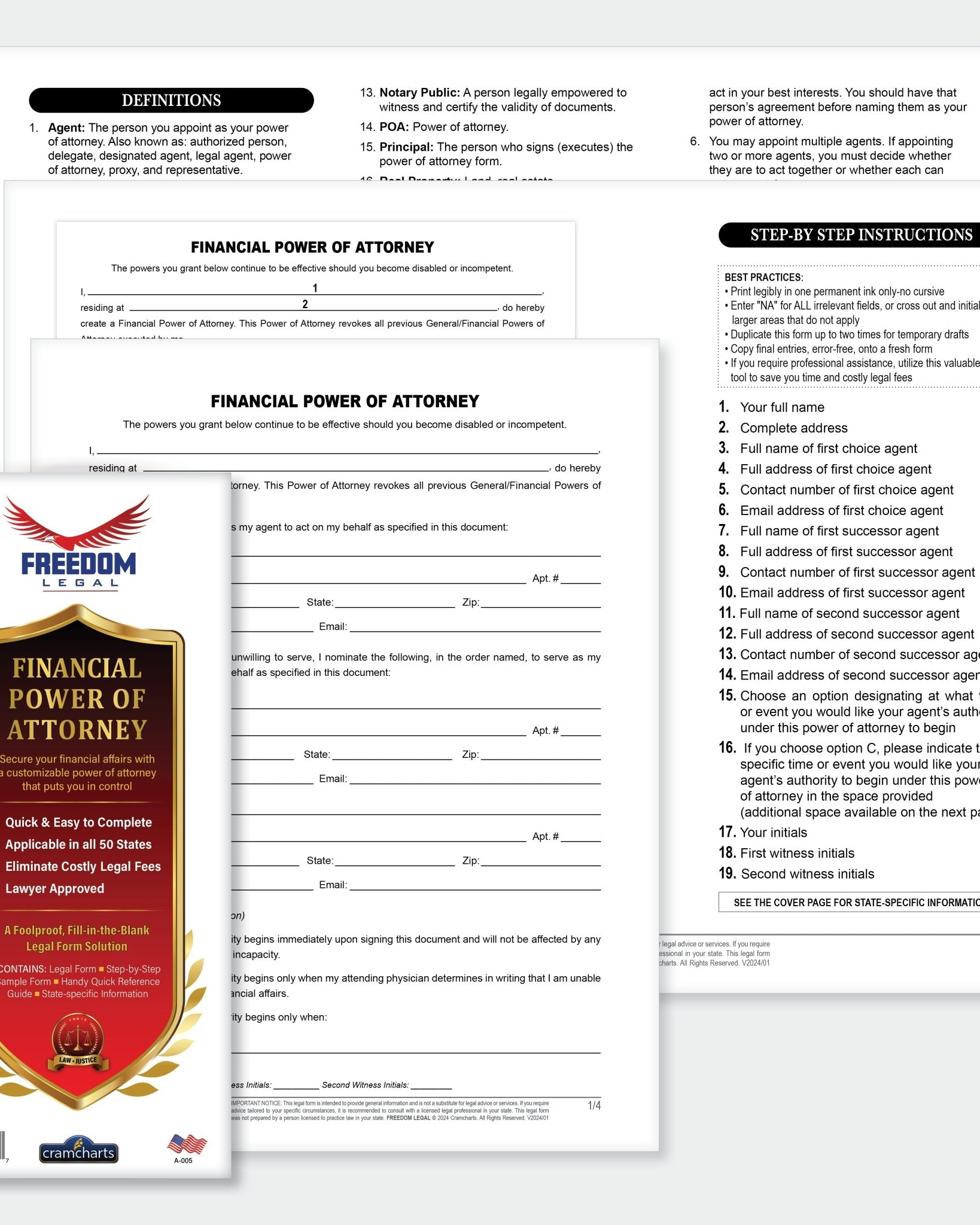
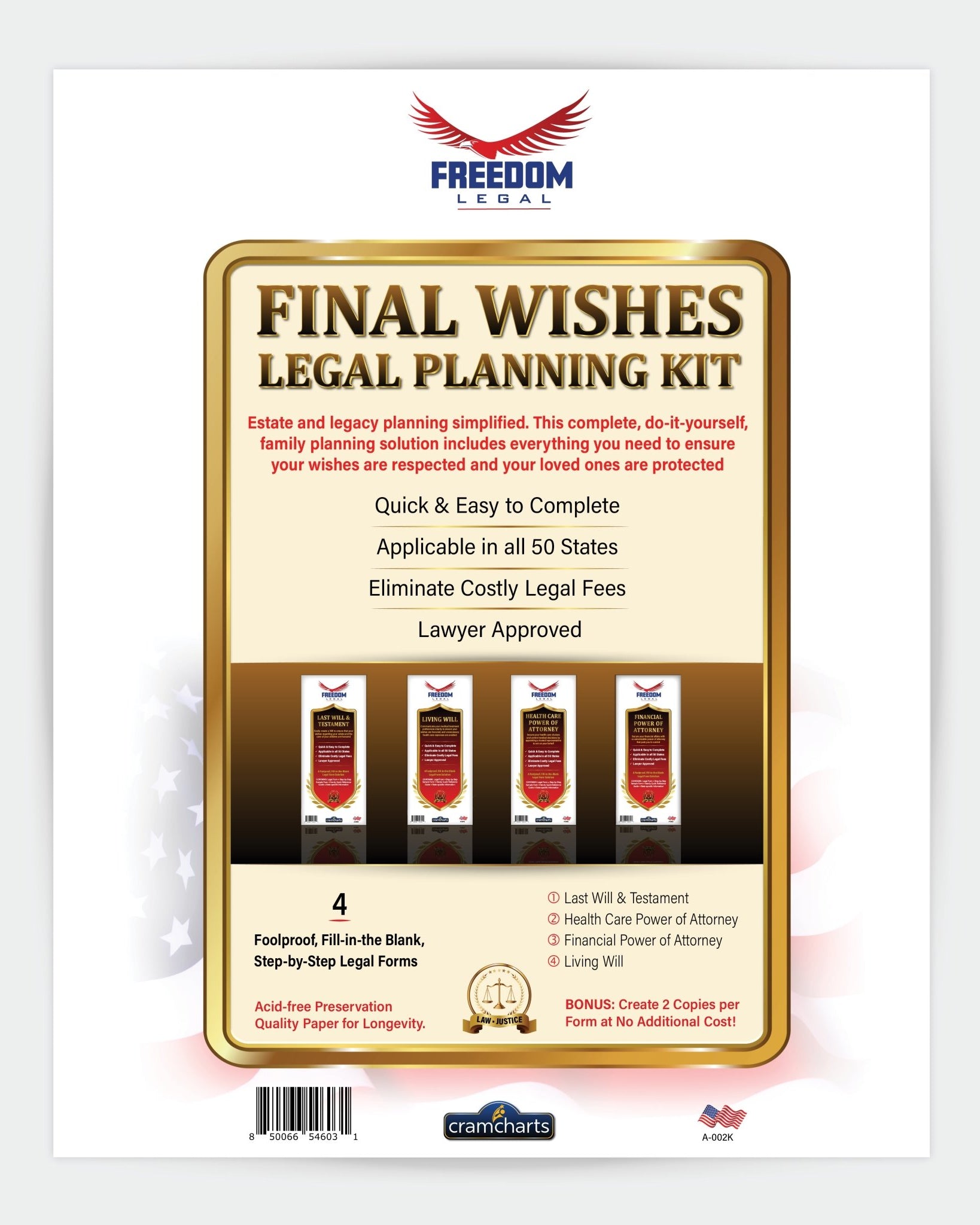
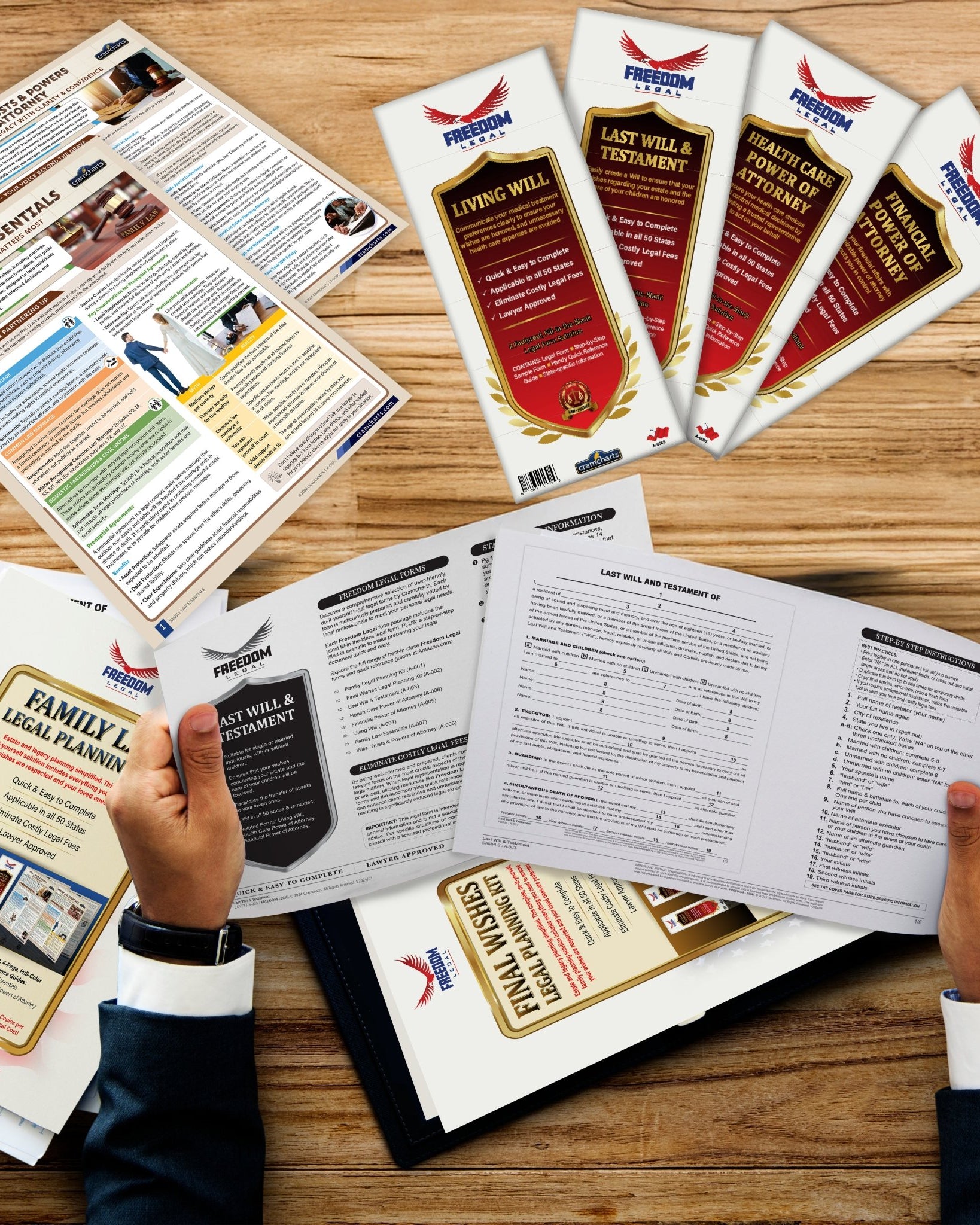
Instead of struggling with complex legal terminology or expensive processes, Cramcharts provides ready-to-use, fillable legal documents that make planning simple and practical.
Key Benefits
-
Professionally structured legal document templates
-
Easy-to-fill format with clear instructions
-
Saves time and reduces legal confusion
-
Helps you take action without delays
-
Designed for real-life use, not just learning
Who Should Use These Legal Documents?
These documents are designed for real-life legal planning, not just learning. They are ideal for anyone who wants to take control of their future decisions without unnecessary complexity.
Individuals Planning Ahead
-
Anyone who wants to clearly define their medical wishes and asset distribution
-
People looking to avoid confusion or legal disputes in the future
Families and Parents
-
Parents who need to assign guardianship for children
-
Families who want to ensure smooth transfer of assets and responsibilities
Working Professionals
-
Individuals with savings, property, or dependents
-
Those who want a simple, ready-to-use legal solution without spending excessive time or money
Seniors or Individuals Managing Healthcare Decisions
-
People who want control over end-of-life medical care
-
Those looking to reduce the burden on family members during critical situations
Anyone Who Wants a Simple DIY Legal Solution
-
People who prefer structured, fillable legal documents over complicated legal processes
-
Individuals who want to act now instead of delaying important decisions
Going Beyond: Complete Legal Planning
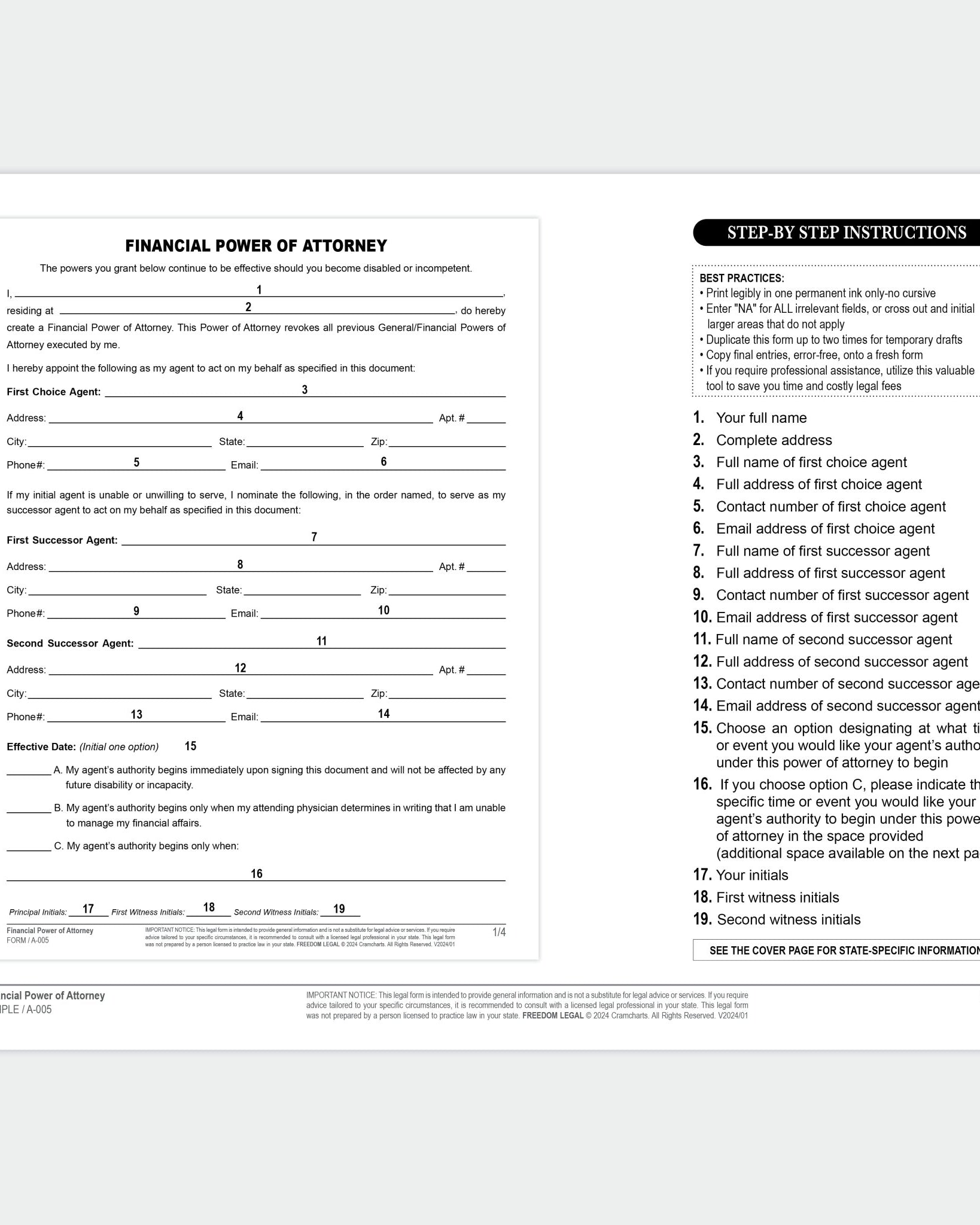
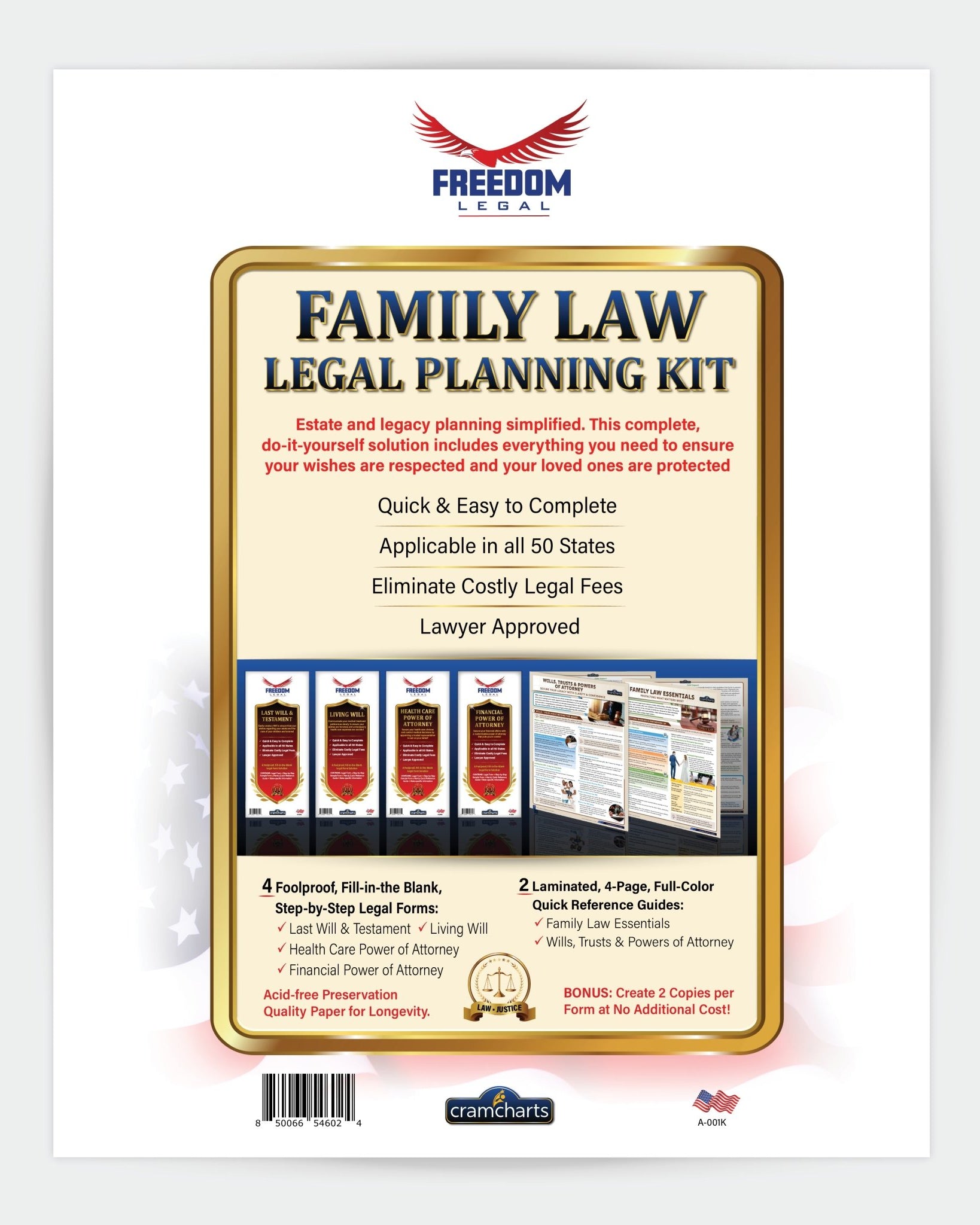
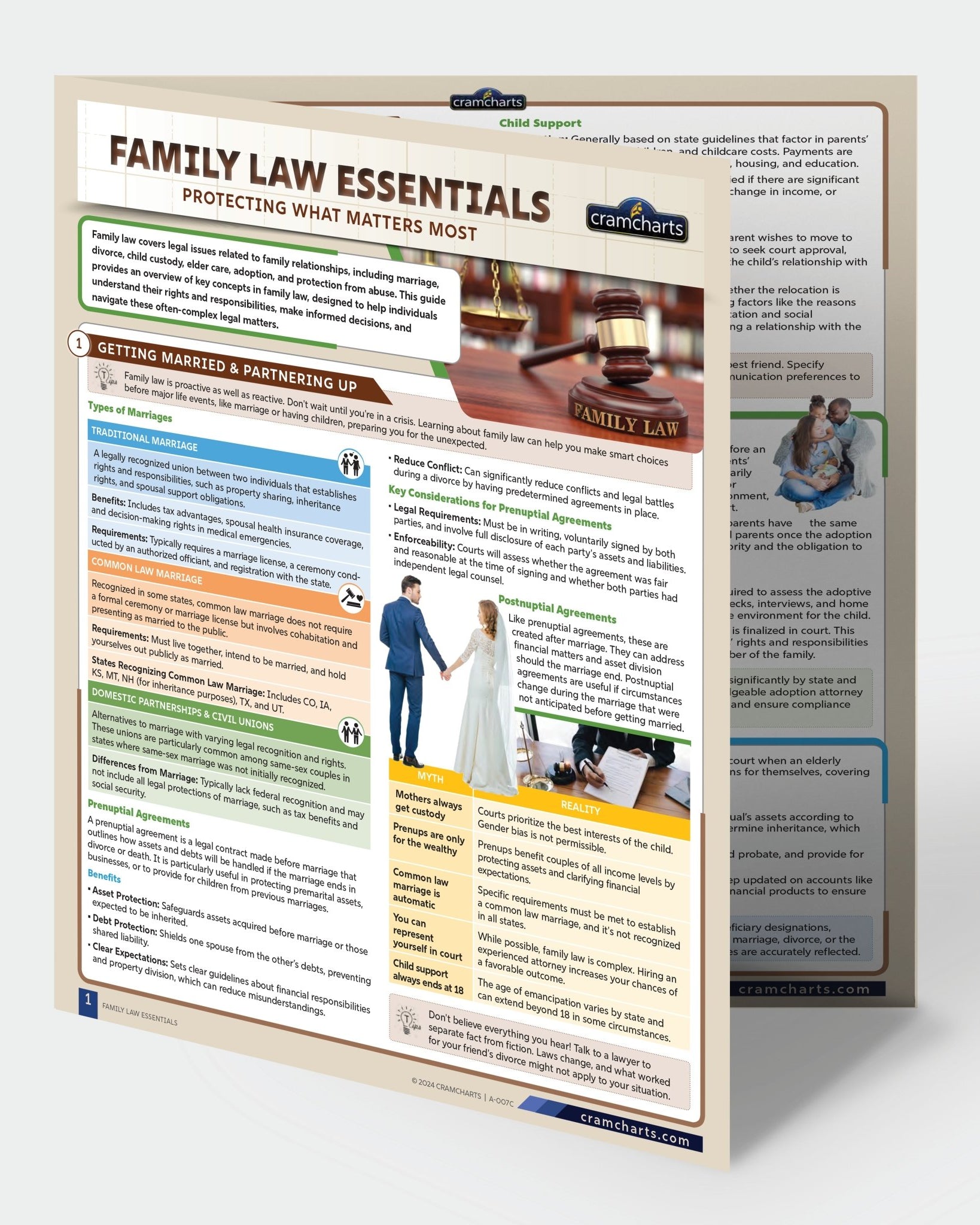
Creating a living will or last will is a great first step—but complete legal planning involves more than just one document. To fully protect your future, it’s important to understand how different legal tools work together.
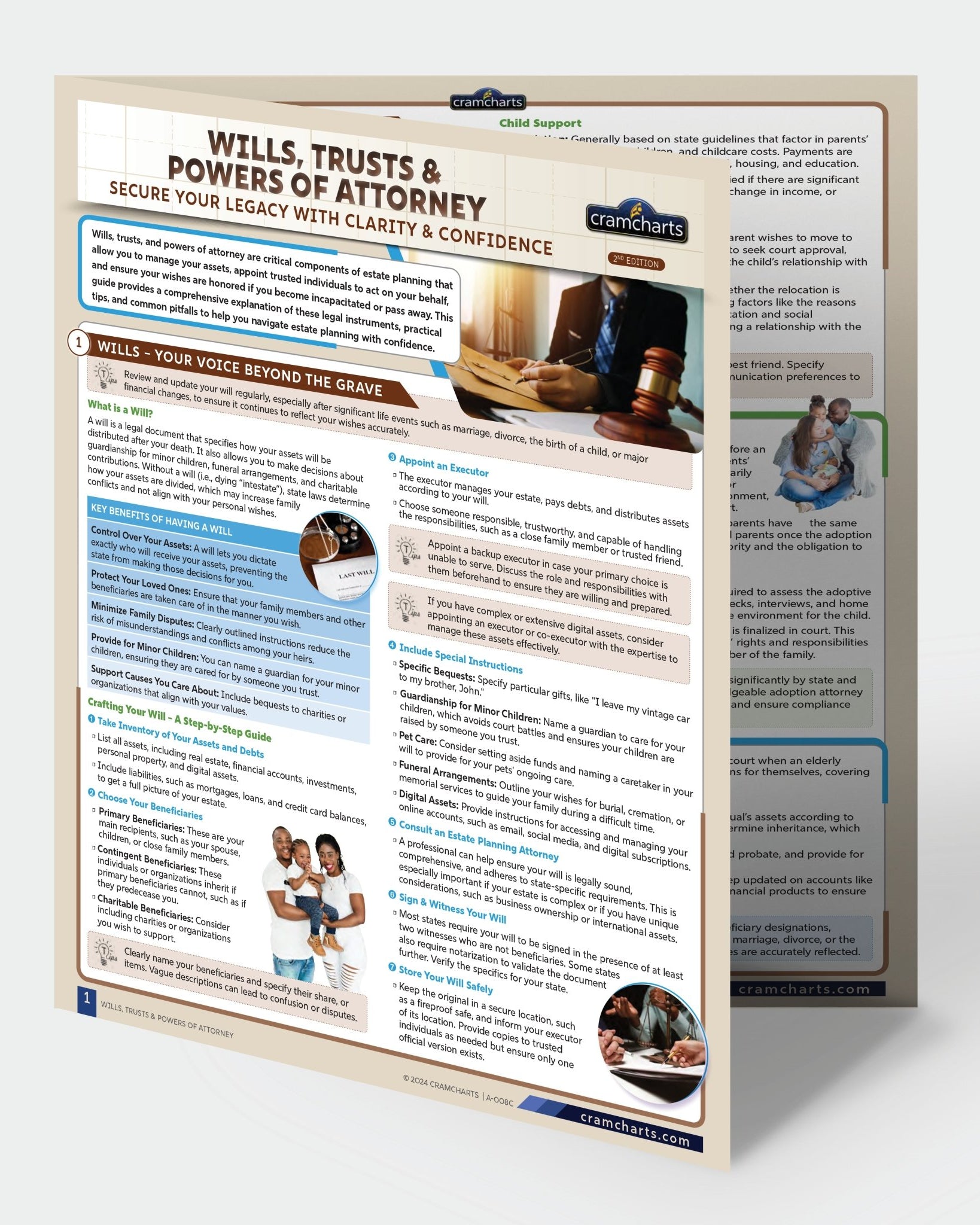
You can explore the Wills, Trusts & Powers of Attorney guide
How This Helps
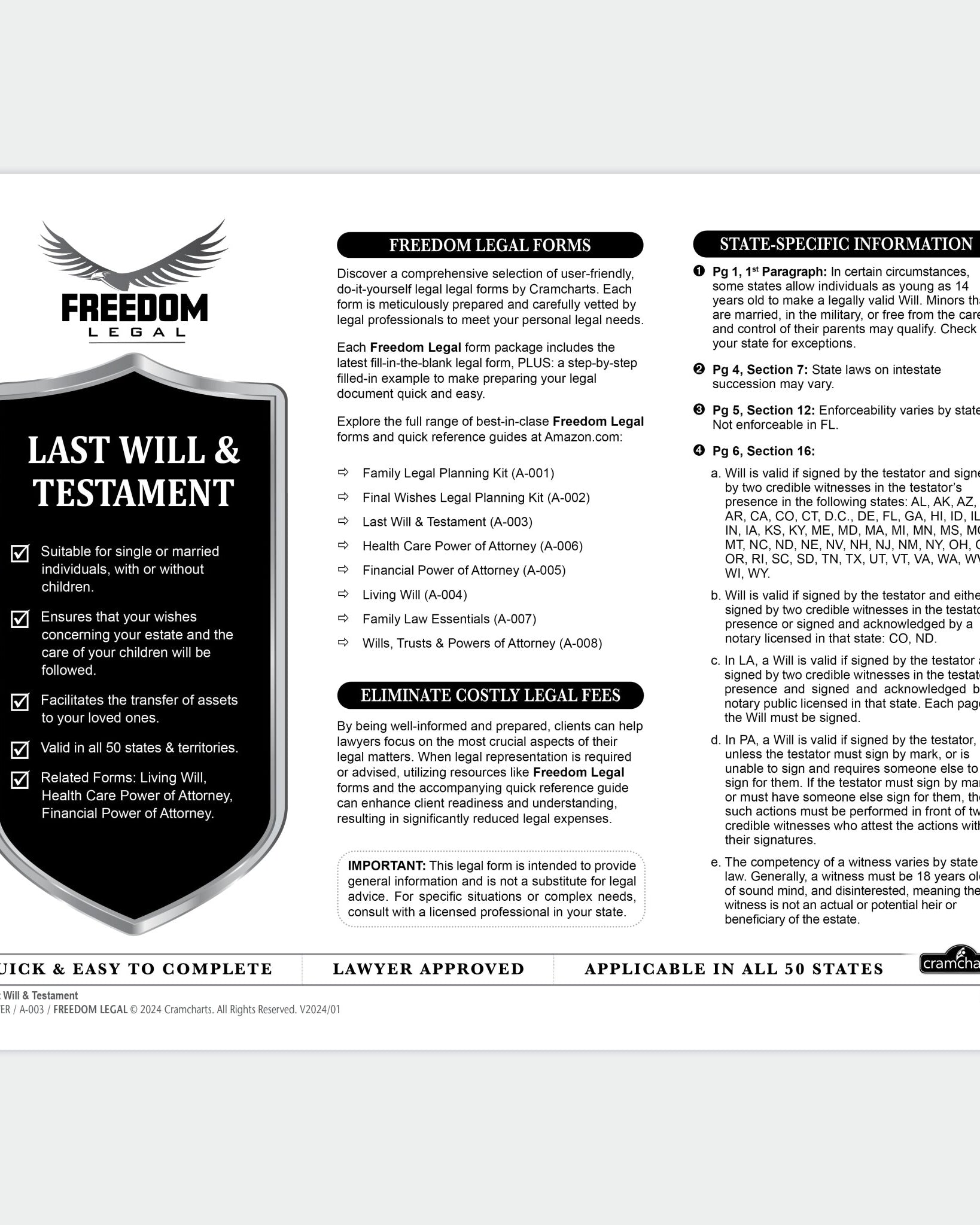
While your Living Will and Last Will & Testament are actual legal documents you can fill and use, this guide acts as a supporting reference to help you understand the bigger picture.
It covers key concepts like:
-
How wills, trusts, and powers of attorney differ
-
When each document is needed
-
How they work together in real-life situations
Why This Matters
Legal planning isn’t just about filling out one form—it’s about making informed decisions across multiple areas of your life.
By combining:
-
Ready-to-use legal documents (for action)
-
Clear visual guidance (for understanding)
You get:
-
A complete and practical planning system
-
Better long-term clarity and confidence
-
Smarter, well-informed decision-making
How to Choose the Right One for Your Situation
Step-by-Step Guide
-
Assess Your Needs
-
Concerned about medical decisions? → Living Will
-
Want to manage assets? → Last Will
-
Consider Your Life Stage
-
Young professionals → Start with basics
-
Families → Prioritize both
-
Use Visual Tools
-
Simplify learning with charts
-
Avoid confusion and mistakes
-
Take Action Early
-
Don’t wait for emergencies
-
Planning ahead reduces stress
FAQs (People Also Ask)
1. What is the main difference between a living will and a last will?
A living will covers medical decisions during your lifetime, while a last will manages asset distribution after death.
2. Do I need both a living will and a last will?
Yes, most people benefit from having both for complete planning.
3. When does a living will take effect?
It takes effect when you are unable to communicate your medical decisions.
4. Can I create these documents without legal knowledge?
Yes, using structured guides like charts can simplify understanding before consulting professionals.
5. What is the easiest way to understand legal planning documents?
Visual learning tools like Cramcharts make complex concepts simple and easy to remember.