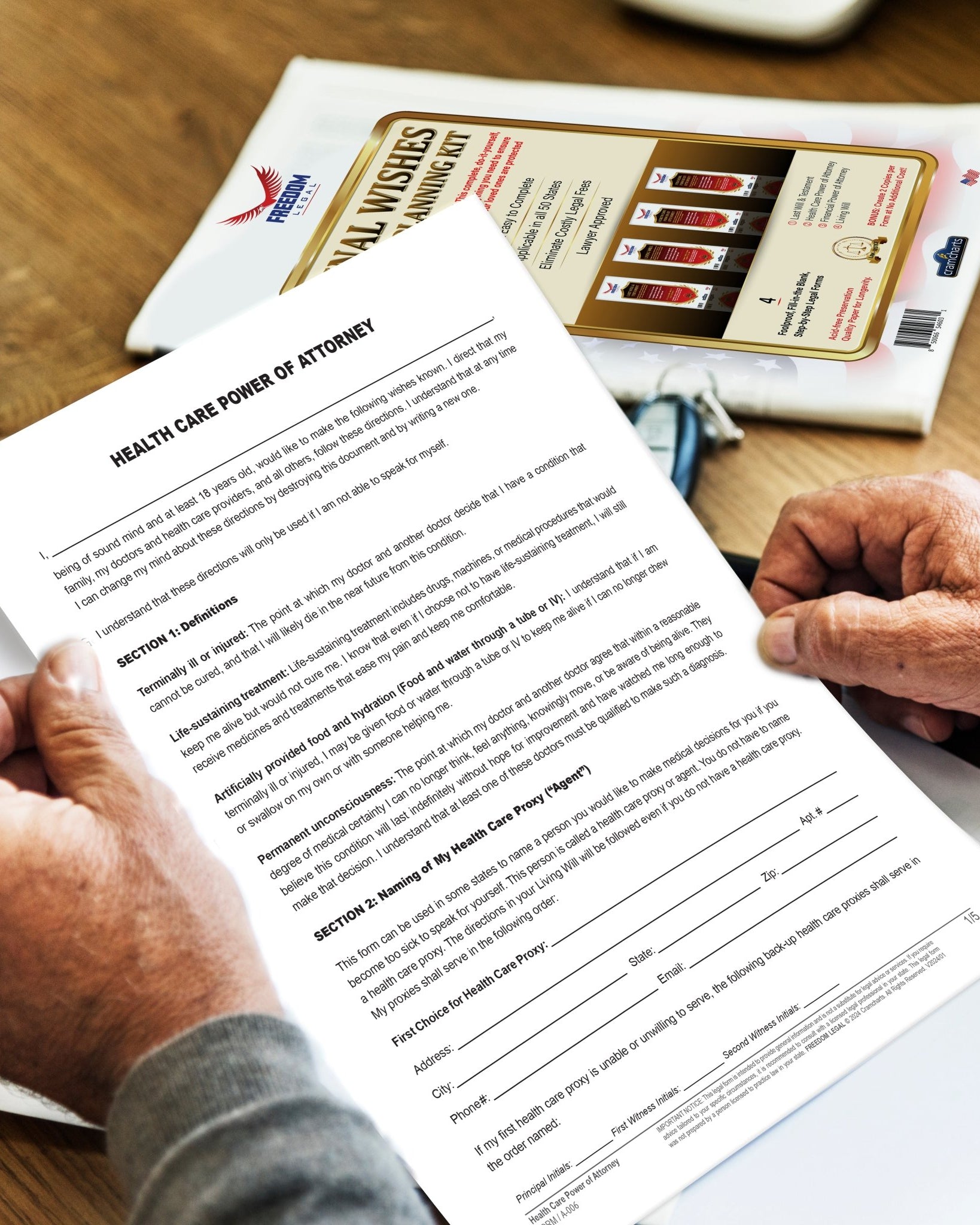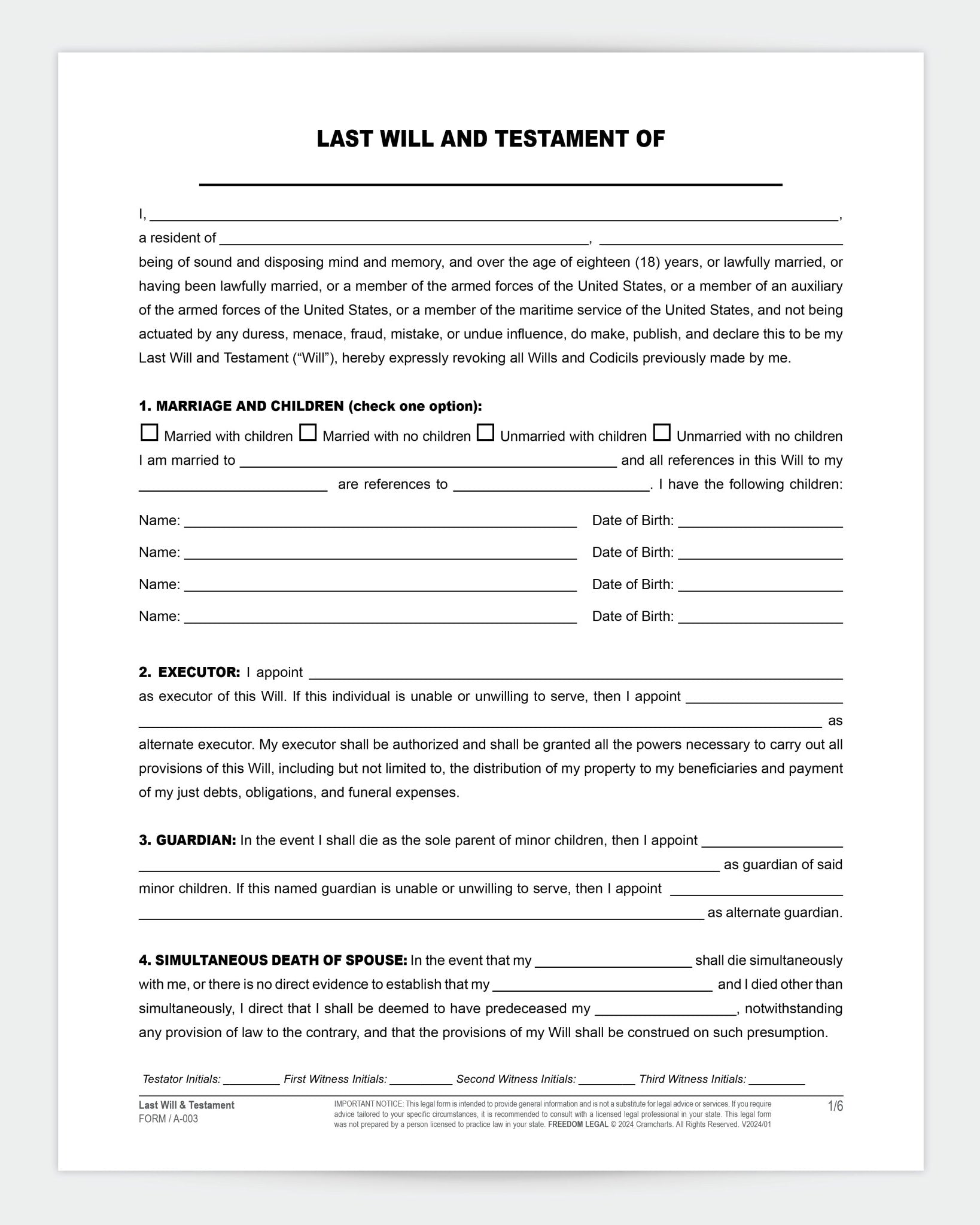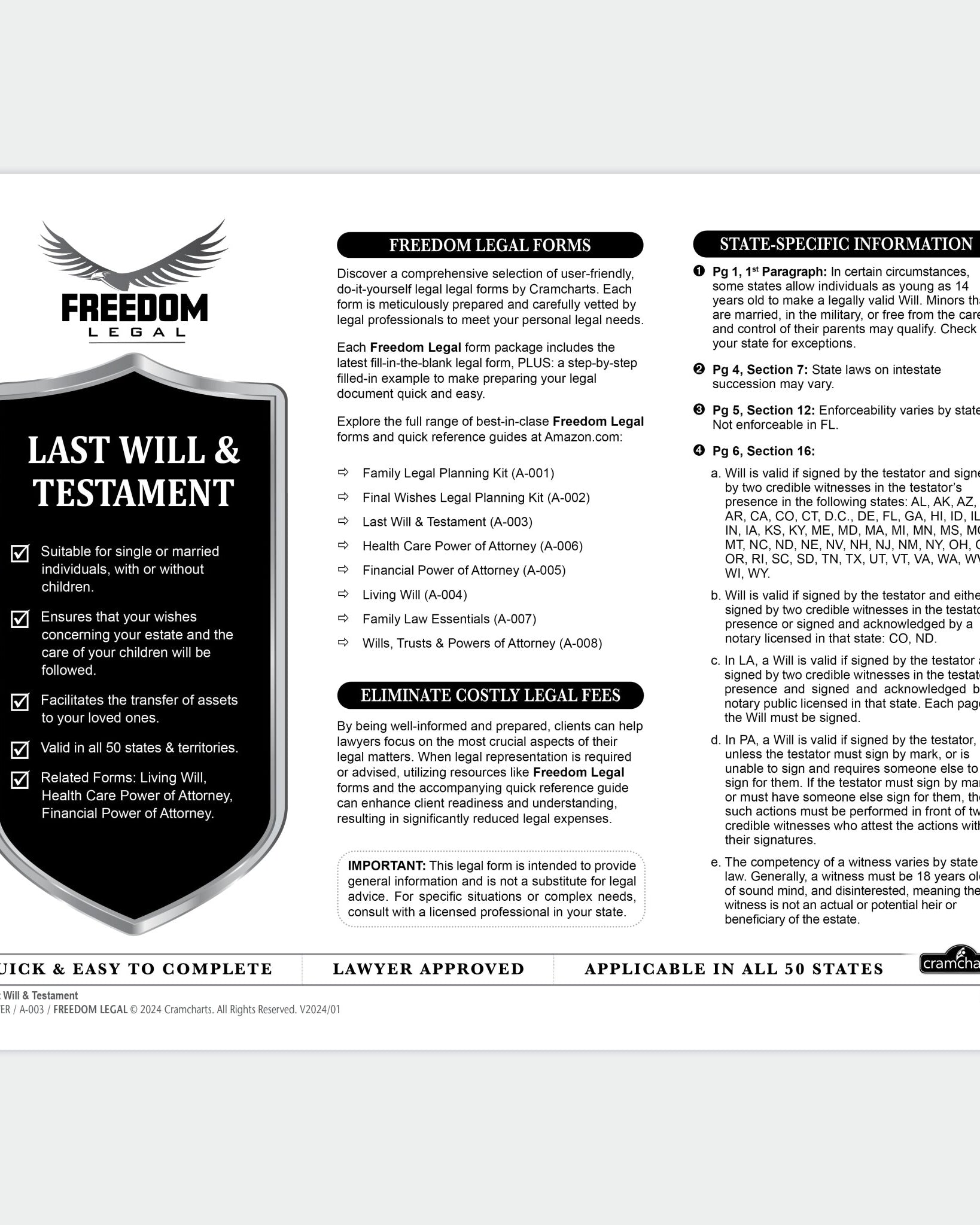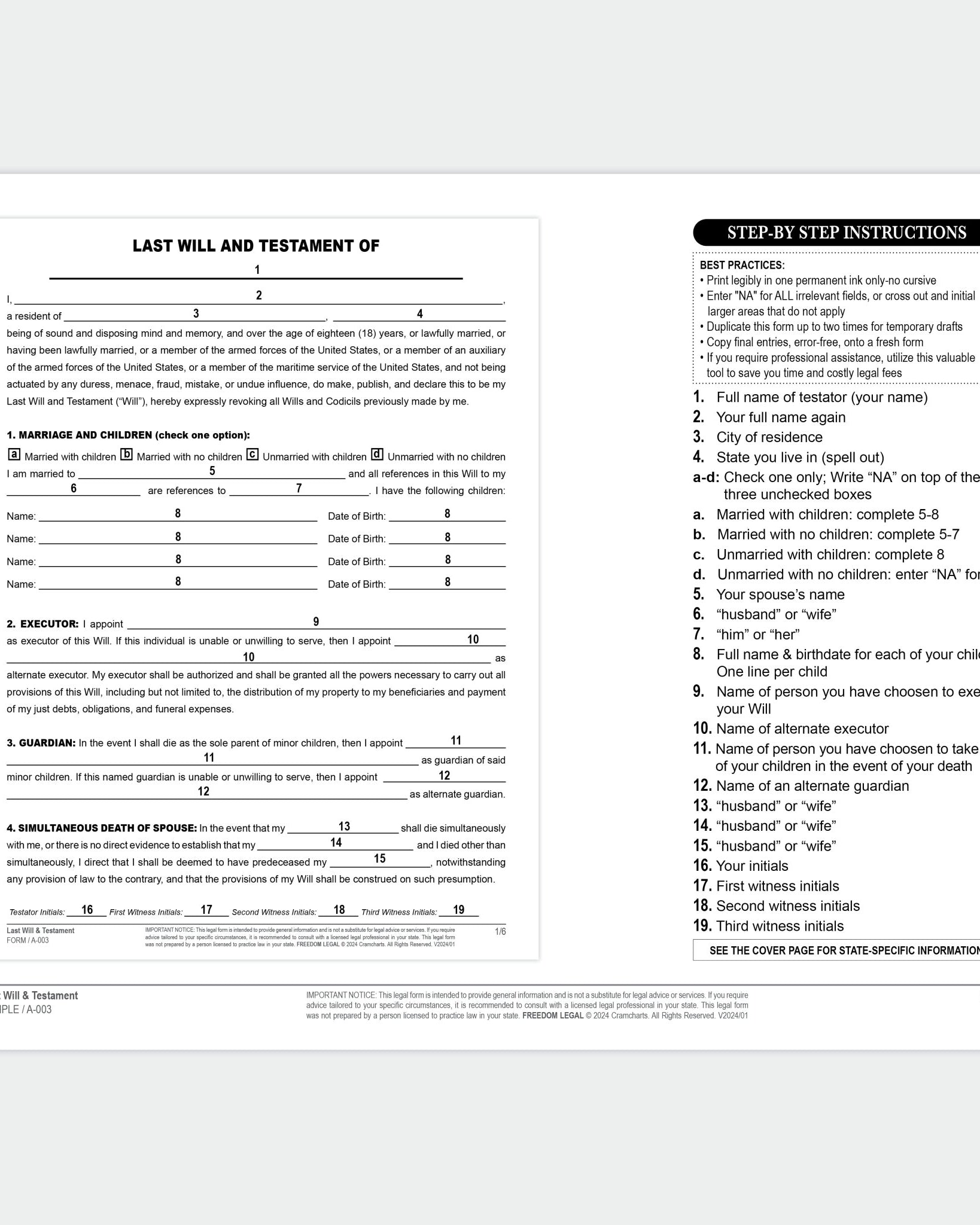


Most people assume their family will “figure things out” during a medical emergency. But when serious illness or injury happens unexpectedly, not having your wishes documented can create confusion, stress, and difficult decisions for your loved ones.
A living will is one of the most important legal documents you can prepare for yourself and your family. It gives clear instructions about your medical treatment preferences if you become unable to communicate.
Without one, your healthcare choices may be left entirely in the hands of doctors, hospitals, or family members who may not fully understand what you would have wanted.
That’s why many families today are choosing a reliable living will kit to prepare ahead and protect their future with confidence.
What Is a Living Will?
A living will is a legal document that explains your medical treatment preferences in situations where you cannot speak for yourself.
It typically covers decisions related to:
- Life support
- Artificial breathing
- Feeding tubes
- Resuscitation (CPR)
- Pain management
- End-of-life care
Unlike a traditional will, which deals with property and assets after death, a living will focuses specifically on healthcare decisions while you are still alive.
Many people searching for “living will vs will” are surprised to learn that both documents serve completely different purposes—and both are essential for a complete legal planning strategy.
What Can Happen If You Don’t Have a Living Will?
1. Your Family May Have to Make Difficult Decisions
Without written instructions, your loved ones may be forced to guess what medical care you would want.
This often creates emotional stress and disagreements between family members during already painful situations.
One person may want aggressive treatment while another believes comfort care is better. These conflicts can damage relationships and create long-term emotional burdens.
A properly completed living will kit removes uncertainty by clearly documenting your wishes in advance.
2. Doctors May Follow Standard Medical Procedures
Healthcare providers are legally required to preserve life whenever possible unless clear instructions state otherwise.
That means you could receive treatments you may not personally want, including:
- Extended life support
- Artificial nutrition
- Intensive medical interventions
- Emergency resuscitation
A living will helps ensure your personal healthcare values are respected.
3. You May Face Unnecessary Medical Costs
Critical care treatments can become extremely expensive.
Without a living will, families sometimes continue costly medical procedures simply because they are unsure what the patient would have wanted.
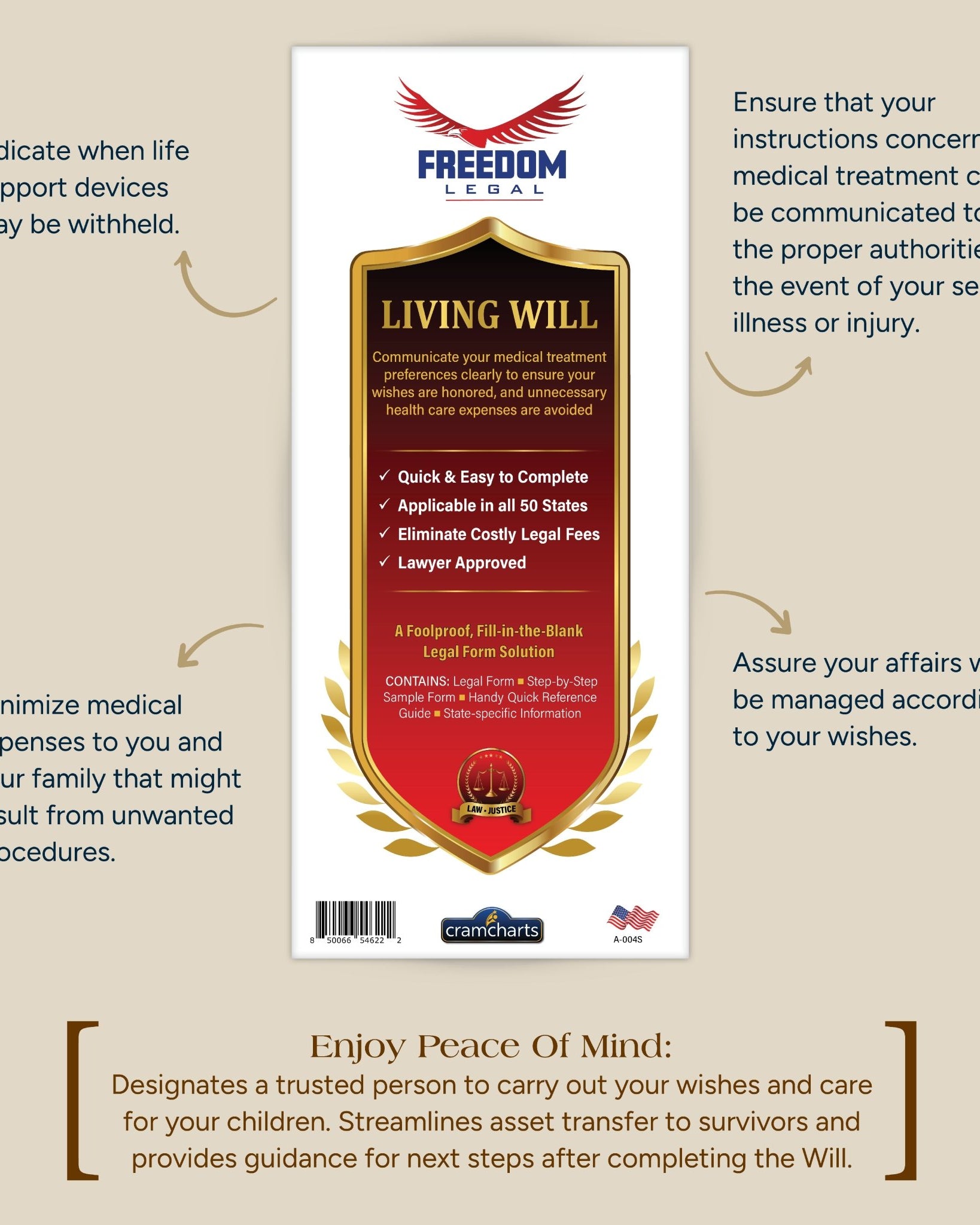
By clearly outlining treatment preferences, a living will can help reduce unnecessary medical expenses and avoid unwanted procedures.
4. Legal Complications Can Delay Decisions
In some cases, family members may need court approval to make certain healthcare decisions when no legal directives exist.
This process can take valuable time during medical emergencies.
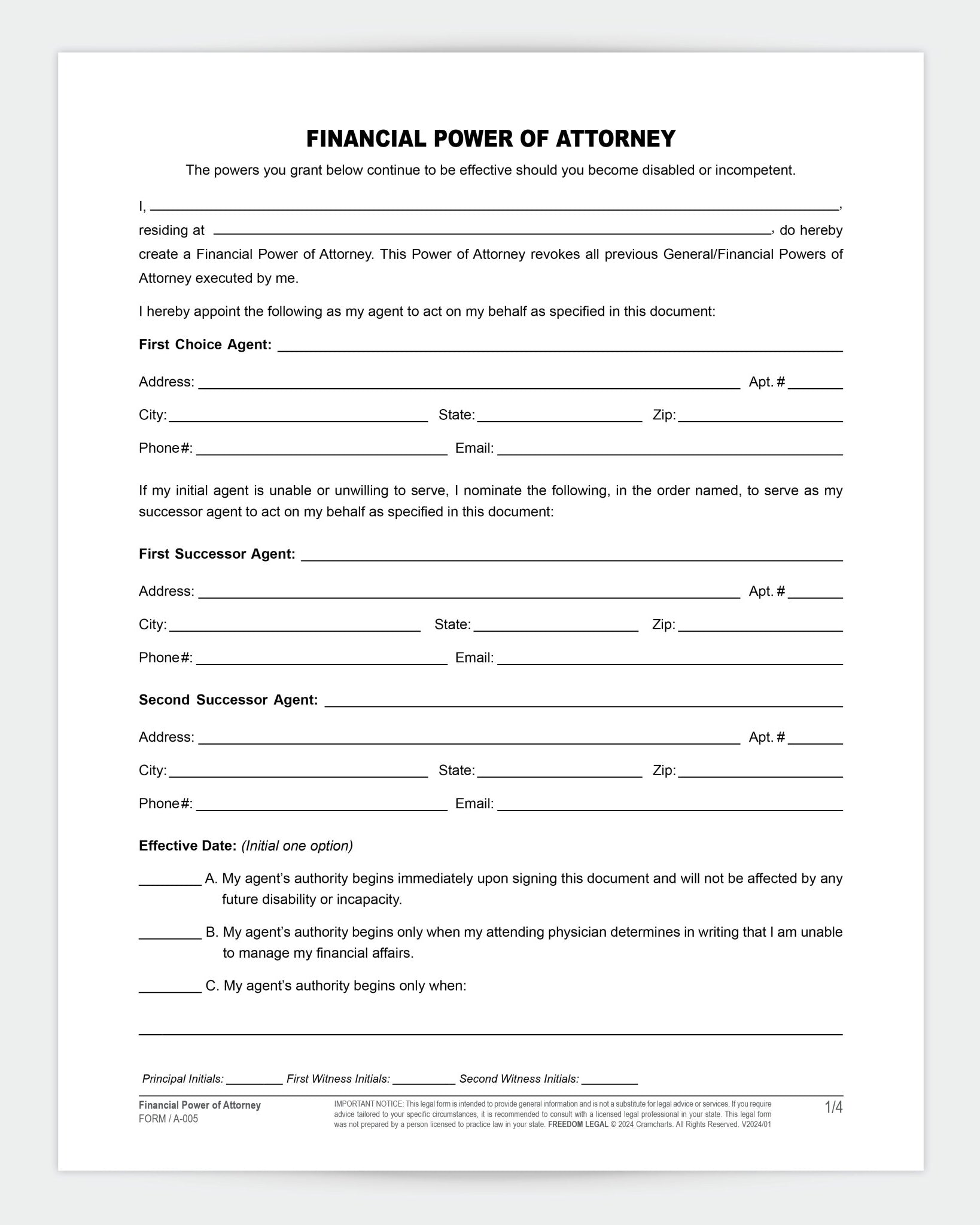
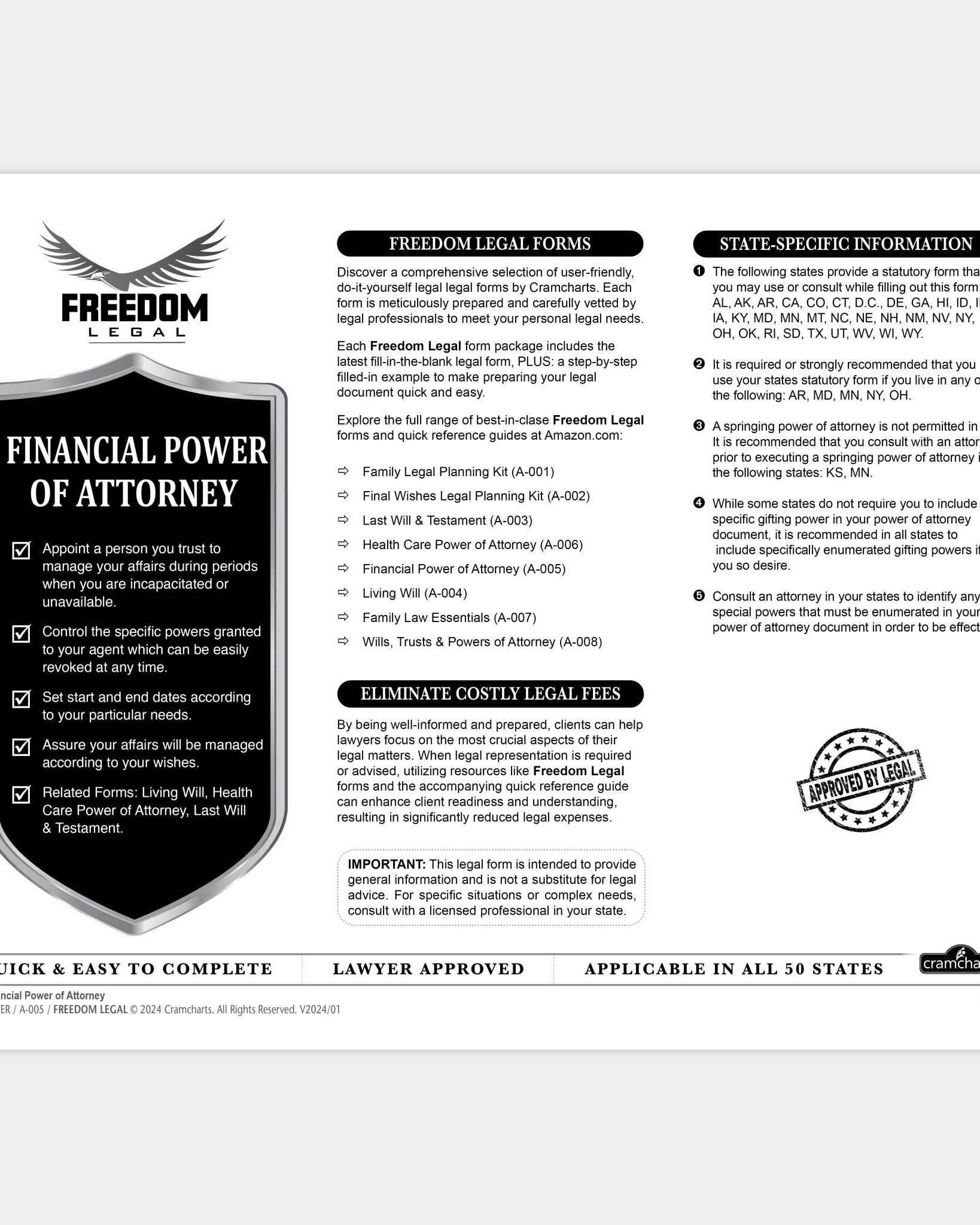
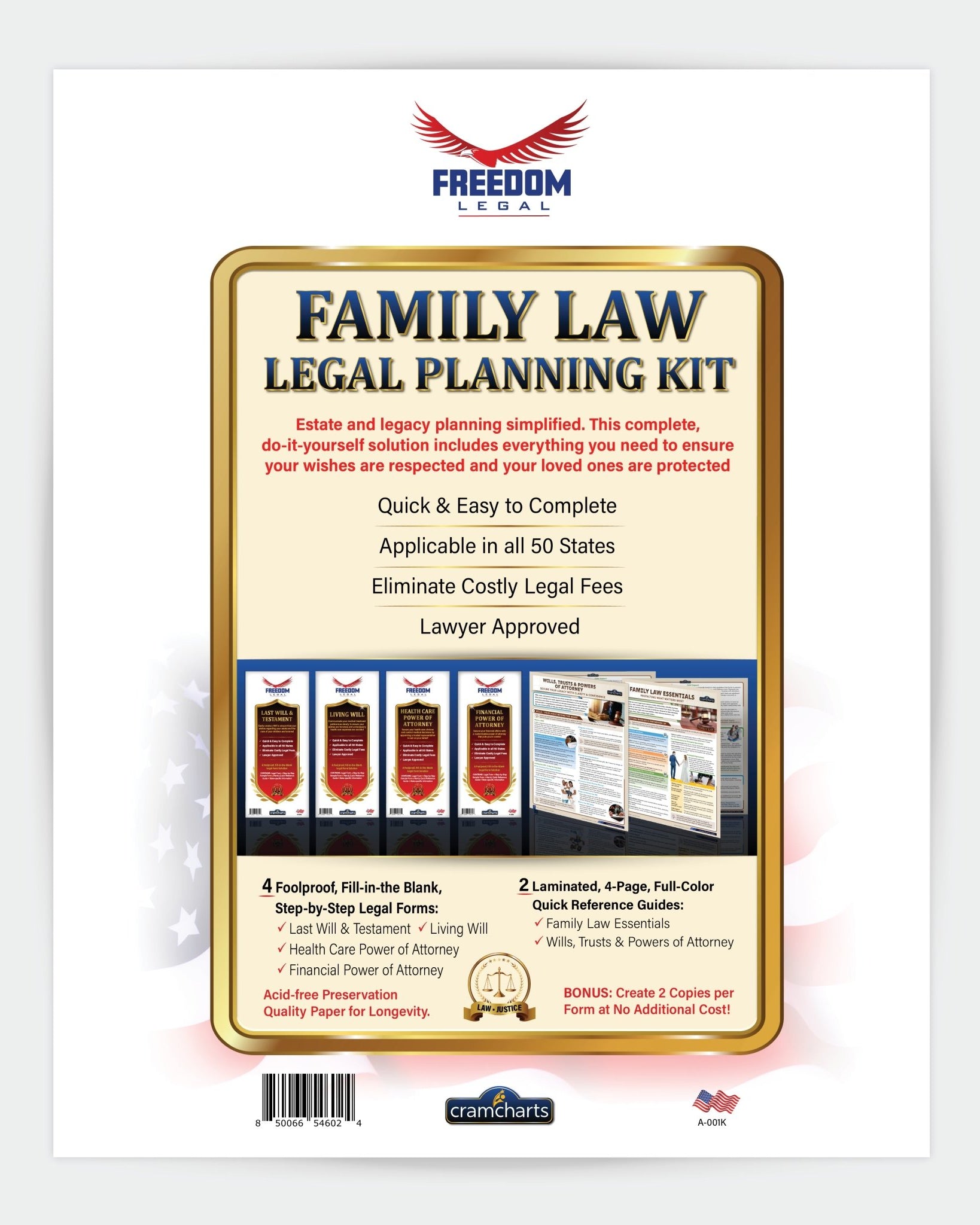
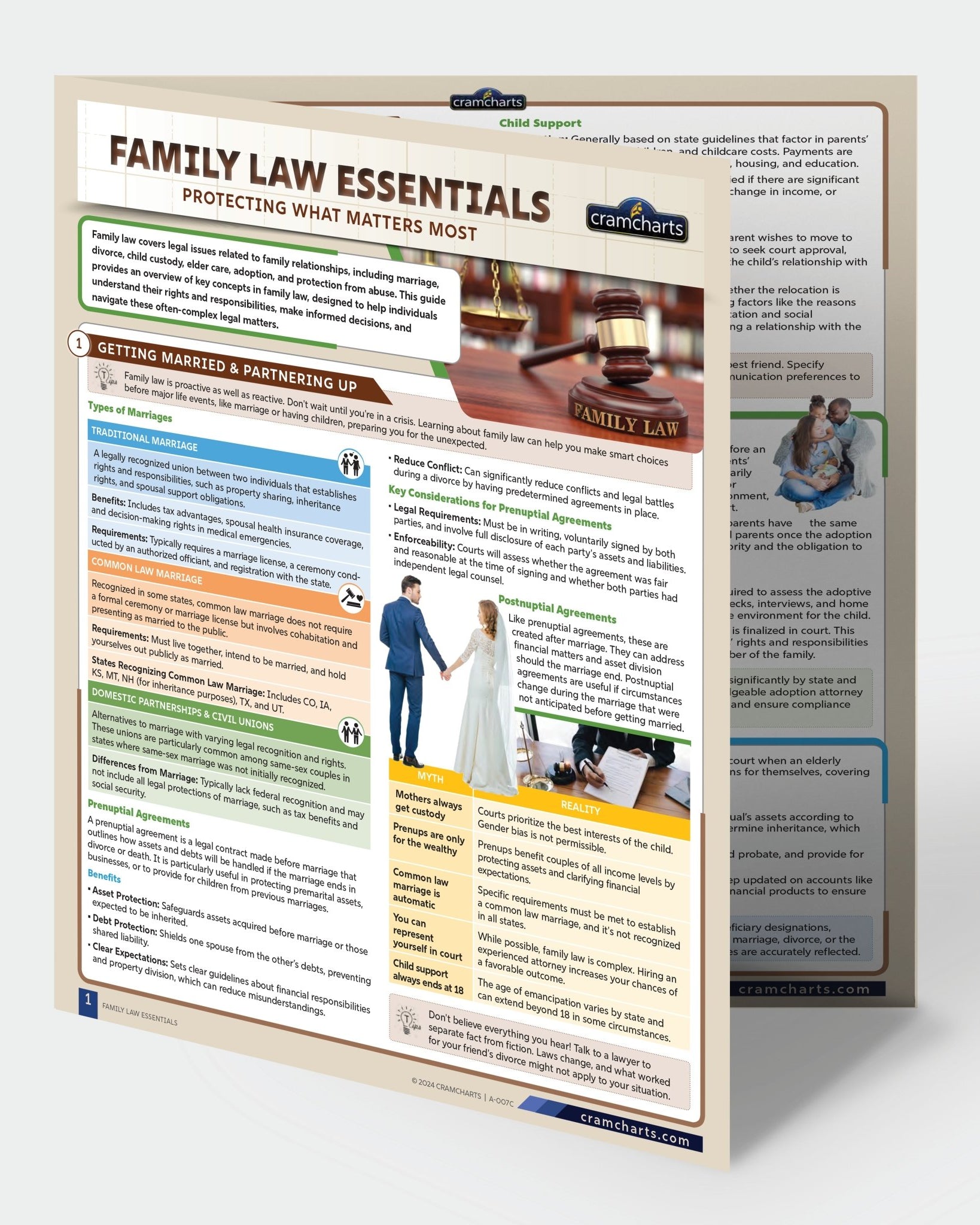
Using a trusted legal planning solution like the Cramcharts Family Law Legal Planning Kit can help families stay organized and prepared before unexpected situations occur.
Why More Americans Are Using a Living Will Kit USA
Many people delay legal planning because they assume it is expensive, complicated, or requires hiring a lawyer immediately.
But modern DIY legal forms have made the process much easier.
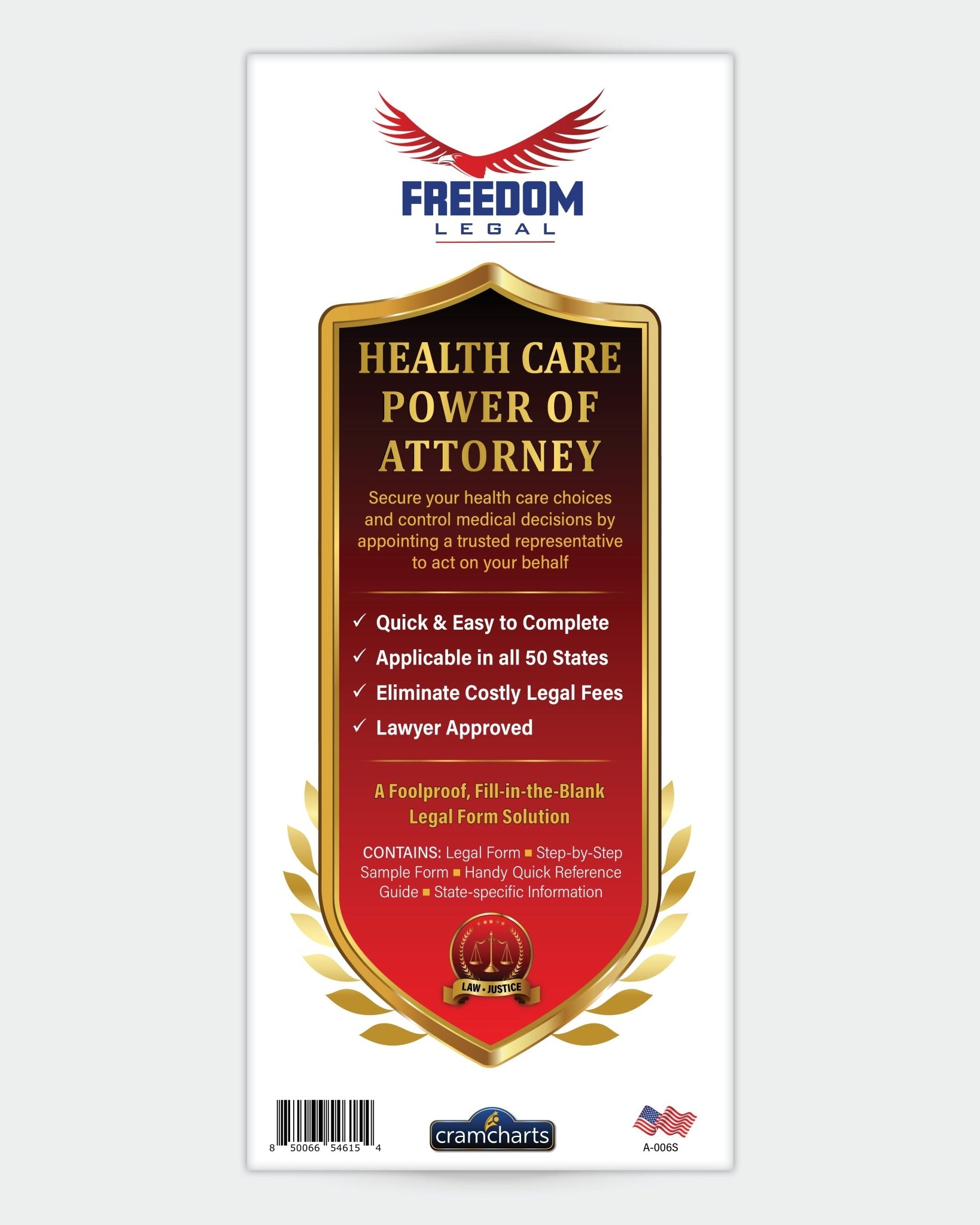
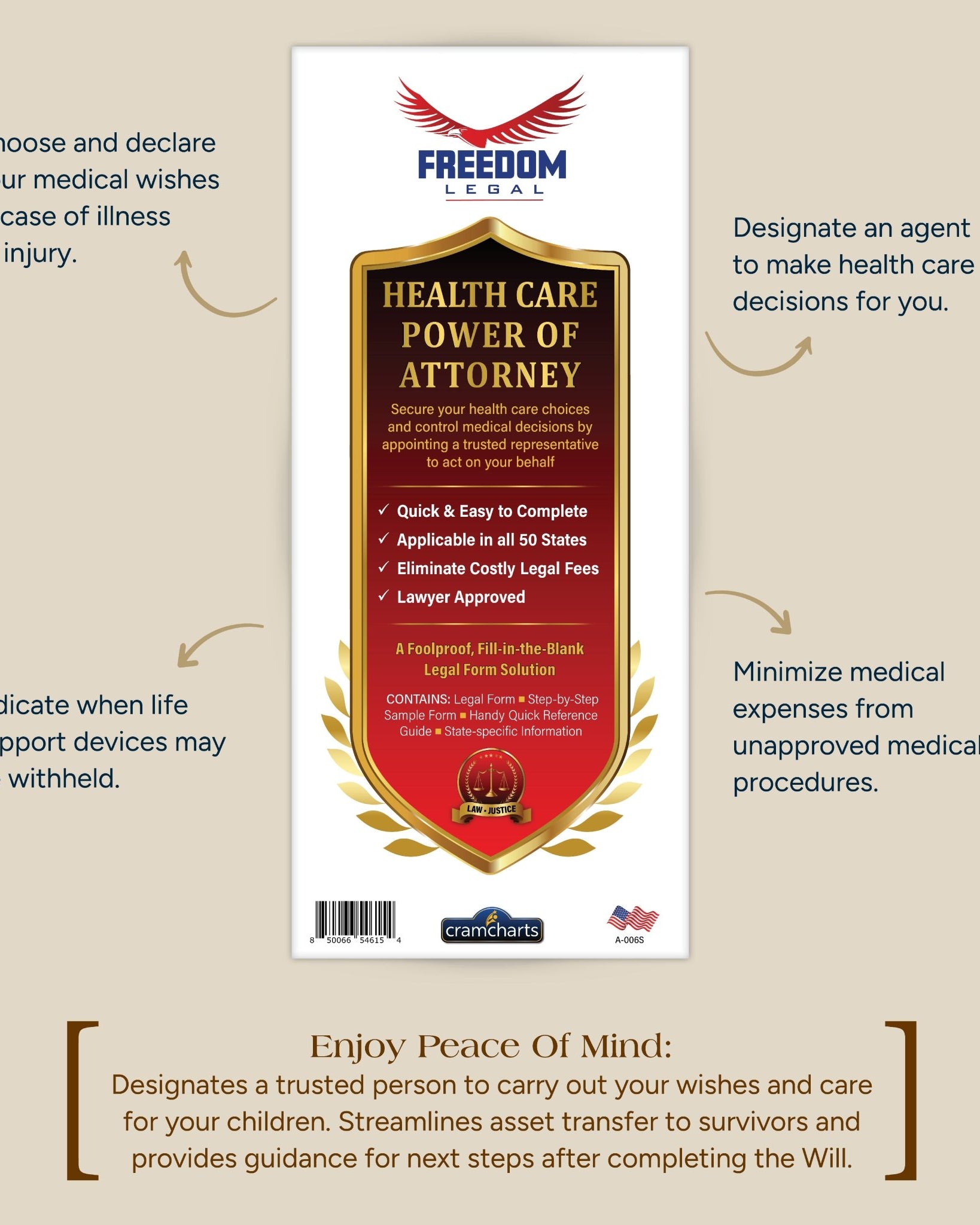
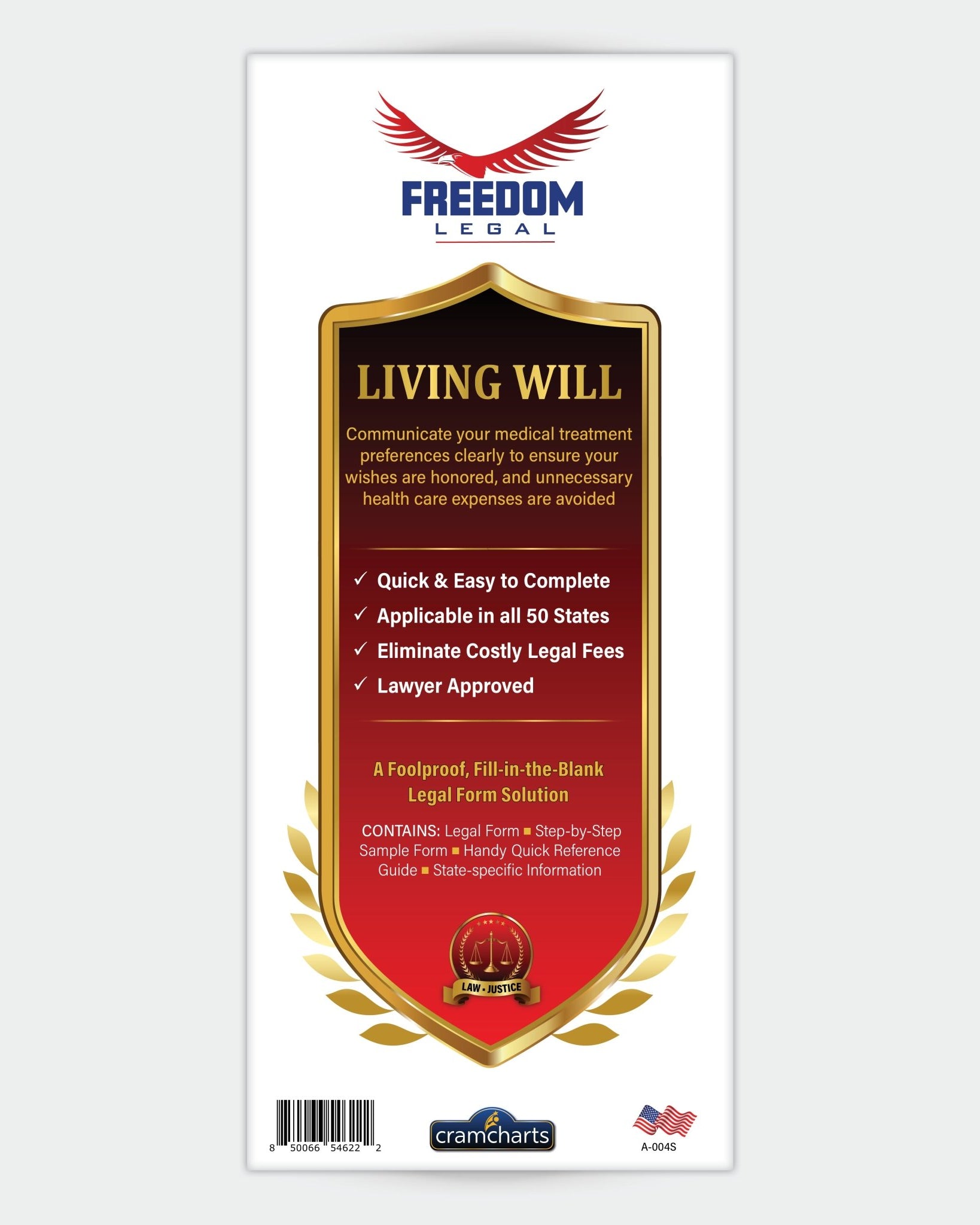
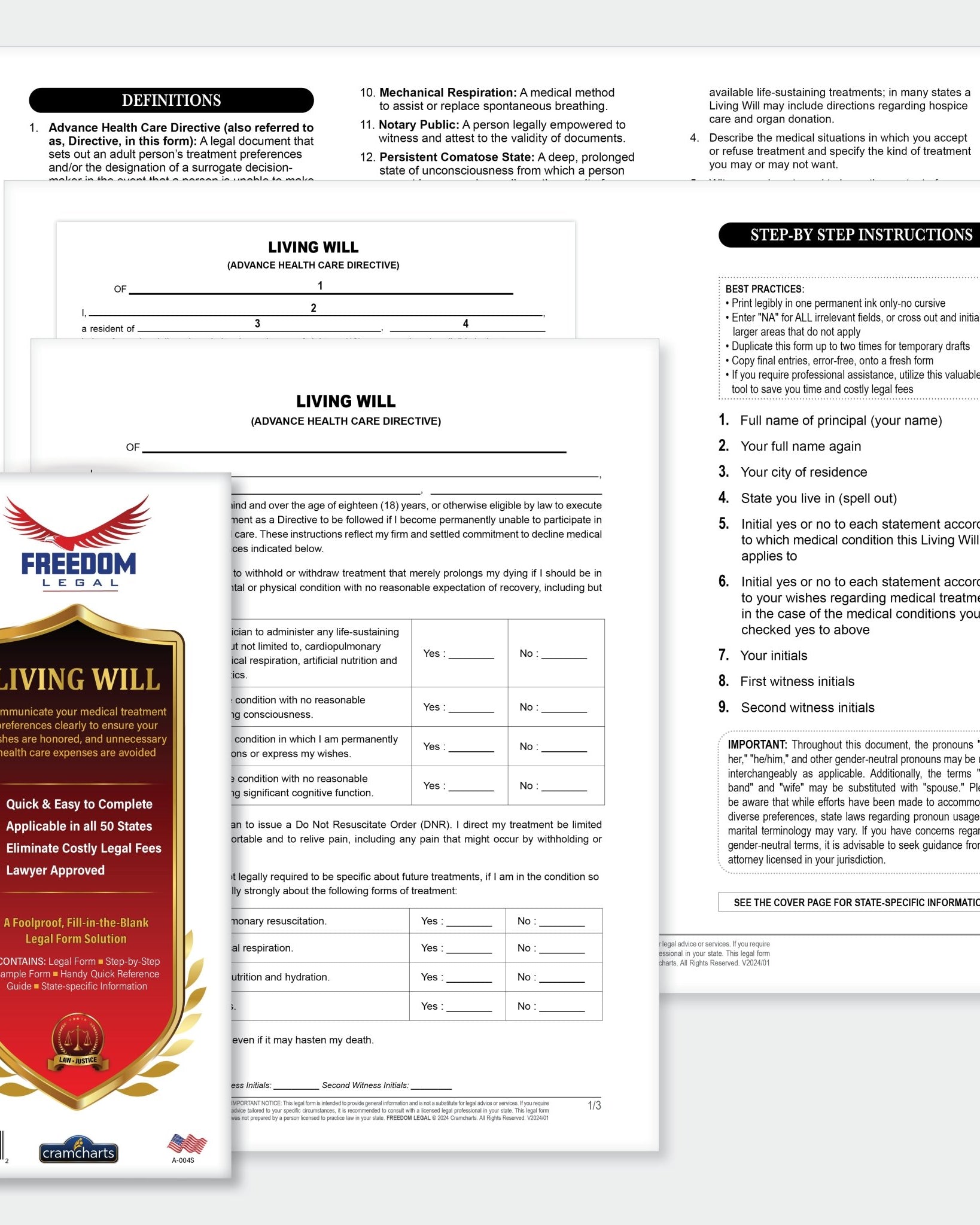
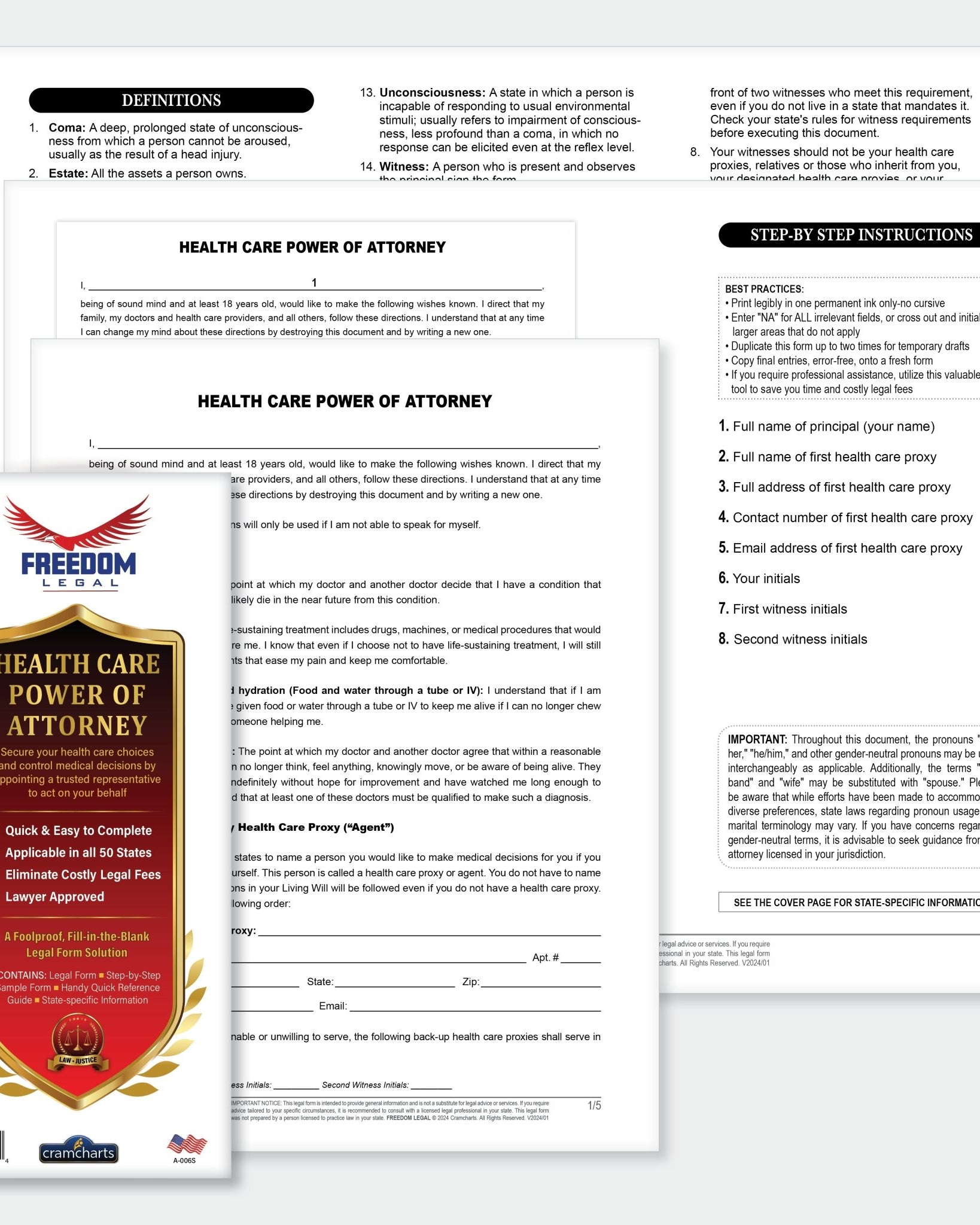
The Cramcharts Living Will form is designed specifically for everyday individuals and families who want a simple, lawyer-reviewed solution without unnecessary stress.
Key Benefits Include:
- Easy-to-follow instructions
- Valid in all 50 states
- Lawyer-reviewed forms
- Long-lasting archival-quality paper
- Sample forms included for guidance
- Affordable alternative to expensive legal fees
This makes it ideal for:
- Parents
- Seniors
- Caregivers
- Young adults
- Individuals with medical concerns
- Families planning ahead responsibly
Living Will vs Will: What’s the Difference?
Living Will
A living will explains your healthcare and medical treatment preferences while you are alive but unable to communicate.
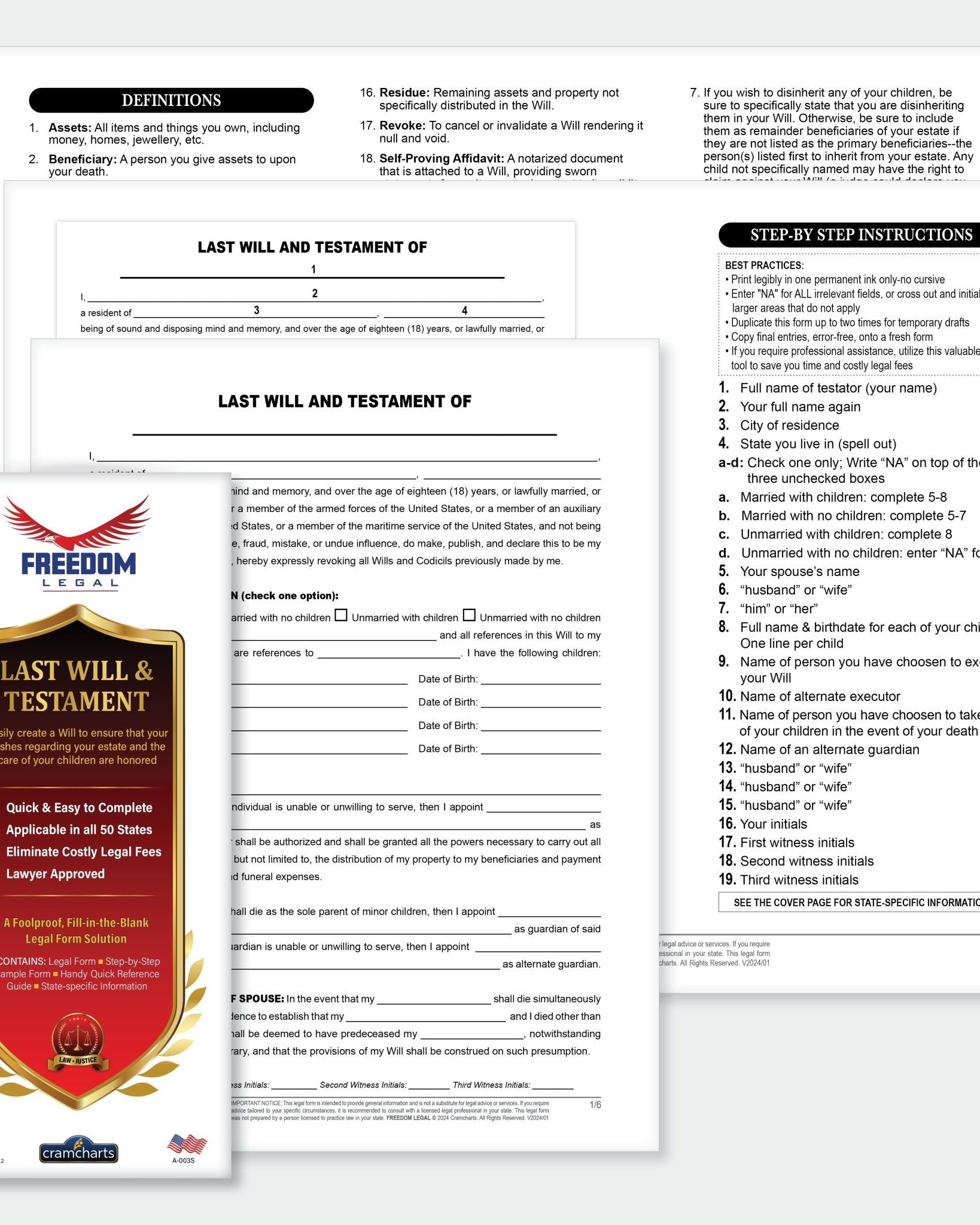
Last Will & Testament
A traditional will explains how your assets, property, and belongings should be distributed after death.
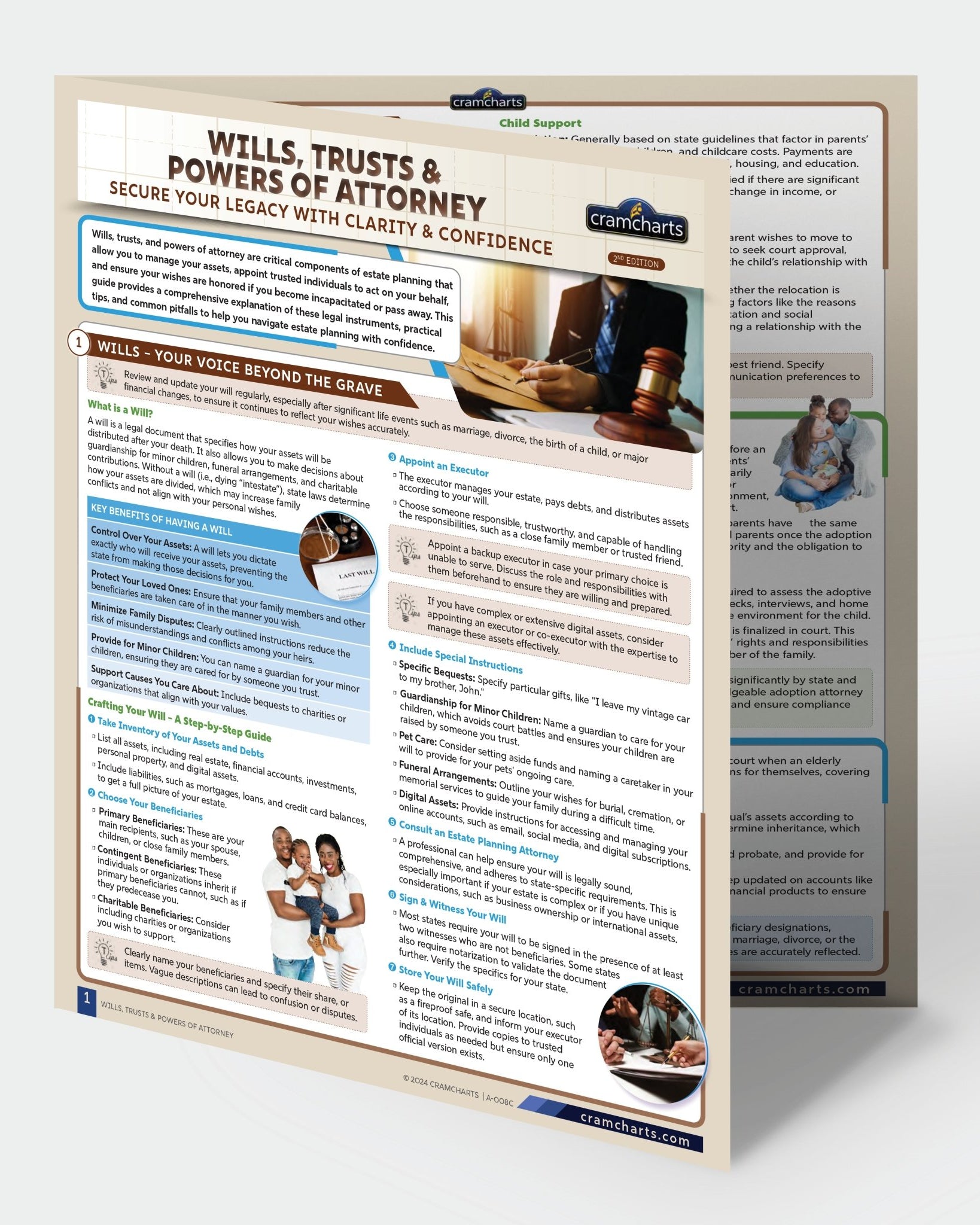
Both documents are important parts of a complete estate planning strategy.
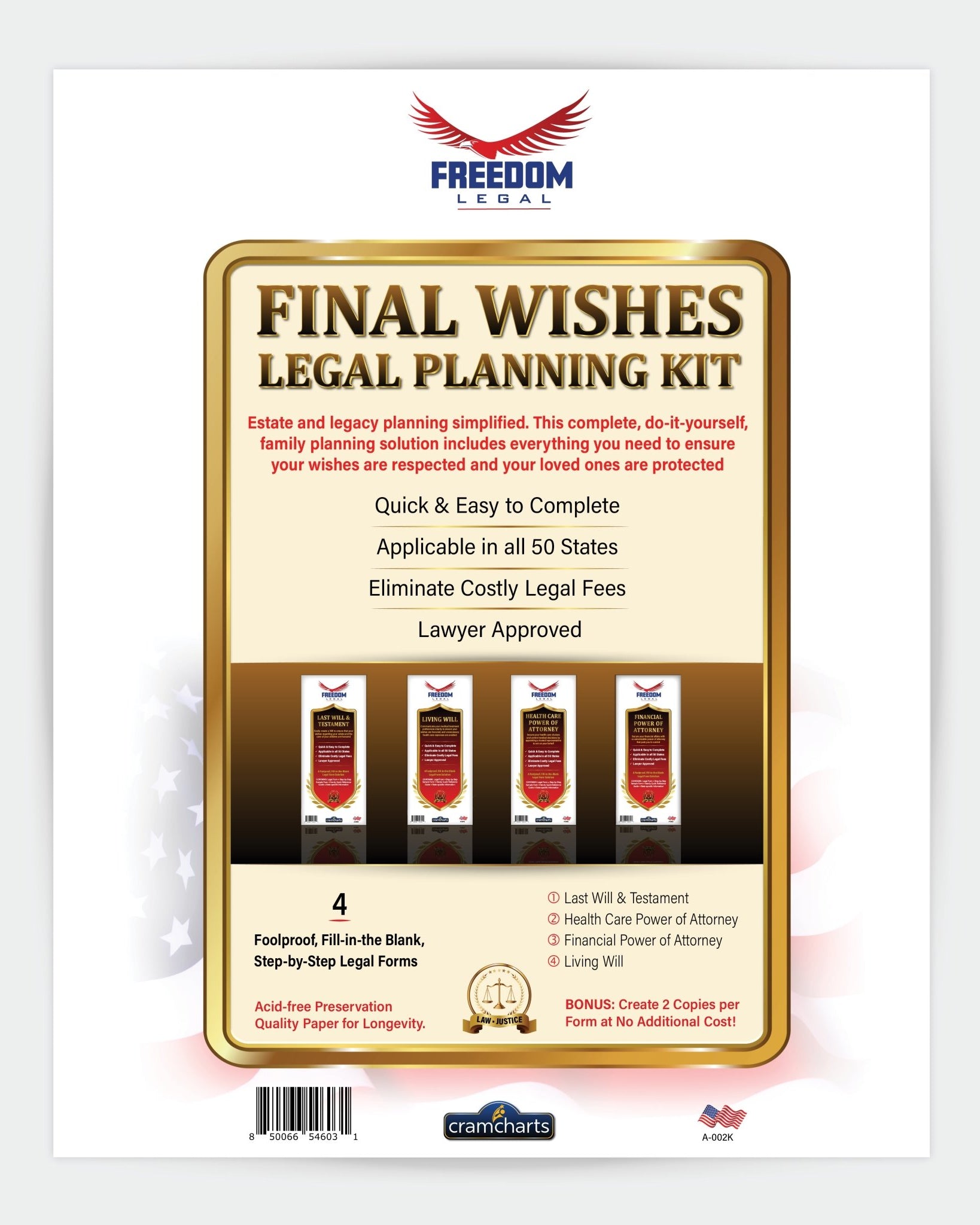
For families wanting more complete preparation, the Final Wishes Legal Planning Kit from Cramcharts helps organize important end-of-life instructions in one place.
Real-Life Situations Where a Living Will Matters
Serious Accident
A sudden car accident leaves someone unconscious for months. Without a living will, family members disagree on continuing life support treatment.
Terminal Illness
A patient with a progressive illness wants comfort-focused care instead of aggressive treatment. A living will ensures doctors honor those wishes.
Elder Care Planning
Adult children caring for aging parents often use living wills to reduce confusion and simplify healthcare decisions during emergencies.
How the Cramcharts Living Will Form Works
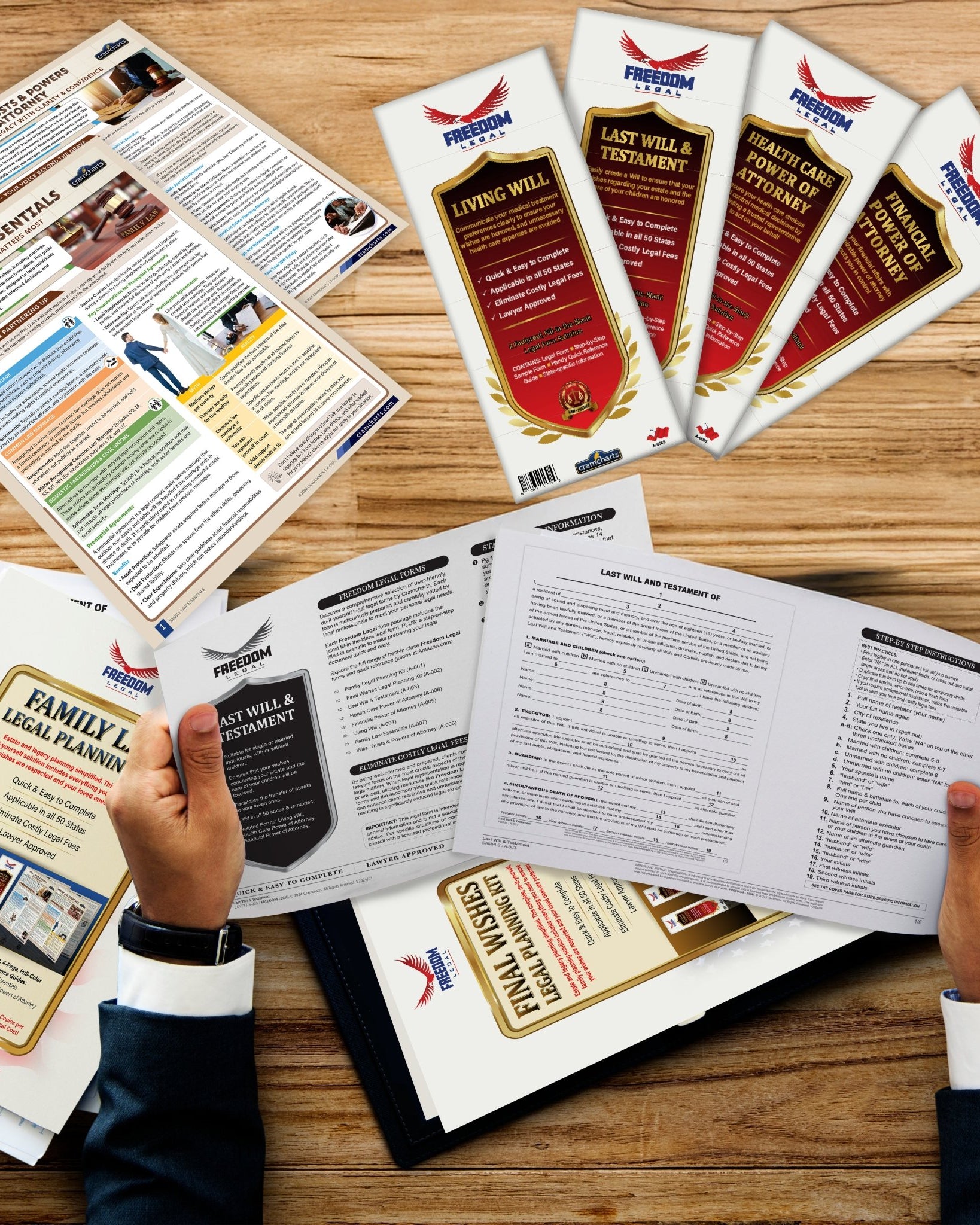
Cramcharts designed its legal forms to be beginner-friendly and easy to complete.
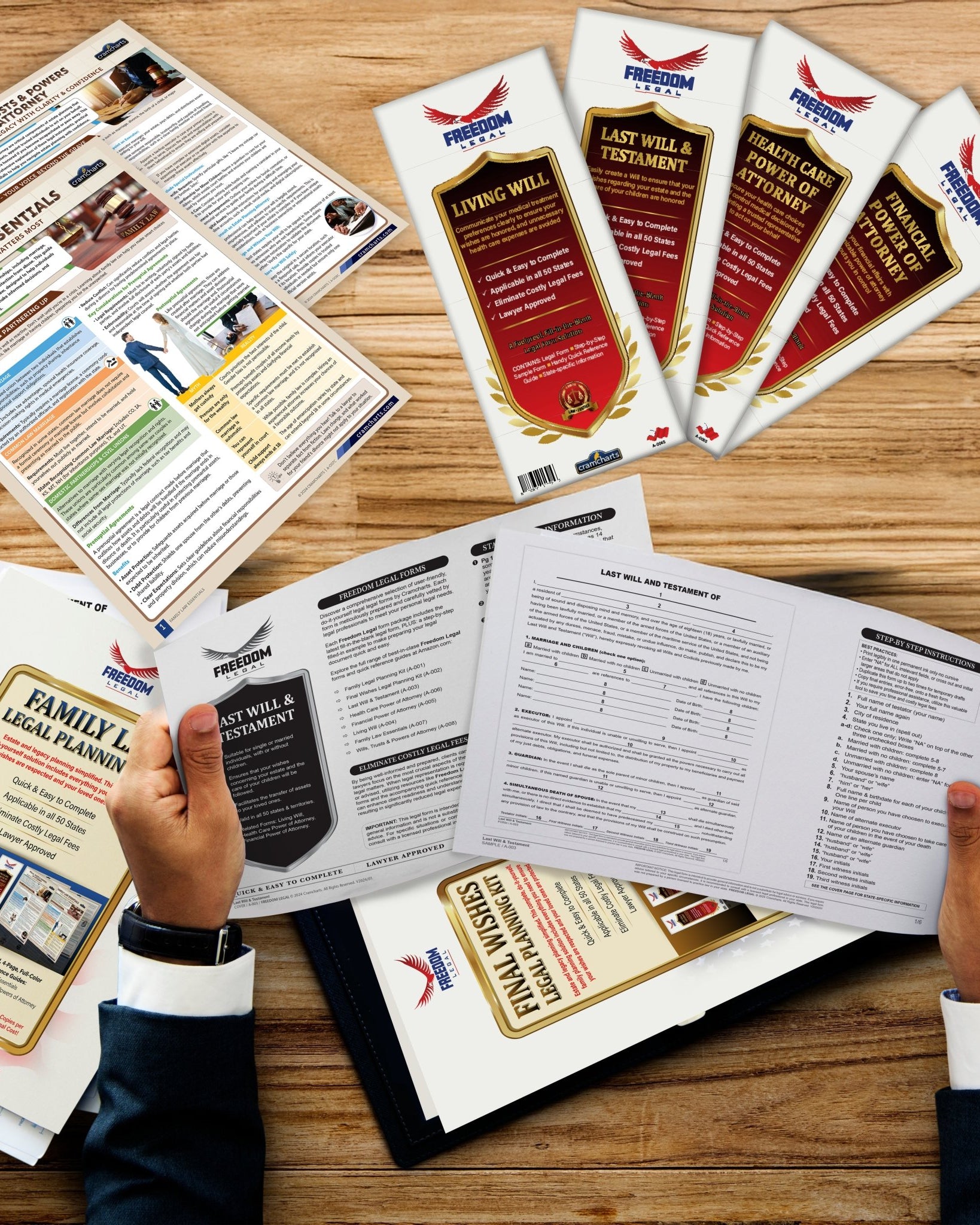
Each package includes:
1. Reference Guide
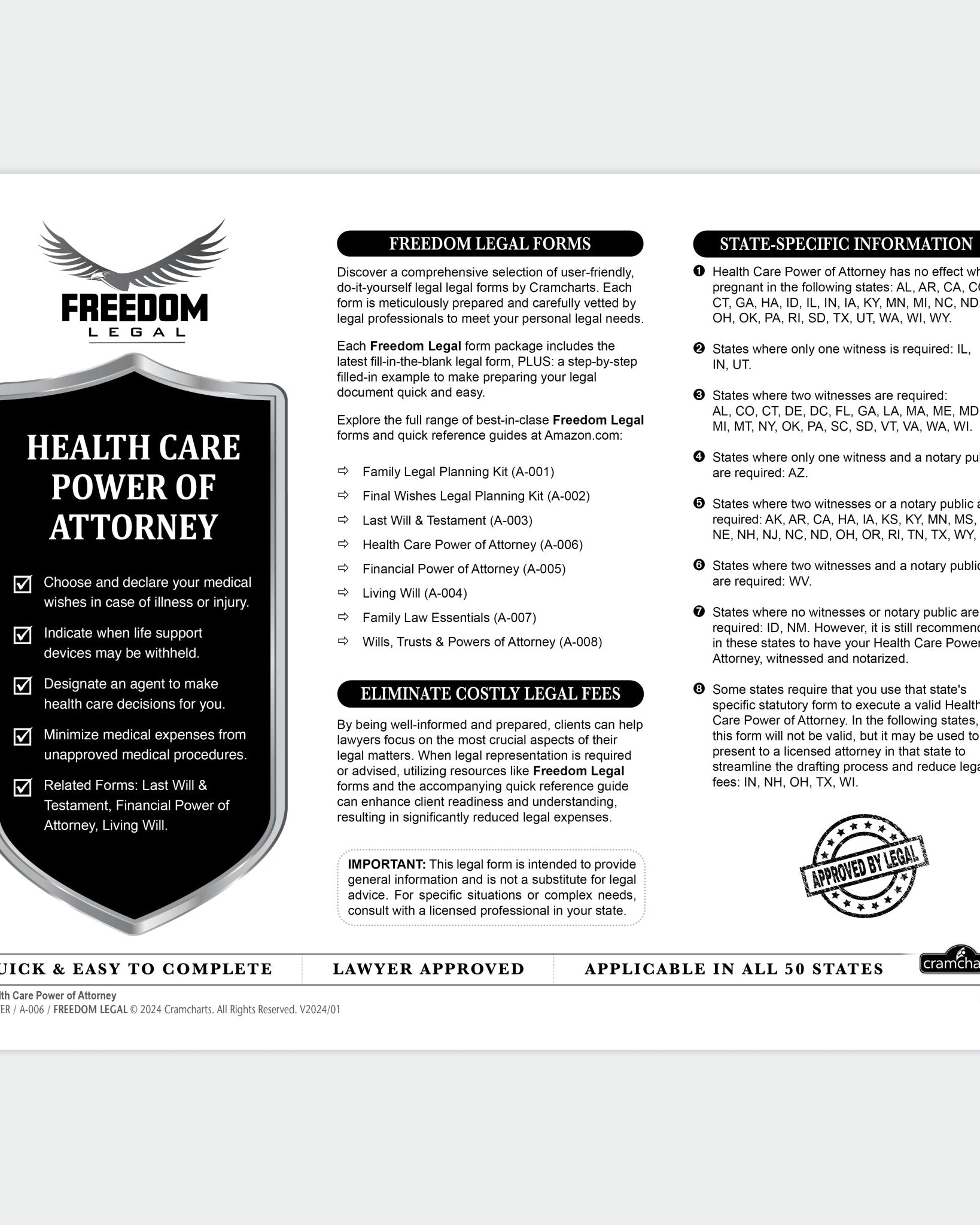
Helpful explanations and state-specific details.
2. Sample Form
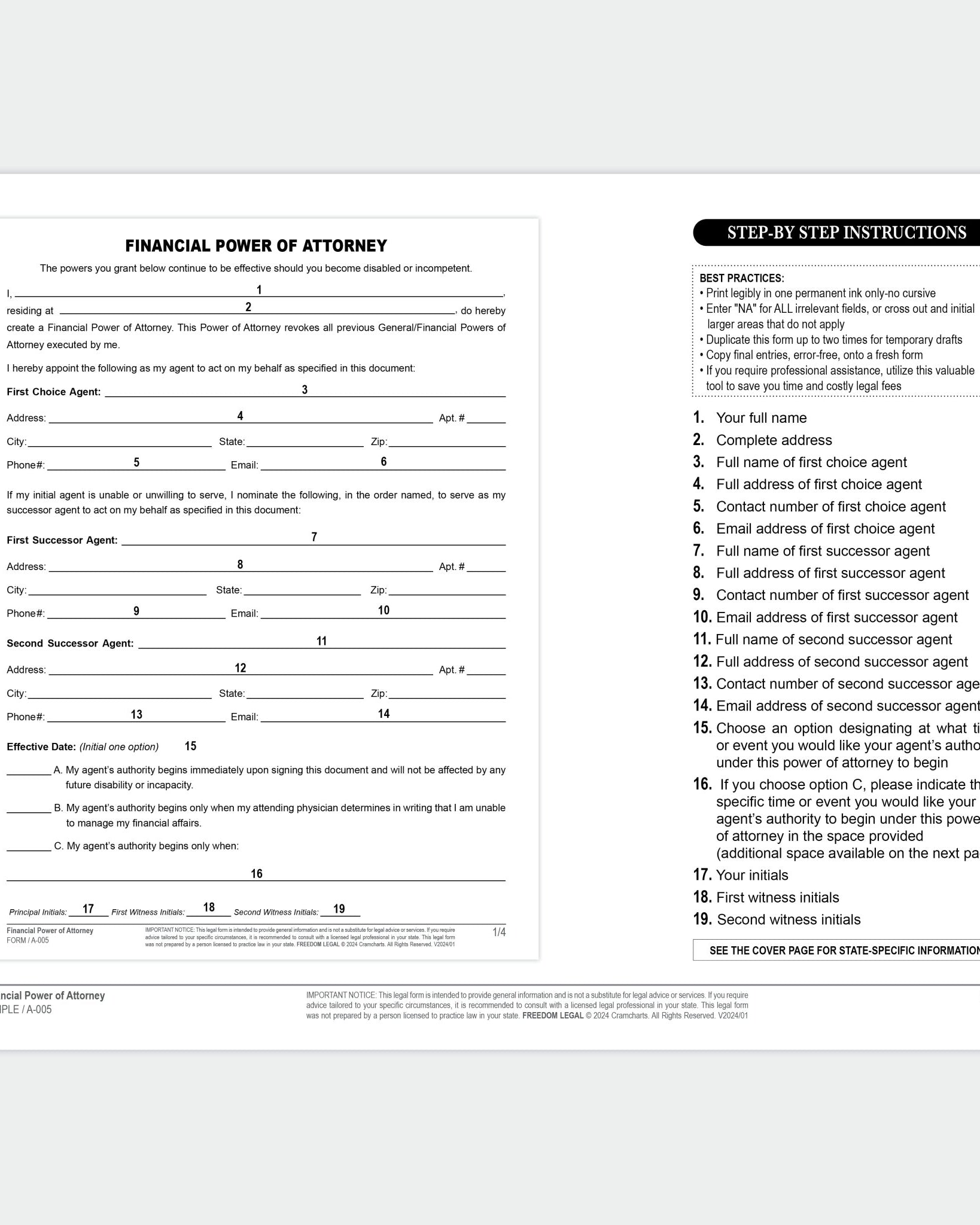
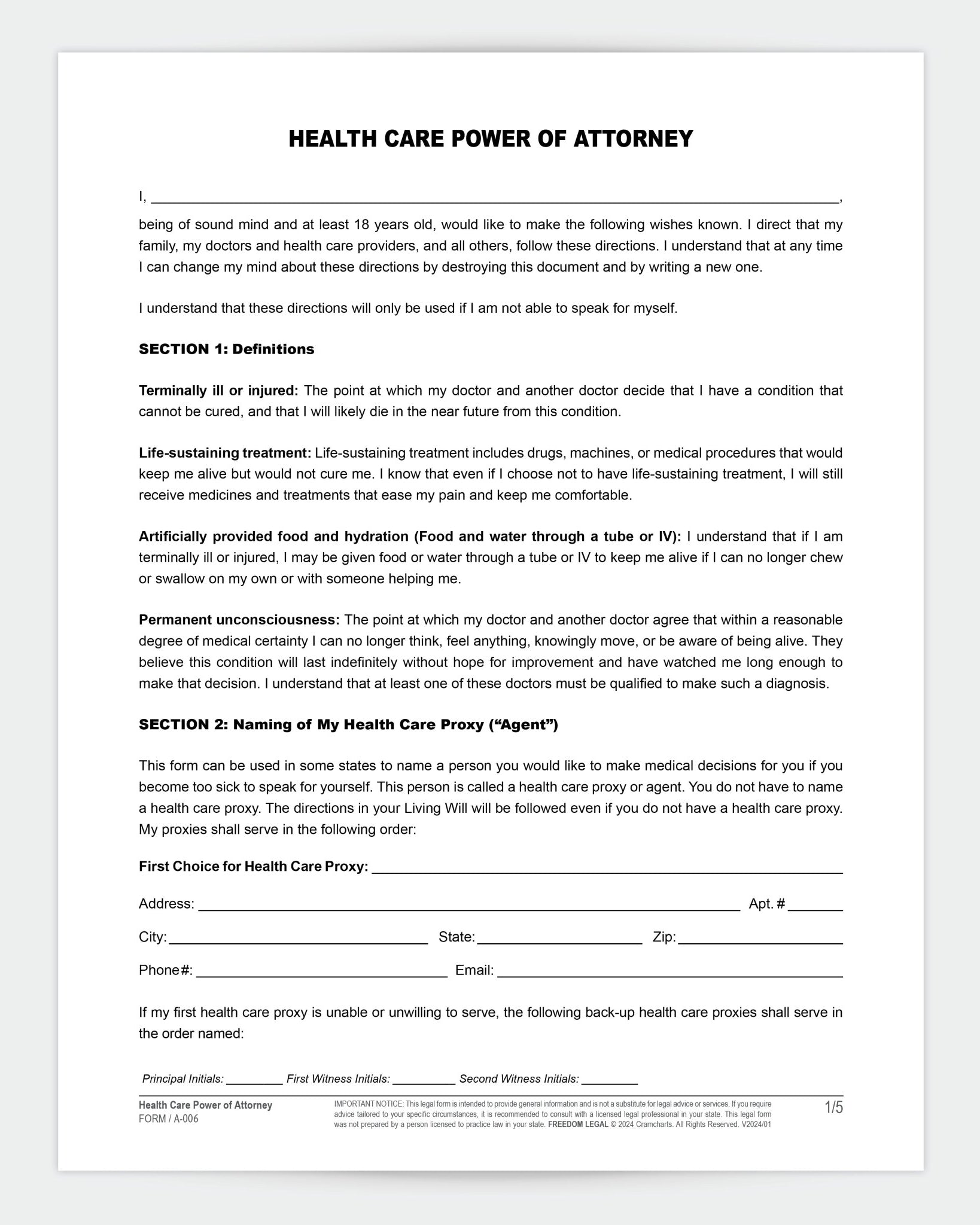
A completed example showing exactly how to fill out the document.
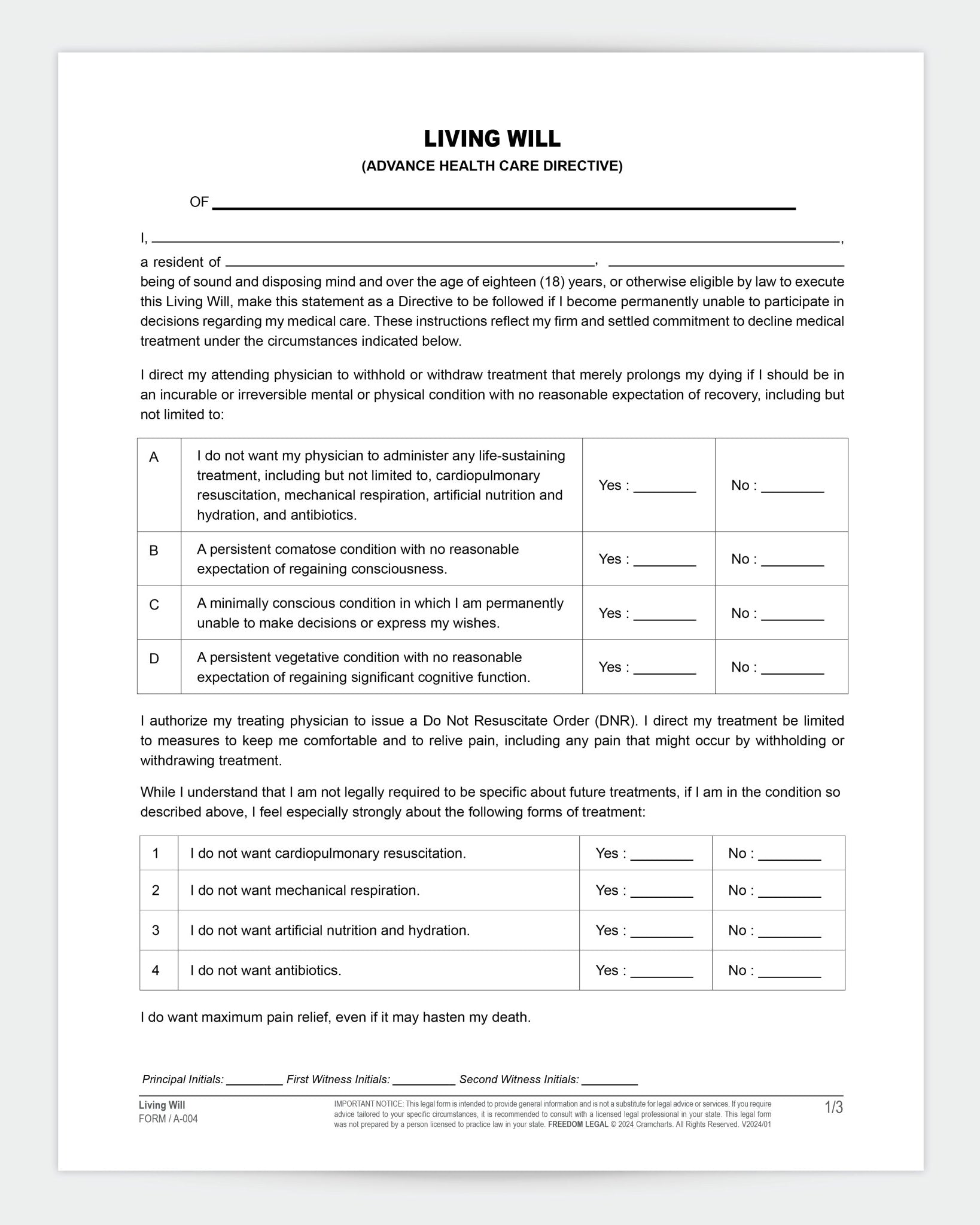
3. Blank Living Will Form
Your official DIY legal document.
Bonus Copies Included
Users can legally create additional practice copies before completing the final version.
This step-by-step process helps eliminate confusion and makes legal planning approachable for everyday families.
Who Should Have a Living Will?
The short answer: every adult.
A living will is especially important for:
- Married couples
- Parents with children
- Seniors
- Individuals with chronic illness
- Caregivers
- Military families
- People traveling frequently
- Young adults living independently
Medical emergencies can happen unexpectedly at any age.
Planning ahead protects both you and the people you care about most.
Tips for Completing Your Living Will
Talk With Your Family
Discuss your wishes openly so everyone understands your preferences.
Review State Requirements
Some states require witnesses or notarization.
Store Documents Safely
Keep copies accessible for trusted family members and healthcare providers.
Update When Needed
Review your living will after major life or health changes.
Why DIY Legal Forms Are Becoming More Popular
Today, many Americans prefer practical, affordable legal planning tools they can complete at home.
DIY legal forms help users:
- Save money
- Avoid unnecessary legal appointments
- Prepare documents faster
- Stay organized
- Reduce stress for loved ones
Cramcharts simplifies the process with clear instructions and professionally reviewed forms designed for real-world use.
Frequently Asked Questions (FAQ)
Is a living will legally valid in all states?
The Cramcharts living will kit USA is designed for use across all 50 states, though some states may have additional signing or witnessing requirements.
What is the difference between a living will and power of attorney?
A living will explains medical treatment wishes. A healthcare power of attorney appoints someone to make medical decisions on your behalf.
Can I complete a living will without a lawyer?
Yes. Many people use lawyer-reviewed DIY legal forms to prepare their documents before optional legal review.
When should I create a living will?
As soon as possible. Medical emergencies can happen unexpectedly at any age.
Does a living will cover financial decisions?
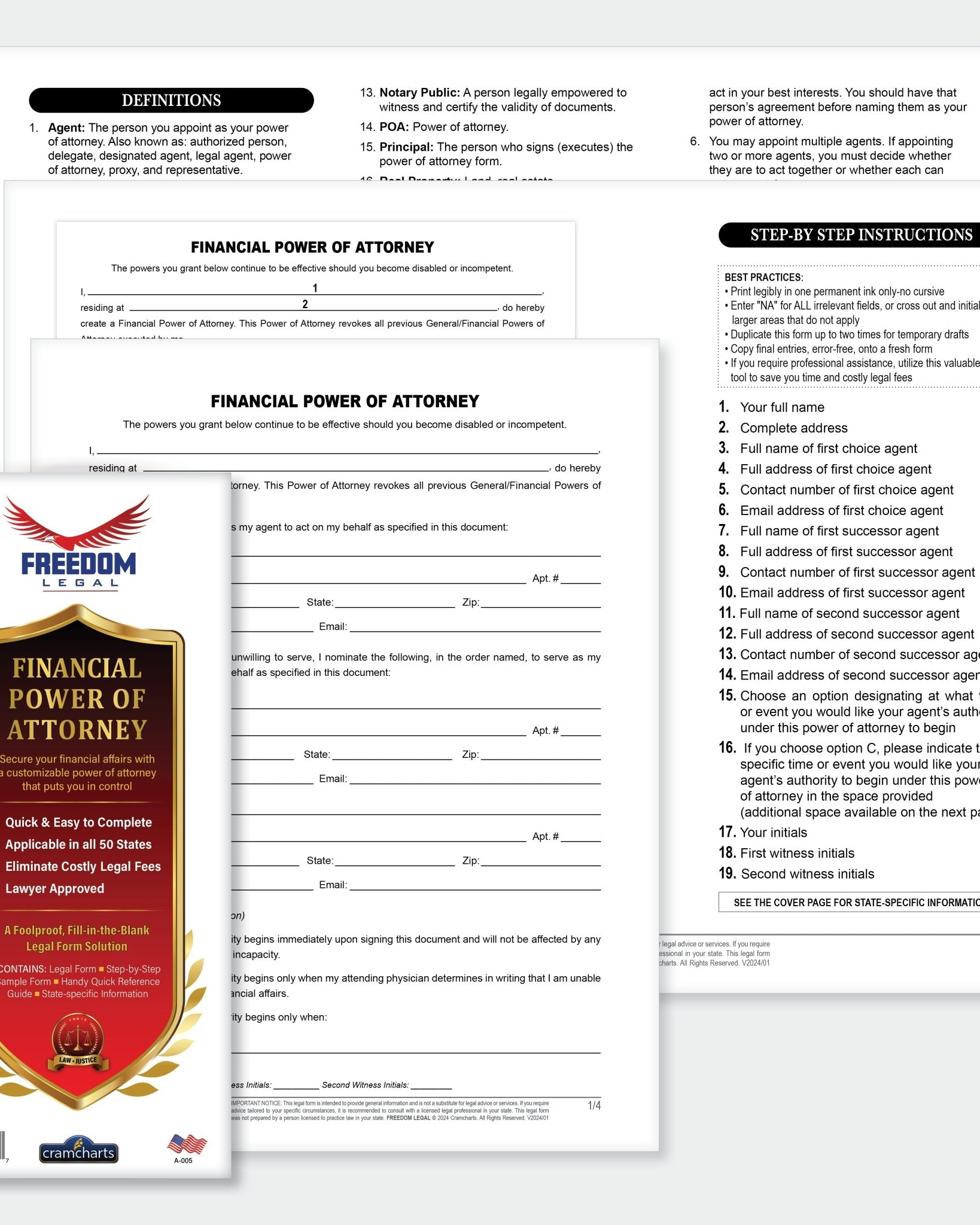
No. Financial matters are handled through separate legal documents like a financial power of attorney.
Final Thoughts
Not having a living will can create confusion, emotional stress, delayed decisions, and unwanted medical treatment during critical moments.
Preparing ahead gives you control, clarity, and peace of mind.
A trusted living will kit USA helps ensure your healthcare wishes are respected while reducing the burden on loved ones during difficult times.
Cramcharts makes the process simple, affordable, and easy to understand—so families can plan with confidence instead of uncertainty.
Key Takeaways
- A living will helps document your medical treatment preferences clearly.
- Without one, families may face emotional stress and difficult healthcare decisions.
- DIY legal forms simplify healthcare planning while saving time and money.
- Cramcharts offers lawyer-reviewed living will forms designed for all 50 states.